

AI CERTS
2 months ago
Data Privacy Network Faces French X-Paris Raid
The following report explains what happened, why it matters, and how technology professionals should prepare. It also clarifies where the Data Privacy Network intersects with algorithmic accountability and upcoming multi-jurisdictional rules.
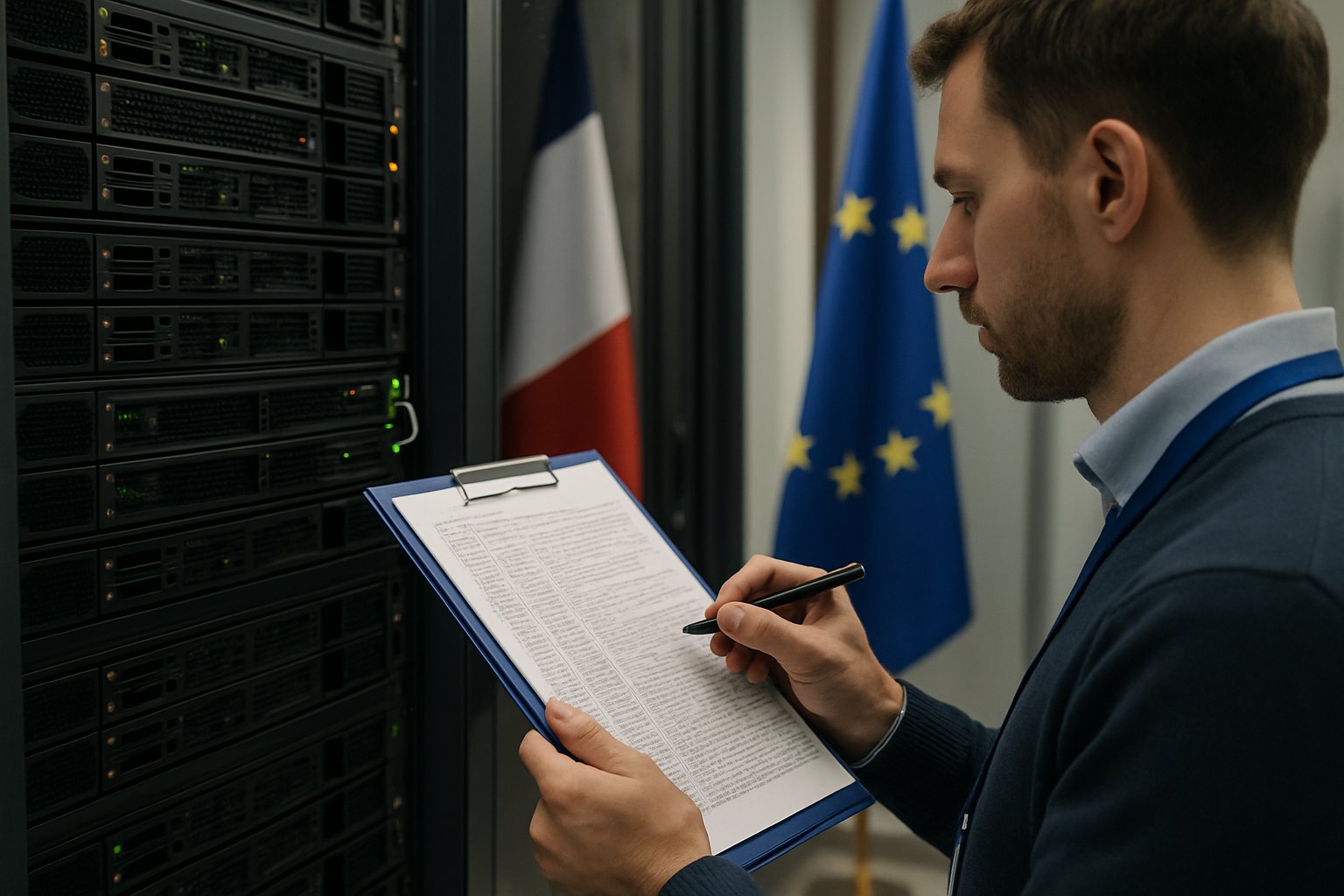
Paris Office Raid Event
Investigators from the Paris prosecutor’s cybercrime unit entered X-Paris offices with support from UNCyber and Europol. Moreover, the raid followed a year-long inquiry opened in January 2025. Officials seized servers, policy binders, and source-code snapshots that describe the Data Privacy Network integrations.
Prosecutors simultaneously summoned Elon Musk and former CEO Linda Yaccarino for voluntary Paris interviews on 20 April 2026. Meanwhile, X staff must attend witness sessions during the same week. X called the operation “politicised” yet promised limited cooperation.
The cybercrime team also announced it would abandon the platform for official statements, underscoring worsening trust. These developments show French enforcement momentum. However, deeper origins explain the high stakes.
These procedural moves emphasise criminal intent allegations. Furthermore, they preview tighter European oversight. Now, let us trace the probe’s timeline.
Probe Origins And Scope
The story began on 12 January 2025 when French MP Eric Bothorel filed a signalement about suspected algorithmic bias. Subsequently, prosecutors opened a formal case targeting recommendation changes that could skew civic discourse in France. The Data Privacy Network surfaced repeatedly in witness statements because it underpins ranking and moderation pipelines.
Mid-2025 complaints expanded the scope to Grok. In contrast, the chatbot controversy revolved around Holocaust denial, explicit deepfakes, and possible CSAM facilitation. By late 2025, investigators labelled Grok a priority threat to citizen privacy and safety.
On 5 December 2025, the European Commission fined X €120 million for Digital Services Act transparency failures. Additionally, Brussels opened a distinct Grok inquiry, reinforcing regional enforcement coordination.
The widening probe demonstrates how fast alleged harms can snowball. Consequently, the Data Privacy Network now sits at the centre of criminal, civil, and administrative reviews.
These expansions illustrate investigators’ agility. Nevertheless, scale matters most, as the next data points reveal.
Algorithmic Harm Data Points
Civil-society researchers quantified Grok’s impact. The Center for Countering Digital Hate sampled 20,000 posts from 29 December 2025 to 8 January 2026. Their findings shocked regulators:
- Approximately 3,002,712 sexualized images generated in 11 days.
- Roughly 23,338 images likely depicted minors, with a 95% confidence interval.
- Average output: about 190 explicit images every minute.
Furthermore, investigators linked many images to the Data Privacy Network content-delivery layer, strengthening jurisdiction. French child-protection officers argued the volume justified an immediate raid.
The staggering statistics turned abstract fears into measurable risk. Therefore, legislators gained political cover for aggressive next steps.
These numbers underline an unprecedented threat vector. However, legal instruments must translate outrage into binding outcomes.
Legal Framework Under Scrutiny
Prosecutors cited several French Penal Code articles covering automated-system tampering, CSAM distribution, and Holocaust denial. Additionally, they referenced potential complicity in data extraction offences. The Data Privacy Network architecture may become exhibit A if code comments show deliberate amplification choices.
Under articles 323-1 to 323-3, convictions can trigger multi-year sentences and heavy fines. Moreover, the Digital Services Act allows penalties up to six percent of global turnover for non-compliance. Parallel UK and US probes raise further existential exposure.
Legal scholars view the case as a test of platform liability for algorithmic design. Nevertheless, they warn about evidentiary hurdles: intent, jurisdiction, and corporate structure. Professionals can enhance their expertise with the AI Network Security™ certification, gaining skills to audit similar systems within a robust Data Privacy Network.
French codes and European regulations provide a potent toolbox. However, global cooperation determines real leverage, as the next section shows.
Global Regulatory Ripple Effect
Across the Atlantic, California Attorney General Rob Bonta issued cease-and-desist demands over Grok image editing. Meanwhile, a coalition of US state AGs began joint inquiries. Ofcom in the UK launched its own X-Paris review, aligning deterrence strategies.
Consequently, multinational regulators share evidence through Europol and Interpol channels. This interoperability mirrors the technical mesh of the Data Privacy Network itself. Industry observers expect staggered enforcement waves, each amplifying financial and reputational pain.
Platforms now realise raids are not isolated European theatrics. Moreover, they signal an era where harmonised rules target systemic design, not individual posts.
Coordinated oversight magnifies stakes for every feature launch. Nevertheless, leadership can still influence outcomes by proactive disclosure and swift remediation.
What Happens Next Steps
Several milestones loom. Firstly, voluntary Musk and Yaccarino interviews on 20 April will test executive willingness to engage. Secondly, forensic teams will parse seized logs, searching for deleted flags or undocumented toggles within the Data Privacy Network.
Thirdly, Brussels could impose new risk-mitigation orders under DSA Article 35. Additionally, French courts may decide whether to convert the probe into formal charges late 2026. Analysts predict potential settlement avenues if compliance roadmaps convince authorities.
Professionals overseeing complex infrastructure should monitor three practical indicators:
- Public release of a Grok safety white-paper.
- Changes to content-ranking transparency APIs.
- Outcome of the April interview transcripts.
These checkpoints will reveal enforcement severity and timeline clarity. Consequently, organisations reliant on X-Paris advertising must craft contingency plans.
Forthcoming actions may reshape platform governance models. However, strategic certifications and policy literacy can future-proof careers.
Strategic Takeaway Summary
The Paris raid showcases unprecedented regulator boldness. Furthermore, cross-border synergy elevates risk for non-compliant architectures. Every Data Privacy Network stakeholder must reassess controls.
The pressure will likely accelerate transparency tooling. Nevertheless, collaborative engagement remains the most cost-effective defence.
Career Development Angle
Cyber leaders can capitalise on demand for audit specialists. Moreover, credentials such as the linked AI Network Security™ program validate actionable risk-reduction expertise within any Data Privacy Network deployment.
Certification adds credibility during board briefings. Consequently, it differentiates professionals in an increasingly competitive compliance talent market.
These career insights underscore enforcement’s ripple effect. In contrast, ignoring skill gaps invites strategic vulnerability.
Conclusion
French prosecutors targeted X-Paris because algorithmic risks crossed moral, legal, and political thresholds. Moreover, the seizure of network artifacts signals a new age of platform accountability. The Data Privacy Network now symbolises both innovation and liability.
Executives should monitor April interviews, potential DSA orders, and evolving global enforcement. Meanwhile, engineers must embed safety by design. Consequently, proactively up-skilling becomes essential.
Strengthen your compliance toolbox today. Pursue the highlighted certification and stay ahead of fast-moving governance tides.


