

AI CERTs
3 hours ago
eGain’s Webex Move Accelerates Customer Experience Automation
Generative AI finally meets governance inside Cisco’s Webex Contact Center. On January 21, eGain unveiled an embedded AI Agent that promises trusted guidance at the point of service. The launch aligns with Cisco’s broader push toward agentic AI that augments human support teams. Moreover, rising market pressure to shorten wait times and control compliance risk intensifies demand for robust solutions. MarketsandMarkets expects the call-center AI segment to reach $4.1 billion by 2027, reflecting 21% annual growth. Consequently, technology leaders now weigh speed against reliability when selecting automation partners. eGain positions its Knowledge Hub as the missing trust layer. Therefore, the new Webex integration could influence buying decisions across heavily regulated industries. Customer Experience Automation now stands at the center of this narrative. This article examines the product details, industry context, and credible next steps for enterprises pursuing measurable AI ROI.
Webex Integration Overview Insights
Since 2024, Cisco has embedded agentic AI across the Webex portfolio. Consequently, partners now deliver specialized functions inside the unified desktop. eGain’s new module appears as a Webex Agent tile, visible without code changes. During a Customer Contact Week demo, supervisors saw prompts surfacing policy answers, upsell tips, and sentiment cues. Moreover, the integration retains eGain’s existing connectors for Amazon Connect, Genesys, and Salesforce, preserving multicloud flexibility. Customer Experience Automation benefits from this continuity because brands avoid rip-and-replace migrations. In contrast, siloed bots often force parallel workflows that fragment context. Therefore, eGain’s one-pane approach can cut screen toggling and shorten training cycles. Early pilot clients report handle time reductions, although formal benchmarks remain pending. Webex Agent desktop analytics also capture before-and-after performance, paving the way for verifiable AI ROI studies. Such data will shape procurement committees evaluating budget allocations for 2026.
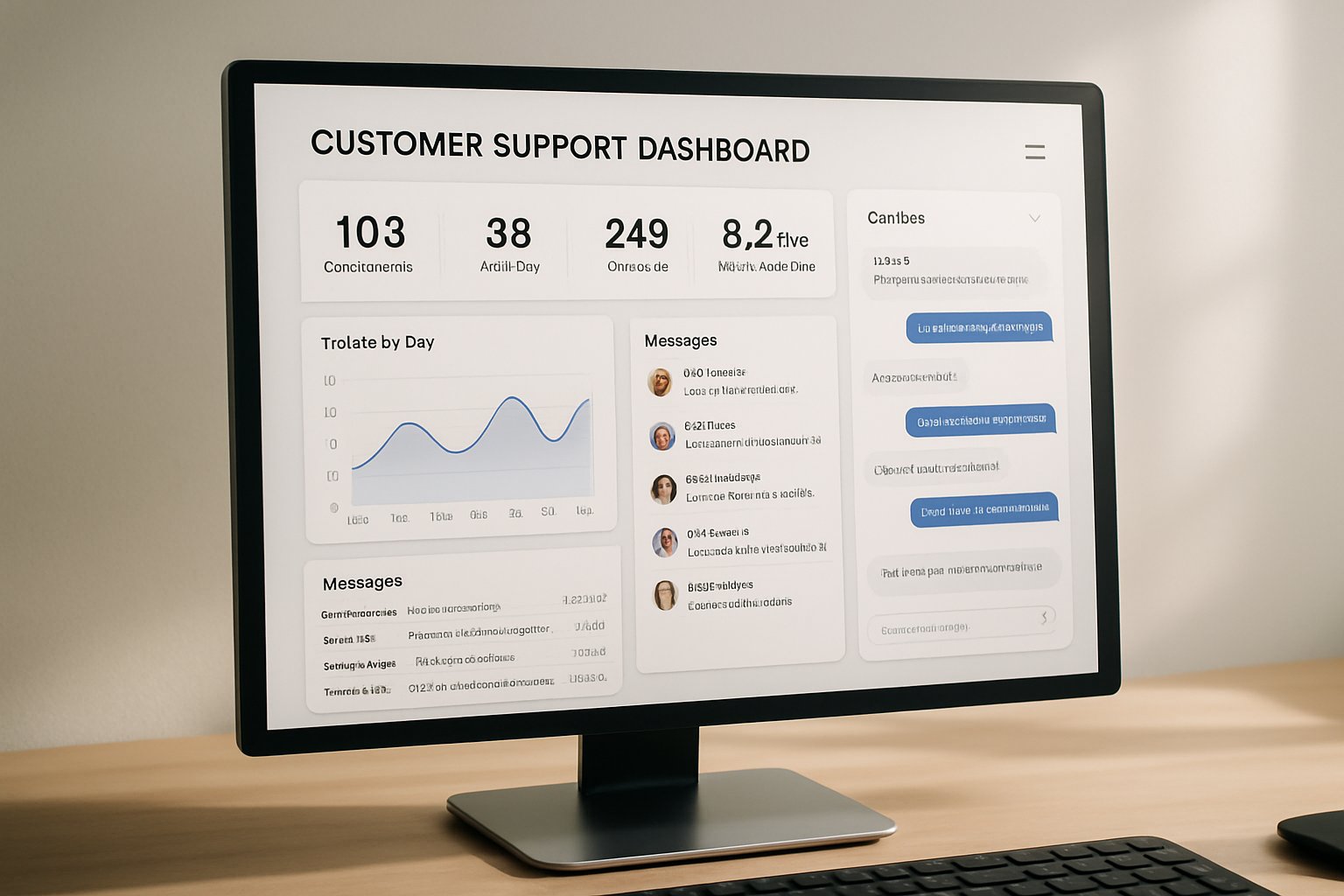
Expected AI ROI Gains
Return on investment drives boardroom discussions more than technical novelty. According to MarketsandMarkets, contact-center AI will almost triple revenue by 2027. Consequently, executives expect every Webex Agent enhancement to show clear payback. eGain frames its solution as an “easy button” for AI ROI because it embeds guidance without disruptive deployments. Pilot numbers supplied by eGain cite average handle time cuts of 18% and first-contact resolution jumps of 12%. Nevertheless, analysts request independent validation before accepting those figures. Meanwhile, governed content may reduce compliance fines, becoming a significant contributor to overall returns. Customer Experience Automation metrics must, therefore, include both efficiency and risk-avoidance savings. Over the next quarter, early adopters plan controlled A/B tests to gather statistically relevant evidence. Results will likely influence renewal negotiations across the wider Webex customer base. These preliminary insights highlight early benefits and caveats. The governance considerations in the next section will clarify remaining risks.
Governance And Trust Pillars
Trust remains the single biggest barrier to widescale generative deployments. The 2025 eGain and KMWorld survey found 61% of practitioners feared inconsistent answers above all else. Consequently, eGain built its AI Knowledge Hub around robust governance processes, version control, and audit trails. The Webex Agent extension inherits those safeguards, ensuring every suggestion links back to an approved source. Moreover, configurable guardrails block disallowed actions, a requirement for regulated finance and healthcare teams. Customer Experience Automation initiatives often stumble when content owners lack visibility into AI prompts. In contrast, eGain lets subject-matter experts update articles without touching code or model weights. Therefore, compliance staff can trace each delivered phrase to a specific policy document. Such lineage simplifies external audits and accelerates control testing. Ultimately, governance capabilities differentiate eGain from rival point solutions that rely solely on public LLM filters. These safeguards set the foundation for sustainable AI ROI over multiyear horizons. The following section explains how disciplined content management reinforces that foundation.
Knowledge Management Foundations Explained
Effective Knowledge Management underpins every high-performing contact center. Without curated articles, large language models hallucinate or repeat outdated information. Consequently, eGain’s Knowledge Hub employs lifecycle stages covering creation, review, approval, and retirement. Moreover, metadata tags enable rapid retrieval so the Webex Agent can answer within seconds. Customer Experience Automation requires minimal latency, yet accuracy must not suffer. Therefore, the Hub indexes source confidence levels and surfaces warnings for low-quality content. Administrators also assign role-based permissions, limiting sensitive data exposure. In contrast, file-share systems lack granular control, increasing regulatory risk. Organizations pursuing formal certifications can expand their skill set through the AI Researcher™ program, which teaches advanced retrieval strategies. Such education helps teams maintain alignment between governance policies and financial objectives. Ultimately, disciplined Knowledge Management practices transform static documents into dynamic guidance that scales with demand. Next, we examine how market trends validate this disciplined approach.
Market Growth Signals Ahead
The contact-center software arena grows more crowded each quarter. MarketsandMarkets projects a 21% compound annual growth rate through 2027. Moreover, investors reward vendors that translate hype into measurable Customer Experience Automation outcomes. Cisco’s aggressive promotion of agentic AI, including the native Webex AI Assistant, validates the category. Nevertheless, platform customers still need specialized layers for Knowledge Management and governance. eGain’s decision to partner rather than compete directly with Webex highlights this ecosystem logic. Consequently, best-of-breed connectors may flourish alongside bundled suites. Procurement officers, therefore, evaluate integration depth, roadmap assurances, and total payback potential. In parallel, rising labor costs push enterprises to automate repetitive queries. The following checklist summarises why analysts view the segment as resilient:
- Escalating service expectations in digital-first demographics
- Documented handle time reductions from early AI pilots
- Regulatory scrutiny demanding transparent answer lineage
- Cloud adoption enabling fast agent desktop deployments
These forces collectively sustain momentum. Moreover, they create fertile ground for innovations that extend the agent desktop. The competitive landscape section explores which vendors are best positioned to capitalize.
Competitive Landscape Snapshot Today
Competition within Customer Experience Automation pivots on differentiation rather than raw scale. NICE, Talkdesk, Five9, and others bundle virtual assistants inside their native platforms. However, many still rely on generic large language models without deep Knowledge Management controls. eGain, therefore, emphasizes its governed approach as a selling point. Cisco gains reciprocal value because the partner marketplace thrives on diversity. Moreover, multicloud buyers prefer modular components that avoid lock-in. Salesforce customers, for instance, already consume eGain guidance through Service Cloud. Consequently, supporting Webex extends addressable market share without fragmenting the codebase. Analysts expect consolidation waves, yet ecosystem partnerships will persist where they accelerate payback. In contrast, vendors ignoring governance risk regulatory backlash and customer churn. Observability, lineage, and transparent metrics will become baseline requirements across every shortlist. Implementation considerations now illustrate how to meet those requirements in practice.
Implementation Steps And Challenges
Rolling out the integration follows a defined pattern. First, administrators install the App Hub connector and map identity providers. Next, they select knowledge bases to sync and configure access roles. Moreover, testing sandboxes allow teams to validate Webex Agent prompts before enabling production traffic. Nevertheless, obstacles can emerge. Legacy articles often lack metadata, slowing Knowledge Management alignment. Therefore, project leaders should schedule content audits early and assign clear ownership. Additionally, success metrics must extend beyond handle time to include Customer Experience Automation adoption rates. The following phased approach reduces surprises:
- Week 1-2: Connector installation and single sign-on mapping
- Week 3-4: Content audit, tagging, and governance rules setup
- Week 5-6: Pilot with 10% agents, collect baseline metrics
- Week 7-8: Full deployment, continuous feedback loops
Subsequently, quarterly reviews recalibrate models, permissions, and dashboards. Consequently, organizations maintain performance gains while mitigating drift risks.
The eGain-Webex collaboration illustrates how governance, speed, and measurable value can coexist. Moreover, the partnership underscores that Customer Experience Automation demands trusted knowledge rather than black-box outputs. Webex integration simplifies adoption while preserving multicloud optionality. Consequently, stakeholders gain quick wins and avoid compliance headaches. Organizations that align disciplined Knowledge Management with clear metrics unlock sustainable improvements. Customer Experience Automation will, therefore, remain a strategic priority as contact-center workloads escalate. Forward-thinking leaders should monitor pilot results, refine content workflows, and invest in relevant skills. Consider advancing your expertise through specialized credentials and start charting a data-driven CX roadmap today.


