

AI CERTS
4 months ago
Anthropic Cowork: The Next Enterprise AI Product Revolution
Meanwhile, investors framed the rollout as evidence of sustained productization across the Claude family. The research preview allows Claude Max subscribers to let the agent read, reorganize, and create local files. Furthermore, the company open sourced eleven starter plugins only weeks later. Those additions extend Cowork’s reach into sales, finance, legal, and biology workflows. Therefore, the launch sequence signals a deeper strategic shift for the fast-growing lab. This article dissects the milestones, architecture, business impact, and upskilling paths behind Anthropic’s latest AI Product initiative.
Cowork Launch Signals Shift
On 12 January 2026, Anthropic announced Cowork as a research preview for macOS desktop users. In contrast, earlier releases like Claude Code targeted programmers alone. Consequently, the new agent widens Claude’s audience to analysts, marketers, and project managers.
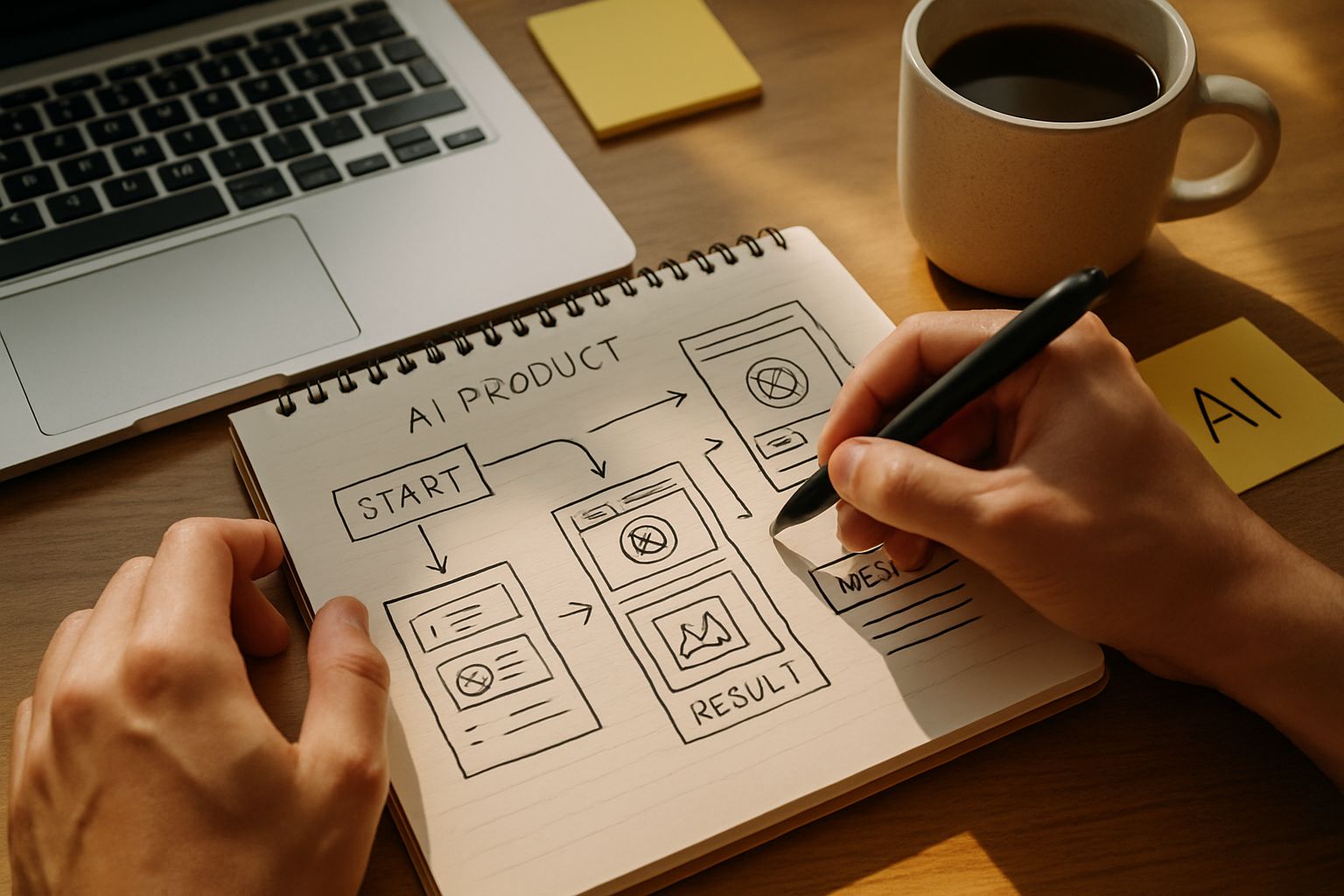
The company positions Cowork as the next flagship AI Product in its growing agent lineup. Cowork can read a user-designated folder, execute multi-step plans, and then return polished deliverables. Moreover, permission prompts and sandboxing aim to limit accidental damage or malicious manipulation. Anthropic claims internal testing cut permission fatigue by 84% compared with older agent prototypes.
Early adopters describe the experience as working beside a tireless colleague rather than chatting with a static AI Product. In Fortune interviews, startup founders warned the move might undercut specialised automation vendors. Nevertheless, they acknowledged the momentum could force partnerships or deeper vertical focus.
These launch details confirm Anthropic’s enterprise ambitions. However, broader architectural choices reveal how the agent actually works.
Agentic Architecture Powers Cowork
Cowork builds on the Claude Agent SDK, the Model Context Protocol, and Claude Code sandboxing. Therefore, the system can plan, call connectors, and iterate without constant human nudges. Plugins bundle skills, slash commands, and sub-agents into one portable Tool set.
Additionally, MCP connectors expose calendars, CRMs, or data warehouses while enforcing scoped credentials. In contrast, previous chat interfaces relied on manual copy-paste loops. The difference feels substantial when an AI Product autonomously assembles an expense spreadsheet from mixed receipts.
Developers inside Anthropic frame the architecture as the foundation for every future AI Product extension. Safety layers still matter. Moreover, filesystem sandboxing blocks dangerous commands unless users grant temporary privileges. Anthropic engineers report an 84% reduction in prompts during internal trials. Consequently, workers stay in flow rather than approving every minor Tool action.
This architecture illustrates why Cowork feels proactive. Subsequently, its value depends on measurable business outcomes.
Enterprise Value And Risks
Enterprises drive roughly 80% of Anthropic revenue, according to Series F disclosures. Therefore, Cowork targets measurable productivity gains rather than consumer novelty. Reported run-rate revenue exceeded five billion dollars by late 2025, fueled by large accounts.
Analysts highlight three primary benefits:
- Time savings from autonomous document preparation and file organisation.
- Process consistency via plugins that encode departmental checklists.
- Lower context switching through direct Tool calls inside the agent.
However, prompt injection remains the dominant concern. Malicious commands could trick the agent into deleting or leaking critical assets. Consequently, security teams favour scoped directories, audit logs, and staged permission prompts.
Anthropic admits the challenge is unresolved yet believes transparent safeguards will build trust over time. Choosing the right AI Product ruleset and folder scope therefore becomes an early governance task.
These benefits and risks create a delicate balance. Nevertheless, plugin strategy addresses adoption friction directly.
Plugin Strategy Accelerates Adoption
On 30 January, Anthropic released eleven open-source starter plugins to fast-track enterprise pilots. Moreover, each plugin packages API keys, prompts, and sub-agents into a shareable folder. Teams can clone the repository, tweak YAML, and activate features without writing a single Tool wrapper.
Matt Piccolella explained that the move brings a user-friendly flavour to agent capabilities. Consequently, nontechnical staff can prototype a sales lead finder in under one afternoon. The plugin approach effectively converts Cowork into a platform rather than a point solution.
Every successful plugin reinforces the underlying AI Product business case by demonstrating repeatable value. In contrast, traditional SaaS vendors require longer procurement and integration cycles.
The plugin model lowers deployment barriers and showcases tangible ROI. Subsequently, competitors must respond quickly.
Competitive Landscape And Outlook
OpenAI, Google, and Microsoft are racing to inject agent features into their flagship suites. Nevertheless, Anthropic holds a valuation of 183 billion dollars and a war chest from the Series F. Smaller startups now face pressure to specialise deeply or integrate with dominant labs.
Analysts predict a consolidation wave across horizontal automation categories. Therefore, vertical expertise, proprietary data, and trust certificates may decide who survives. Nevertheless, regulatory scrutiny of agent safety could slow market penetration.
For buyers, the outlook depends on transparent roadmaps and objective evaluations of each AI Product alternative. Consequently, proofs of concept will dominate 2026 budgets.
Competitive dynamics remain fluid as giants escalate investment. Meanwhile, professionals need skills to manage emerging platforms.
Skills And Certification Pathways
Enterprises will soon demand managers who can translate business goals into structured agent workflows. Therefore, upskilling becomes a short-term imperative. Professionals can validate expertise through the AI Product Manager™ certification.
Additionally, fluency in the Claude Agent SDK, YAML plugin manifests, and MCP connectors will differentiate candidates. In contrast, traditional project management alone may prove insufficient. Consequently, forward-thinking leaders are weaving training budgets into agent pilot phases.
Credentialed talent accelerates safe deployment and governance. Therefore, conclusion insights highlight next actions.
Anthropic’s Cowork demonstrates how agentic design converts raw language models into practical desktop collaborators. The rollout, combined with open plugins, underscores a pragmatic revenue strategy. However, security concerns and governance gaps require careful scoping and oversight. Nevertheless, early metrics indicate substantial productivity gains when workflows are encoded as plugins. Therefore, organisations should pilot the agent, measure impact, and develop internal guidelines. Readers wishing to lead those efforts should explore the linked certification and deepen their MCP skills. Act today and secure your role in shaping the next generation of AI innovation.
Disclaimer: Some content may be AI-generated or assisted and is provided ‘as is’ for informational purposes only, without warranties of accuracy or completeness, and does not imply endorsement or affiliation.


