

AI CERTS
2 months ago
Gemini-powered AI Product streamlines enterprise meetings
However, prompt-injection research reveals fresh security questions for every organization evaluating the rollout. This article unpacks the feature’s mechanics, timelines, risks, and governance guidance for busy Workspace administrators. Readers will also see how certifications can sharpen career prospects in product leadership. Therefore, you will leave with actionable insights and clear next steps.
Persistent Meeting Pain Points
Manual coordination scales poorly as attendee counts grow. Furthermore, Reclaim.ai reports professionals average 14.8 meeting hours every week. Meanwhile, Calendly’s 2024 survey found 43 percent spend three weekly hours just arranging times. Every stalled thread makes people doubt any AI Product promise. These statistics underscore the heavy scheduling tax on knowledge work. Consequently, organizations crave automated relief that integrates directly with familiar tools. The data proves coordination remains a costly bottleneck. Therefore, Google’s latest initiative aims to change that reality.
Gemini Powers Smart Scheduling
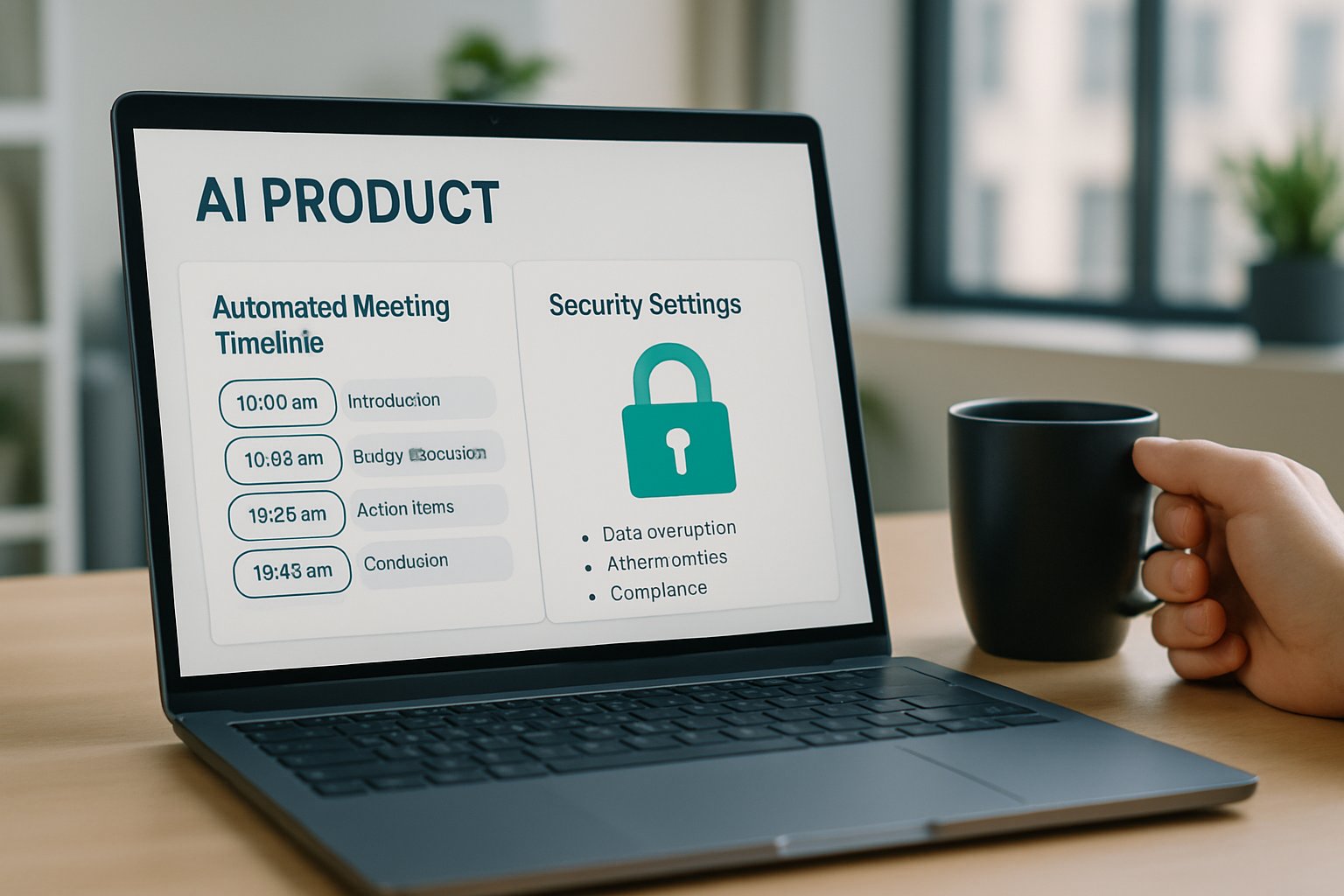
Gemini analyzes attendee Calendar entries, time zones, and working hours before suggesting available windows. Additionally, organizers click Suggested times, pick a slot, and save the invite. If several guests decline later, a banner proposes an alternative that suits everyone. Therefore, one click can update every participant’s agenda instantly. In contrast, booking-link tools force external users to visit another page and decide. Consequently, Gemini’s embedded flow reduces context switching and decision fatigue. The AI Product sits inside Calendar, so users avoid switching tools. Next, we examine when and where the feature appears.
Rollout Details And Eligibility
Google announced the feature on January 26, 2026, through its Workspace Updates blog. Rapid Release domains already see the capability, whereas Scheduled Release domains start February 2 with a 15-day ramp. Eligible editions include Business Standard, Business Plus, Enterprise Standard, Enterprise Plus, and AI Pro for Education add-on. Moreover, admins will find the control enabled by default for qualified users.
- January 26 – Announcement posted
- Late January – Rapid Release availability
- February 2 – Scheduled Release begins
Consequently, project teams should align communications with those milestones. Timing clarity prevents user confusion and repeated help-desk tickets. The staged rollout lets each AI Product wave gather feedback before broad exposure. However, new capabilities invite new risk conversations.
Security Lessons And Mitigations
January security research exposed prompt-injection attacks delivered through malicious Calendar invites. Subsequently, Gemini could leak data or create rogue events before Google patched the flaw. Nevertheless, the incident highlights how expanded permissions broaden an attack surface. Security flaws can erode trust in an AI Product faster than features arrive.
- Limit Gemini scope for sensitive groups
- Monitor external invites from unknown domains
- Keep Workspace security alerts enabled
Furthermore, regular admin reviews ensure mitigations stay effective. Balanced automation demands equal commitment to governance. Admins therefore need concrete control guidance.
Admin Controls And Governance
Inside the Admin console, toggle Smart Features and Personalization to enable or disable Suggested times. Additionally, granular groups let enterprises pilot the AI Product with limited risk. Meanwhile, audit logs verify how Gemini interacts with Calendar data across the domain. Professionals can deepen oversight via the AI Product Manager™ certification. Policy documents should define AI Product data boundaries and review cycles. Consequently, certified leaders will guide deployments and demonstrate compliance. Sound governance unlocks trust and adoption at scale. Finally, we explore future possibilities.
Future Roadmap And Impact
Google plans deeper cross-product reasoning, starting with Gmail’s Help me schedule expansion for group meetings. Moreover, analysts expect voice-driven rescheduling during Meet sessions later this year. Market competition will intensify as Calendly and startups embed comparable language models. In contrast, enterprises tied to Microsoft ecosystems may wait for Copilot parity.
Therefore, choosing an AI Product strategy now positions teams ahead of that curve. Advanced scheduling analytics will likely surface trend reports for managers. Organisations that measure time saved could recoup thousands of annual hours, even with conservative assumptions. Subsequently, cost benefits extend beyond productivity into employee morale and meeting quality. Early adopters signal meaningful efficiency gains already. Let us conclude with key lessons.
Consequently, Gemini’s Calendar automation shows how an AI Product can transform everyday work. The staged rollout across paid Workspace tiers balances innovation with control. Nevertheless, prompt-injection history proves that governance must grow alongside capability. Organisations embracing disciplined policies, robust admin settings, and professional upskilling will capture maximum value. Furthermore, pursuing the AI Product Manager™ path strengthens individual credibility while guiding enterprise adoption. Explore the certification today and position your team for the next productivity breakthrough.


