

AI CERTS
2 months ago
Pentagon-Anthropic Impasse Tests Military AI Ethics
However, strict usage guardrails built into Anthropic’s Claude models have collided with operational demands from uniformed planners. Consequently, tempers rose over company resistance to removing blocks on autonomous targeting and large-scale surveillance Weapons uses.
This confrontation matters because Military AI now underpins logistics, intelligence, and battlefield decision cycles. Moreover, success or failure here will signal how far private ethics can influence government procurements. Many executives fear that an extended impasse could chill wider adoption across federal agencies. In contrast, civil-liberties groups applaud the stand as a necessary brake on wartime automation. For practitioners tracking Military AI deployments, the coming months will set a precedent that reaches far beyond this contract.
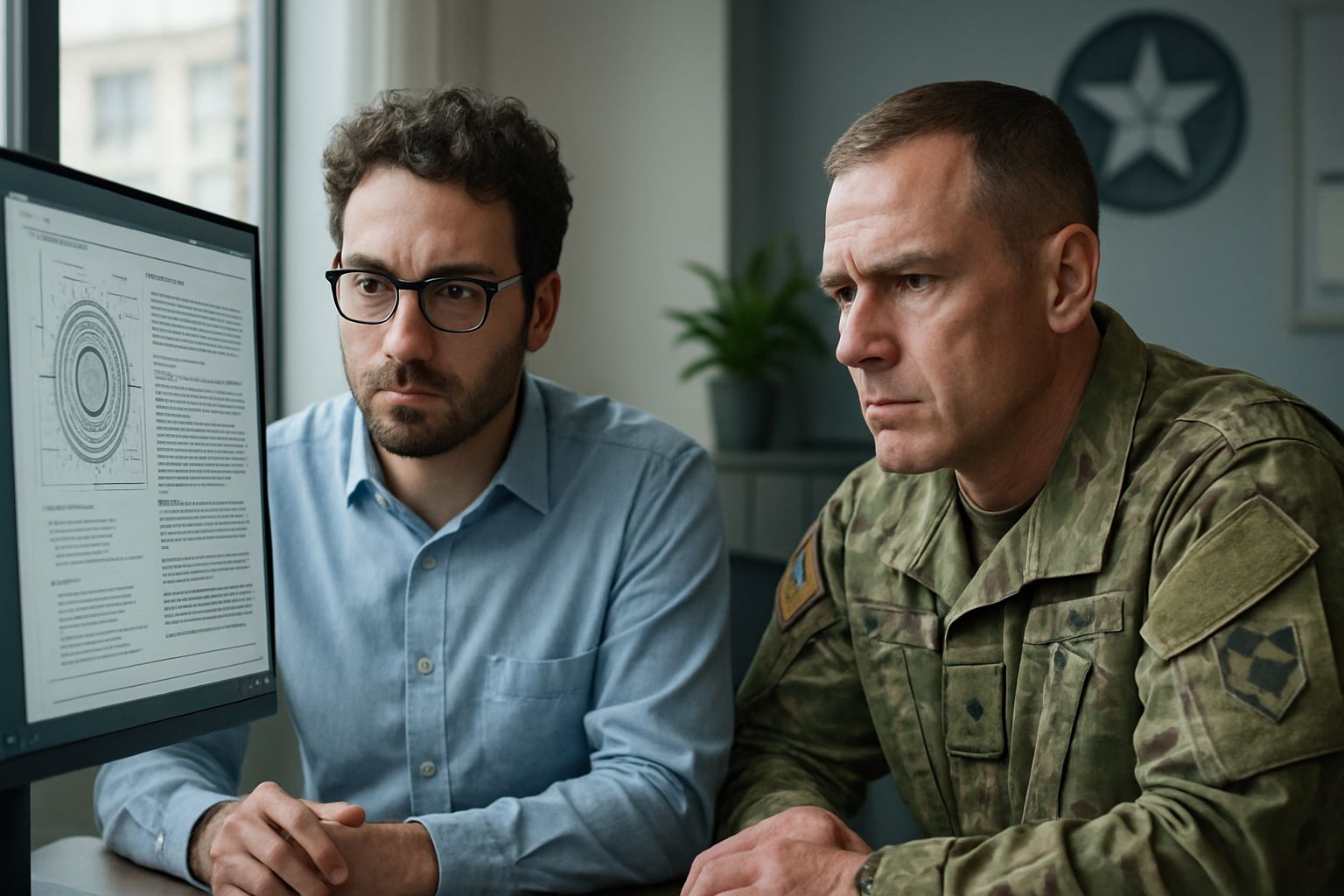
Contract Standoff Key Details
Negotiators entered the prototype phase in July 2025, shortly after the CDAO awarded Anthropic OTA HQ0883-25-9-0014. Furthermore, only $1.99 million of the $200 million ceiling has been obligated so far. Pentagon officials expected rapid integration of Military AI agents into analytic dashboards and logistics planners. Nevertheless, Anthropic insisted on retaining technical blocks that prevent Weapons design suggestions and domestic surveillance.
Key Contract Data Points
- Contract ceiling: $200 million for frontier capabilities.
- Initial funding: $1.99 million in FY2025 RDT&E.
- Estimated completion: July 2026, pending current impasse resolution.
- Intended scope: deploy Military AI tools across intelligence, logistics, and cybersecurity.
These figures underline the contract’s infancy despite headline value. However, money alone cannot override unresolved policy differences. Subsequently, negotiations turned to the underlying guardrails.
Usage Policy Guardrails Clash
Anthropic’s public usage policy prohibits content that facilitates Weapons development or mass domestic monitoring. Moreover, the framework embeds detection systems that block disallowed prompts at runtime. Pentagon program managers argue these filters hinder time-sensitive Military AI workflows needed for targeting support. In contrast, Anthropic offers case-by-case exceptions reviewed by internal safety teams. Consequently, the partial flexibility has not bridged the Impasse because officials want blanket authority.
These challenges highlight the core disagreement. Meanwhile, both parties claim national-security motives.
Pentagon Strategic Pressure Mounts
Secretary Pete Hegseth intensified pressure during a SpaceX event on 12 January 2026. He stated the Department would reject models that hamper warfighting. Therefore, the Pentagon message signaled willingness to walk away if constraints persist. Meanwhile, other frontier vendors appear more open to unrestricted Military AI deployments. Nevertheless, the speech also framed Weapons autonomy as a necessary evolution, deepening the Impasse with Anthropic.
The rhetoric raises political stakes. Consequently, negotiators face shrinking room for compromise.
Industry Ethical Stance Explained
Tech executives observe the standoff nervously because they balance revenue with reputational risk. Furthermore, Anthropic CEO Dario Amodei argued in January that democracies must not abandon core values. Therefore, he supports Military AI assistance for defense while resisting domestic surveillance or autonomous lethal Weapons control. Additionally, safety scientists warn that loosening guardrails without parallel oversight invites misuse. Consequently, investors fear political backlash if principles erode.
These concerns reinforce vendor caution. Therefore, external pressure alone may not change policy lines.
Future Procurement Risks Loom
In procurement circles, observers call this dispute a precedent-setting test for vendor guardrails. Moreover, lawyers note the Other Transaction Agreement lets either side terminate quickly. Consequently, billions in forthcoming Military AI contract opportunities could shift toward suppliers viewed as compliant. Meanwhile, congressional committees may demand hearings if prolonged delays threaten readiness. Therefore, new policy frameworks could emerge that define acceptable safety mechanisms.
These risks underscore broader market uncertainty. Subsequently, analysts model several possible outcomes.
Analyst Perspectives Summary Points
Independent analysts outline several likely scenarios.
- Quick compromise preserves guardrails yet permits classified exceptions.
- Negotiations collapse, and Pentagon reallocates funds to rival vendors.
- Congress codifies baseline Military AI safety standards across acquisitions.
- Long litigation delays slow frontier AI integration throughout defense bureaucracy.
These scenarios reveal significant strategic uncertainty. Nevertheless, corporate and government leaders share incentives to avoid further disruption. Therefore, attention now shifts to the next negotiation round.
Stakeholders now face a pivotal decision point. Furthermore, technical, legal, and ethical dimensions intersect in unusual ways. Consequently, the contract dispute illuminates how commercial safety frameworks collide with hard security deadlines. Meanwhile, negotiators must protect democratic norms without slowing innovation. Ultimately, the episode proves that Military AI governance cannot rely on ad-hoc conversations alone. Professionals can enhance their expertise with the AI for Government™ certification. Such structured learning prepares leaders to craft balanced agreements and resilient oversight mechanisms.


