

AI CERTs
2 months ago
Nvidia CEO Denies $100B OpenAI Deal Is Stalled
Headlines about mega funding moves rarely stay quiet for long. Earlier this week, finance media buzzed about a supposed fracture in Nvidia’s $100 billion pledge. The Wall Street Journal claimed the ambitious plan had stalled, citing unnamed insiders. However, chief executive Jensen Huang quickly challenged that narrative during a Taipei press scrum. Consequently, investors now seek clarity on what the 2025 letter of intent actually guarantees. This article traces the timeline, examines the investment mechanics, and assesses strategic risks for both parties.
Moreover, it highlights how OpenAI’s voracious compute appetite intersects with broader market dynamics. Finally, readers will find actionable insights and certification resources to advance their AI leadership careers. Meanwhile, regulatory filings and direct quotes provide a factual backbone for the discussion. Therefore, let us dissect the controversy step by step. Nevertheless, every statement remains under twenty words.
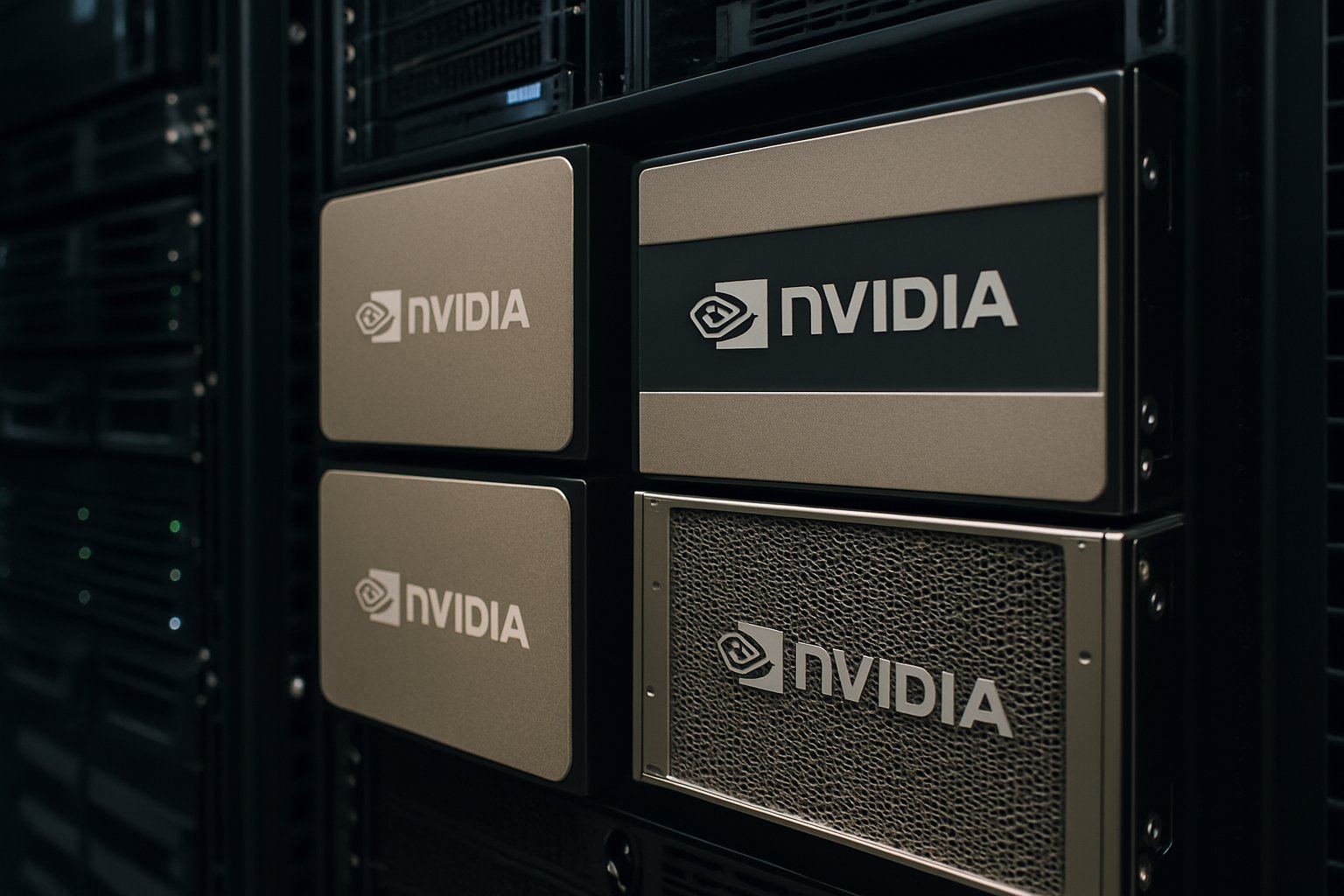
Early Nvidia Partnership Announcement
On 22 September 2025, the two firms unveiled a sweeping letter of intent. The document promised at least ten gigawatts of GPU infrastructure deployed in stages. Additionally, Nvidia stated it intended to invest up to $100 billion as capacity came online. OpenAI framed compute as the backbone of future economic activity, echoing Sam Altman’s earlier remarks.
However, the letter remained non-binding, a fact often lost in initial headlines. In contrast, securities filings repeatedly flagged that no definitive agreement yet existed. Consequently, analysts cautioned investors against treating the pledge as guaranteed revenue. These caveats set the stage for later scrutiny.
Wall Street Journal Claims
Late January 2026, The Wall Street Journal alleged the megadeal had frozen. Reporters, citing anonymous sources, said Jensen Huang questioned OpenAI’s business discipline. Moreover, they argued the $100 billion figure was always aspirational. However, they implied Nvidia leaders were actively reconsidering both scale and structure. Consequently, market sentiment wavered, pushing the chipmaker’s shares lower during after-hours trading.
Nevertheless, the article gave limited detail on internal models or board deliberations. Therefore, investors sought a direct, on-the-record response.
Huang Refutes Stalled Narrative
Two days later, Huang addressed reporters at a technology forum in Taipei. He dismissed talk of discord as “nonsense” and reaffirmed ongoing collaboration. Additionally, the chief said his company would invest “a great deal of money.” However, he clarified the outlay “wouldn’t approach $100 billion.” Huang stressed Nvidia will participate in the current fundraising round. Moreover, he confirmed support for OpenAI’s capacity buildout once milestones are met.
In contrast, he noted staged funding aligns better with prudent capital management. Subsequently, Nvidia shares recovered much of the earlier dip. Therefore, public remarks partly neutralized the negative narrative. The episode illustrated the power of direct communication in volatile markets.
Investment Structure Nuances Explained
Understanding staged infrastructure finance helps decode the headlines. The letter of intent outlines progressive funding tied to hardware deployment. Moreover, each gigawatt unlocked a new tranche rather than a lump sum. Consequently, cash flows would spread across many years.
- 10 GW total capacity targeted, starting with 1 GW in late 2026.
- Nvidia supplies GPUs and may finance part of the buildout.
- Funding triggers activate only after verified infrastructure milestones.
- Equity participation is negotiated in a separate round.
However, non-binding status allows both sides to resize commitments without penalties. Consequently, analysts now model several lower-case scenarios. Professionals can enhance their expertise with the AI Researcher™ certification. These nuances underscore why headline numbers often overstate actual cash movement. Meanwhile, clearer structure details should emerge in upcoming SEC filings.
Market Implications And Risks
The partnership still signals enormous demand for advanced GPU clusters. Moreover, suppliers like Taiwan-based manufacturers monitor the rollout timelines closely. In contrast, cloud rivals evaluate whether to pursue alternative hardware designs. Consequently, equity analysts debate revenue recognition timing for the chipmaker. Without formal contracts, Nvidia cannot book definitive backlog in its guidance.
Additionally, critics warn of governance challenges when a supplier funds its own customer. Nevertheless, the structure could strengthen ecosystem lock-in over time. These mixed signals keep valuation models volatile. Therefore, risk management remains paramount for portfolio managers. The section’s lessons prepare readers for the final outlook.
What Comes Next Steps
All eyes now shift toward the next quarterly SEC filings. Additionally, investors await confirmation of any definitive agreements. Huang hinted more information could arrive before the first gigawatt milestone. Meanwhile, OpenAI’s fundraising round should close within months, revealing fresh capitalization tables. Consequently, Nvidia may disclose the scale of its equity stake during that window.
In contrast, failure to produce specifics could reignite skepticism. Therefore, diligent observers should monitor both companies’ investor relations portals. These actionable steps inform proactive strategic planning. Next, consider how executives can integrate the insights.
Strategic Takeaways For Leaders
Effective leadership demands separating noise from signal. Furthermore, the case illustrates why non-binding announcements require thorough due diligence. Companies should examine investment staging, counterparty incentives, and legal enforceability. Additionally, they must track regulatory disclosures for real-time adjustments. Nvidia’s evolving commitment shows how capital allocation remains fluid in hypergrowth sectors.
Consequently, tech strategists can apply similar scrutiny to their own supply agreements. Meanwhile, continuous learning supports stronger negotiation outcomes. Professionals should revisit certification pathways to stay current. Therefore, closing paragraphs synthesize the discussion before the final call to action.
In summary, the letter of intent remains alive yet unfinalized. However, recent debates highlight the gulf between headlines and firm commitments. Consequently, leaders should monitor filings, press briefings, and capacity milestones. Moreover, staged funding structures can mitigate risk while preserving strategic flexibility. Nevertheless, governance complexities persist when suppliers fund customers at scale. Additionally, continuous education sharpens decision-making amid rapid market shifts. Explore advanced pathways through the linked AI Researcher™ certification and turn insight into competitive advantage today.


