

AI CERTs
2 months ago
How Shein’s AI Replicates Runway Trends in Record Time
Runway looks used to take months to reach mass retailers. Today, ultra-fast platforms shrink that window to mere days. At the center sits Shein, the Chinese ecommerce juggernaut redefining speed.
Multiple investigations reveal how its artificial intelligence hunts micro trends across runways and TikTok. Algorithms test small batches, gauge engagement, then trigger factories to scale winners instantly. Consequently, new styles appear online within ten days, often priced under US$10.
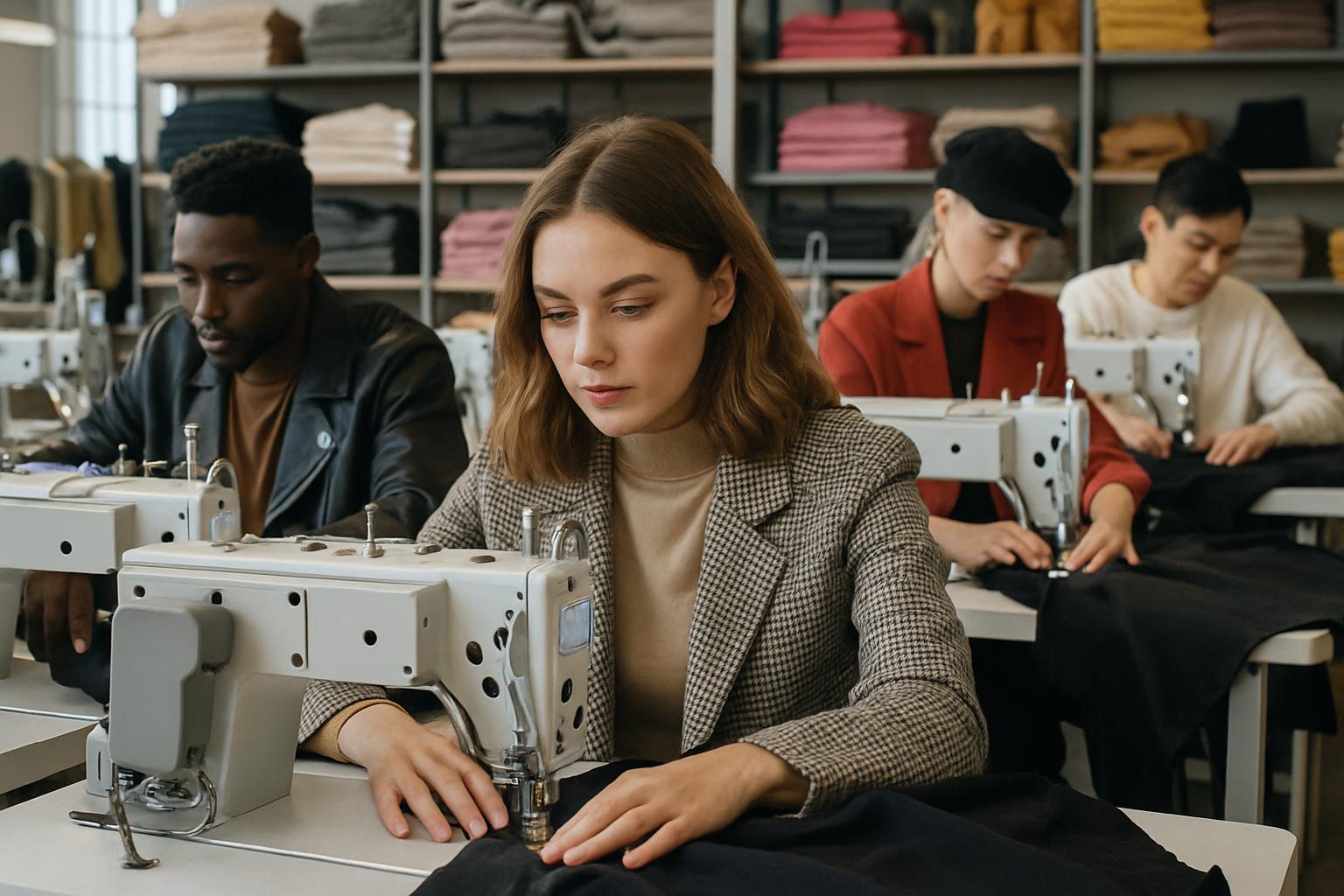
However, critics question the human and planetary costs embedded in that velocity. This article unpacks the technology, the impacts, and the unresolved legal battles. Moreover, it assesses whether Fast Fashion AI can coexist with sustainability. Professionals will find strategic insights and resources for responsible innovation. Let us begin by examining the algorithmic engine driving unprecedented speed.
AI Drives Ultra Speed
Machine-learning models scrape millions of images daily from social media, runways, and competitor sites. Meanwhile, computer vision classifies silhouettes, colors, and textures into actionable trend signals. Shein then launches around 100 initial pieces per concept to test demand. Furthermore, its dashboards update supplier schedules in near real time.
Engagement metrics such as clicks and add-to-cart rates feed predictive demand algorithms. Consequently, profitable variants proceed to larger purchase orders within 72 hours. Industry analysts describe this approach as Large-Scale Automated Test and Re-order, or LATR.
Data pipelines monitor search queries, ensuring feedback loops remain tightly coupled. Additionally, supplier portals receive automated cutting patterns minutes after demand spikes register. Such digital coordination shrinks fabric wastage by pre-calculating yardage per size.
In contrast, conventional brands still rely on quarterly design calendars. Therefore, their response times rarely beat six weeks.
The LATR framework illustrates how technology compresses idea-to-shelf time dramatically. However, speed alone reveals little about externalities, an issue the next section tackles.
Environmental Impact By Numbers
Polyester dominates the material mix, comprising 76 percent of total fabric use. Nevertheless, only six percent of that polyester is recycled, according to 2023 company data. Carbon reporting shows 16.7 million metric tons of CO2e emitted in 2023. Moreover, roughly 900,000 packages reached US consumers each day last July.
Investigations argue that air shipping and rapid turnover negate inventory efficiency gains. The following figures contextualize the scale:
- Up to 10,000 new items posted daily
- Platform hosts about 600,000 active styles
- 5,800 contract manufacturers support production
Additionally, activists warn that AI-driven consumption accelerates textile waste in landfills. Fast Fashion AI critics label the model "emissions on autopilot". Consequently, investors face reputational risk unless decarbonization plans materialize soon.
Lifecycle analysts calculate that polyester production alone generates high upstream emissions. However, dyeing and finishing steps often use coal-powered boilers, compounding intensity. Recycling infrastructure in key markets remains underdeveloped, limiting closed-loop ambitions.
Environmental metrics expose a widening gap between efficiency rhetoric and absolute impact. Subsequently, labor implications demand equal scrutiny.
Labor Concerns Still Persist
Public Eye interviewed workers in six Guangzhou factories supplying Shein merchandise. Interviewees reported twelve-hour shifts and 75-hour weeks during peak periods. Moreover, audits cited by the company cover only a subset of 5,800 suppliers.
NGOs argue that accelerated order cycles intensify overtime pressure. In contrast, Shein claims on-demand production lowers inventory, thus reducing redundant sewing hours. Nevertheless, little independent verification exists for that assertion.
Automation has not fully penetrated stitching lines, keeping manual toil central. Furthermore, piece-rate compensation models incentivize extended shifts during sales surges. Local governments sometimes overlook overtime infractions to preserve manufacturing jobs.
Fast Fashion AI may optimize scheduling, yet human well-being remains tied to purchaser timelines. Therefore, brands must integrate algorithmic insights with enforceable labor standards.
Current evidence paints a mixed, largely troubling picture for frontline workers. Consequently, intellectual property disputes add another layer of complexity.
Intellectual Property Legal Battles
Multiple lawsuits accuse the retailer of algorithmic design theft. Plaintiffs allege that computer vision tools identify trending runway pieces and replicate them quickly. Furthermore, generative models may create derivative prints trained on copyrighted catalogs.
The Fashion Law documents at least four active U.S. cases filed since 2023. Shein denies systemic copying, stating that human designers direct final outputs. Nevertheless, legal discovery could force unprecedented transparency into proprietary training data.
Academic experts note that convolutional nets can output near-identical patterns when trained unsafely. In response, policymakers consider watermarking datasets to flag protected content. Consequently, brands deploying vision models may soon face mandatory audit trails.
Fast Fashion AI remains a legal grey zone until courts define fair scraping limits.
IP litigation will likely shape future machine-learning governance across apparel. Meanwhile, analysts assess broader economic stakes.
Broader Industry Economic Context
McKinsey estimates generative technology could add up to $275 billion in apparel profits. Additionally, predictive tools already boost margin by lowering markdown rates. Shein asserts that AI reduces waste and capital lockup, attracting investors eyeing an IPO. However, sustainability critics counter that externalized costs dwarf operational savings. Consequently, regulatory pressure may redirect venture flows toward slower, circular models.
Key benefits cited by proponents include:
- Inventory aligned with live demand
- Short product development cycles
- Data-driven color forecasting
In contrast, externalities threaten to erode those gains through policy fines and boycotts.
The economic upside is real yet contingent on ethical execution. Therefore, transparency frameworks deserve closer inspection next.
Governance And Needed Transparency
Policy think tanks propose traceable data pipelines and public reporting of training sources. Moreover, they urge brands to adopt provenance watermarks for generated imagery. Professionals can deepen expertise through the AI Writer™ certification. Such credentials equip teams to audit algorithms responsibly.
Certification For Responsible Teams
Meanwhile, investors demand third-party verification of emissions and labor claims. Shein has begun publishing annual sustainability reports, yet granular model details remain undisclosed. Nevertheless, stakeholders could request scope-3 emission breakdowns and supplier scorecards.
Standards bodies like ISO are drafting guidelines for algorithmic accountability in apparel. Moreover, environmental NGOs push for disclosure of training energy consumption figures. Finally, cross-industry consortia test blockchain tags that trace garments from yarn to return.
Fast Fashion AI governance will hinge on cross-disciplinary collaboration among data, design, and compliance leaders. Transparent metrics and accredited talent can align rapid innovation with societal goals. Consequently, the debate returns to balancing speed, profit, and responsibility.
Shein exemplifies both the promise and peril of algorithmic acceleration. Moreover, AI delivers unmatched agility, yet amplifies ecological and human stressors. Investors admire Shein for lean inventory and explosive growth. However, regulators and designers decry opaque sourcing and alleged IP theft. Consequently, the company faces rising litigation, audit demands, and carbon scrutiny. Professionals watching this space should advocate transparent data, fair labor, and circular design. Therefore, Shein must prove that speed can coexist with accountability, or risk losing its edge. Explore certified training to build responsible AI roadmaps today. Additionally, early adopters gain competitive advantage by mastering ethical sourcing metrics. Take the next step and upskill before regulators mandate rigorous disclosures.


