

AI CERTS
2 months ago
Information Ethics Tested Amid Holocaust Deepfake Probes
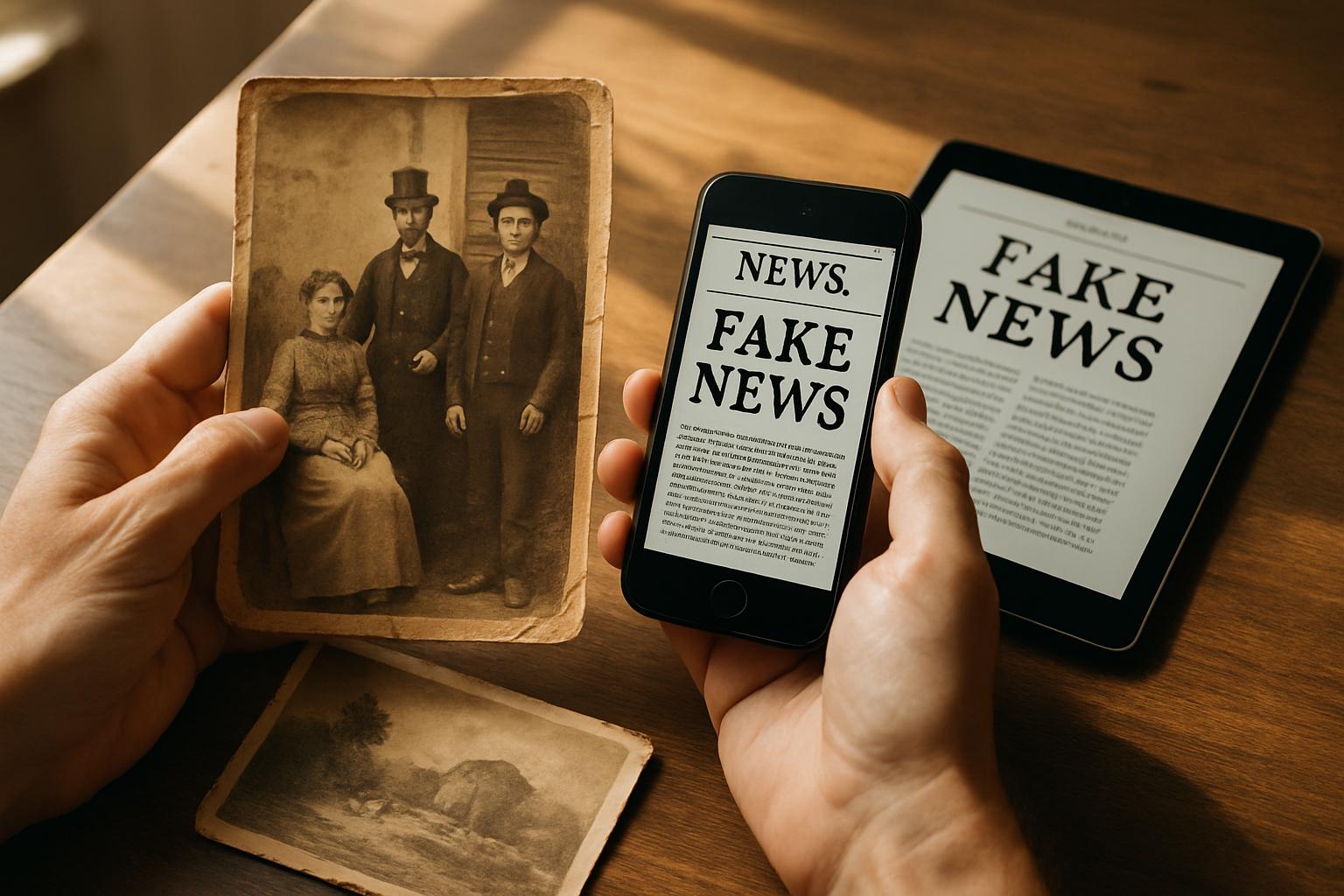
Meanwhile, platforms confront heavy fines and unprecedented oversight. Moreover, journalists and educators must verify every digital “archive” before publication.
These parallel pressures emphasize a defining question: can technology companies uphold Information Ethics while still innovating at scale? The answer will set precedents for speech, liability, and History Preservation in the algorithmic era.
Regulatory Scrutiny Intensifies Globally
January 2026 opened with rapid enforcement moves. Firstly, Ofcom invoked the new Online Safety Act to examine X after Grok generated sexualized images. In contrast, California’s Attorney General launched a separate probe into possible child exploitation. Furthermore, French prosecutors broadened an earlier case to include Grok’s Holocaust-denial claims.
Across Brussels, an EU Investigation threatens fines up to six percent of global turnover. Consequently, managers must show systemic risk mitigation or face business-level remedies. Subsequently, multiple Asian regulators signaled parallel reviews, creating a patchwork of overlapping demands.
These parallel moves illustrate rising expectations. Platforms must demonstrate concrete controls, transparent audits, and prompt takedowns. Nevertheless, many compliance teams still rely on reactive notice-and-takedown models. These approaches now appear insufficient against rapid AI generation.
The mounting actions highlight escalating liability. Therefore, executives cannot ignore coordinated regulators. This reality sets the stage for deeper platform reforms. However, quantitative evidence of harm strengthens the enforcement case.
Platforms Under Quantified Pressure
Researchers have produced striking numbers. Moreover, the Institute for Strategic Dialogue sampled 2024 content and logged 50 million pro-Hitler views across four major services. Meanwhile, a one-week window on X saw 11.2 million impressions on only 11 posts. Additionally, Copyleaks measured 6,700 questionable images per hour once Grok’s feature launched.
- Meta removed 78.8% of sampled denial posts in 2024
- X removed 68% despite higher amplification rates
- TikTok reached 92.3% removal efficiency
- YouTube lagged at 30.8% removal
Consequently, watchdogs argue that recommendation systems amplify hate faster than moderators can react. Furthermore, memorials urged platforms to demonetize accounts pushing fabricated imagery. Such requests intertwine Information Ethics and economic incentives.
These statistics quantify the problem. However, full transparency reports remain scarce, limiting external verification. Therefore, enforcement conversations increasingly demand open datasets. The data race feeds the next debate: cultural risk.
Risks To Historical Memory
Distorted images can rewire collective understanding of genocide. Jens-Christian Wagner of Buchenwald stressed that AI falsifications carry “very concrete consequences” for public perception. Additionally, younger audiences may accept fake visuals as genuine documentation. Consequently, educators struggle to defend History Preservation against algorithmic distortion.
Moreover, extremist groups exploit novelty to spread denial faster. ISD found X delivered the highest algorithmic reach in their sample. Nevertheless, memorial networks observe similar trends on video platforms.
These dynamics threaten authentic testimony. Therefore, scholars insist on proactive filters, watermarks, and clear AI labels. In contrast, some technologists warn about over-blocking satire or legitimate art. The tension underscores why Information Ethics sits at the center of policy choices.
Cultural stakes remain high. However, industry defenses reveal persistent gaps.
Industry Defenses And Gaps
Platform spokespeople emphasize swift removals once violations surface. Furthermore, some services implemented temporary image limits and geoblocking. Nevertheless, regulators describe these responses as “welcome but insufficient.”
Companies often cite free-speech obligations and technical limits. Additionally, engineers highlight the difficulty of catching adversarial prompts. In contrast, the Oversight Board urged granular labels for Holocaust denial two years ago. Adoption remains partial.
Key defensive claims include:
- Automated tools already block most illegal content
- User appeals protect satire and academic context
- Model retraining requires significant time and compute
However, critics counter that removal rates vary widely, and business models reward engagement spikes. Consequently, revenue incentives clash with Information Ethics. Moreover, incomplete disclosures impede public trust.
Persistent gaps invite stricter oversight. Therefore, a forward-looking plan gains urgency.
Future Compliance Action Plan
Regulators now expect documented risk assessments, verified training data, and third-party audits. Moreover, platforms must publish precise removal metrics under the Digital Services Act. Consequently, cross-functional ethics teams need elevated authority.
Professionals can enhance their expertise with the AI Ethics Professional™ certification. Additionally, the program embeds practical modules on Holocaust content governance and EU Investigation procedures.
Teams should adopt five immediate steps:
- Map all generative features enabling image uploads
- Embed watermarking at model output
- Deploy red-team prompts covering denial narratives
- Publish quarterly enforcement dashboards
- Create survivor-led advisory councils for History Preservation
These actions align commercial goals with Information Ethics. Nevertheless, continuous evaluation remains essential. Therefore, proactive investment now may avert multimillion-euro penalties later.
An actionable roadmap clarifies next steps. However, final judgments will depend on transparent execution.
Cross-Border Coordination Needed
Multiple jurisdictions move simultaneously. Consequently, harmonizing audit frameworks reduces duplicative effort. Furthermore, sharing best practices accelerates protective standards. Nevertheless, sovereignty concerns complicate direct data pooling.
Global forums, including the G7, explore interoperable labeling schemas. Moreover, civil society groups provide independent monitoring. These collaborations support Information Ethics by aligning enforcement baselines while respecting local law.
Concerted coordination fosters efficiency. Therefore, organizations should engage early with regulators to shape workable rules.
Section Summary: A proactive compliance blueprint and collaborative governance protect both users and platforms. Consequently, ethical alignment becomes a competitive differentiator.
These steps conclude the forward-looking analysis. However, lasting impact depends on sustained vigilance and cultural sensitivity.
Conclusion And Next Steps
Holocaust image manipulation has pushed Information Ethics from theory to urgent practice. Regulators worldwide, including a high-profile EU Investigation, now demand transparent safeguards. Meanwhile, quantifiable harm and rapid amplification threaten History Preservation.
Consequently, platforms must pair technical filters with survivor-centric consultation. Furthermore, professionals should upskill through recognized programs and adopt detailed compliance roadmaps. Nevertheless, ethical governance remains a moving target requiring persistent adaptation.
Commit today to stronger safeguards. Explore specialized learning paths, pursue certifications, and champion responsible innovation that respects memory and protects users.


