

AI CERTS
2 months ago
Gemini 3 Drives No-Code Gaming on YouTube Playables
This phenomenon defines No-Code Gaming as a mainstream possibility. However, the shift involves more than novelty. It signals a convergence of multimodal AI, platform distribution, and creator economics. Furthermore, quality, safety, and intellectual property questions remain unresolved. Industry professionals must examine the technical foundation and strategic implications now. The following analysis unpacks the beta, the model, and the broader market stakes.
No-Code Gaming Emerges Mainstream
Historically, building games required coding prowess and dedicated engines. Now, No-Code Gaming shifts that barrier downward dramatically. Creators simply describe a concept and let Gemini 3 orchestrate assets and logic. Additionally, YouTube distributes interactive experiences inside its existing web and mobile surfaces.
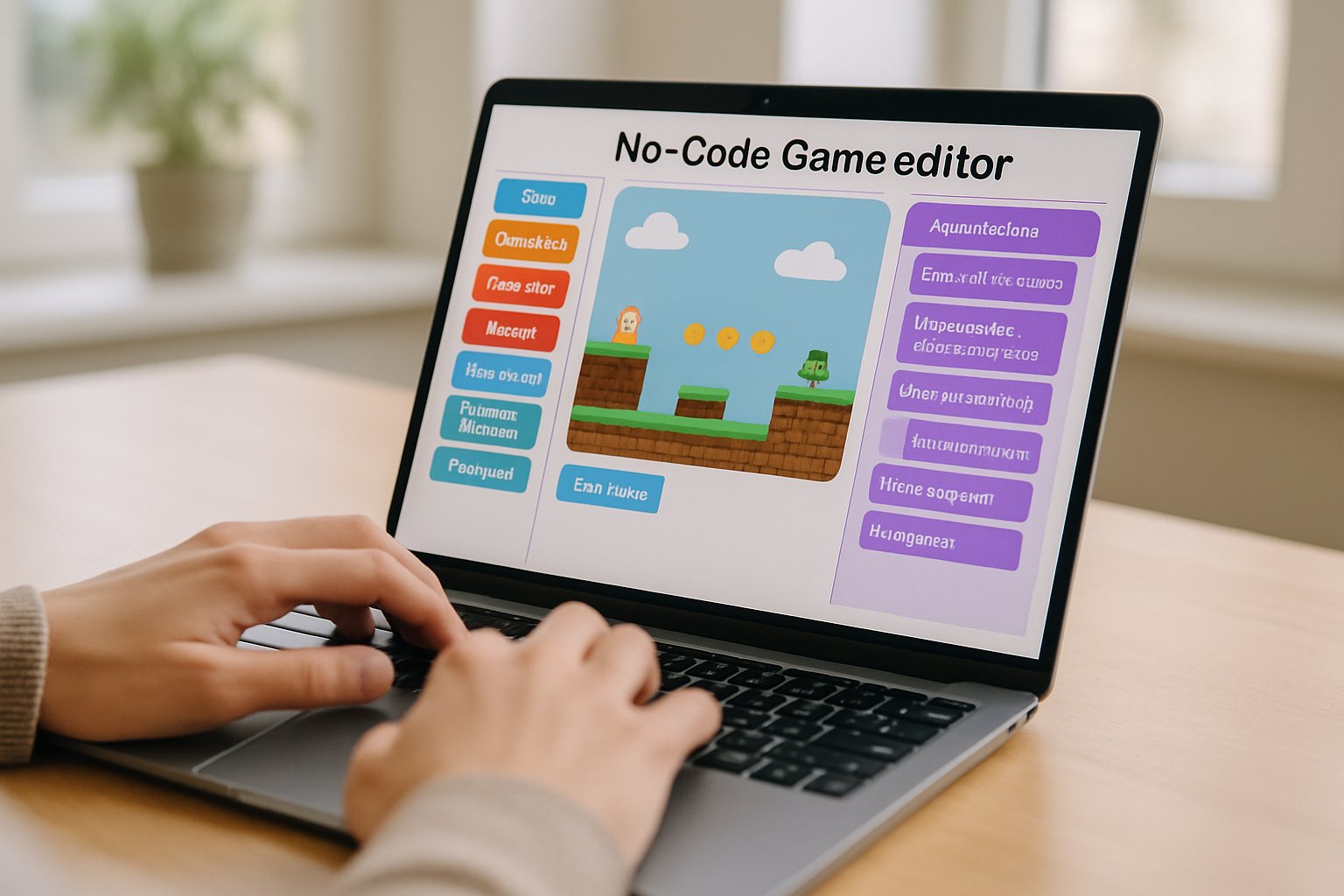
Therefore, audiences encounter interactive experiences alongside shorts, streams, and community posts. In contrast, earlier experiments demanded external hosting or complicated embeds. Playables Builder collapses those steps, delivering one-click publication.
Early low-code tools such as Construct reduced friction, yet scripting knowledge still helped. By comparison, the builder requires only narrative creativity and basic prompt engineering.
These developments legitimize No-Code Gaming for mainstream creators. Consequently, understanding the beta mechanics becomes essential.
Inside Playables Builder Beta
Playables Builder resides in a lightweight web interface. Users enter a short text, image, or video prompt describing the desired game. Subsequently, Gemini 3 analyzes the prompt and generates sprites, sound, rules, and a runnable HTML5 package. Weeks of traditional prototyping compress into seconds. This form of No-Code Gaming uses multimodal prompts.
Reporters observed six early demos, including FLINGALING and SUGAR CUBE. Moreover, seeded creators like Sambucha provided live demonstrations during the December launch window. The builder supports publishing to audiences in the United States, Canada, United Kingdom, and Australia.
- Beta announced December 16-23, 2025 via YouTube Gaming social posts.
- Only creators in four English-speaking markets can access the tool presently.
- Example microgames averaged under two minutes of playtime during demos.
- Google plans to refine export, monetization, and moderation features before wider release.
Testers report that editing parameters like speed or gravity currently involves slider tweaks, not raw code. Nevertheless, the absence of a timeline editor limits complex animation control.
The builder demonstrates rapid generation yet limited polish. Therefore, evaluating the model's technical contribution clarifies current constraints.
Model Underpinning Gameplay Magic
Google positions Gemini 3 as its most advanced multimodal architecture. It handles text, vision, and tool coordination within a single pipeline. Furthermore, benchmark scores show coding strength: SWE-bench 76.2 percent and Terminal-Bench 54.2 percent.
These agentic capabilities empower rapid game scaffolding. The architecture selects mechanic templates, adapts sprites, and constructs playable loops without human scripting. In contrast, earlier large language models struggled with consistent state management.
Google exposes the same APIs through AI Studio, Vertex AI, and Antigravity. Therefore, external developers could embed similar No-Code Gaming flows in proprietary platforms soon.
Google's architecture also incorporates reward models that rank possible code snippets against gameplay heuristics. Consequently, the system prunes glitches before final render, improving first-try success.
The system proves central to automated design workflows. However, quality and governance challenges still loom. Consequently, attention shifts toward legal and safety considerations.
Quality, Safety, IP Hurdles
Early reviewers praised speed but criticized shallow gameplay depth. Moreover, asset originality remains uncertain because Gemini 3 training data spans massive visual corpora. Potential copyrighted motifs could slip through, creating liability.
YouTube says human review and automated filters moderate generated games before publication. Nevertheless, policy details for mature content, hate speech, and trademark infringement are pending. Developers seek clarity on ownership rights for generated code and art.
In contrast, traditional engines grant explicit licensing terms. Consequently, creators hesitate to monetize AI-derived titles until guidelines emerge.
Moderation challenges are not theoretical. Researchers recently showed that generative assets can hide extremist symbols within textures. Therefore, scalable review workflows must combine automated scanning with human adjudication.
Legal uncertainty currently restrains aggressive No-Code Gaming commercialization. However, structured opportunities still exist for early adopters. Subsequently, we explore those avenues.
Opportunities For Content Creators
Despite risks, first movers gain visibility on a crowded platform. Additionally, integrating a microgame with video content increases session length and repeat visits. Creators can embed Playables as end-screen hooks that complement narrative arcs.
No-Code Gaming also lowers experimentation cost for marketers and educators. Marketers can launch branded microgames that reinforce campaign messages without buying studio time. Meanwhile, educators can prototype interactive quizzes that supplement lectures.
Professionals can enhance their expertise with the AI+ UX Designer™ certification. Additionally, candidates learn user-centric design principles that improve generative output quality.
Brands exploring interactive ads may sponsor limited-time leaderboards to encourage repeat plays. In contrast, traditional display banners rarely deliver similar dwell times.
No-Code Gaming expands creative reach across verticals. Therefore, strategic planning becomes critical before full production. Subsequently, we assess the path ahead.
Strategic Outlook Moving Forward
Market adoption will depend on policy transparency and monetization incentives. Nevertheless, Google holds advantages through distribution scale and integrated tooling.
Analysts expect a staged rollout mirroring Shorts and livestream features. Consequently, early feedback will refine prompt guidelines, export options, and revenue splits. As No-Code Gaming matures, policy clarity will dictate sustainable business models.
Meanwhile, regulators are drafting generative AI guidelines that may influence hosting requirements. Consequently, compliance considerations could shape the final export toolkit.
No-Code Gaming could intersect with merchandising, cloud streaming, and advertising modules across Alphabet properties. In contrast, competing platforms may license alternate models to replicate the experience.
The coming year will test technical robustness and economic viability. Therefore, vigilant monitoring of policy updates and creator metrics remains prudent.
Final Takeaways
The Playables Builder beta exemplifies rapid progress in multimodal AI and creator tooling. However, success hinges on quality, governance, and monetization frameworks. Furthermore, early adopters can build audience loyalty while informing platform policy. Consequently, stakeholders should experiment responsibly, document outcomes, and engage in policy dialogues. Professionals seeking an edge should pursue targeted credentials and deepen prompt-design skills. Ultimately, timely action today will shape interactive entertainment’s next frontier. Explore certifications and start prototyping microgames to seize that momentum.


