

AI CERTS
2 months ago
Sovereign Stack gains boost from India’s electronics scheme
However, hardware autonomy requires domestic components, not only code. The ₹22,919-crore ECMS therefore matters to national technology strategy. Furthermore, approved investments already exceed ₹54,500 crore across 46 projects. These numbers promise scale, yet execution challenges persist. This article analyses the scheme’s mechanics, industry response, and implications for the Sovereign Stack roadmap. It also explores ties with the India AI Mission and examines emerging funding pathways.
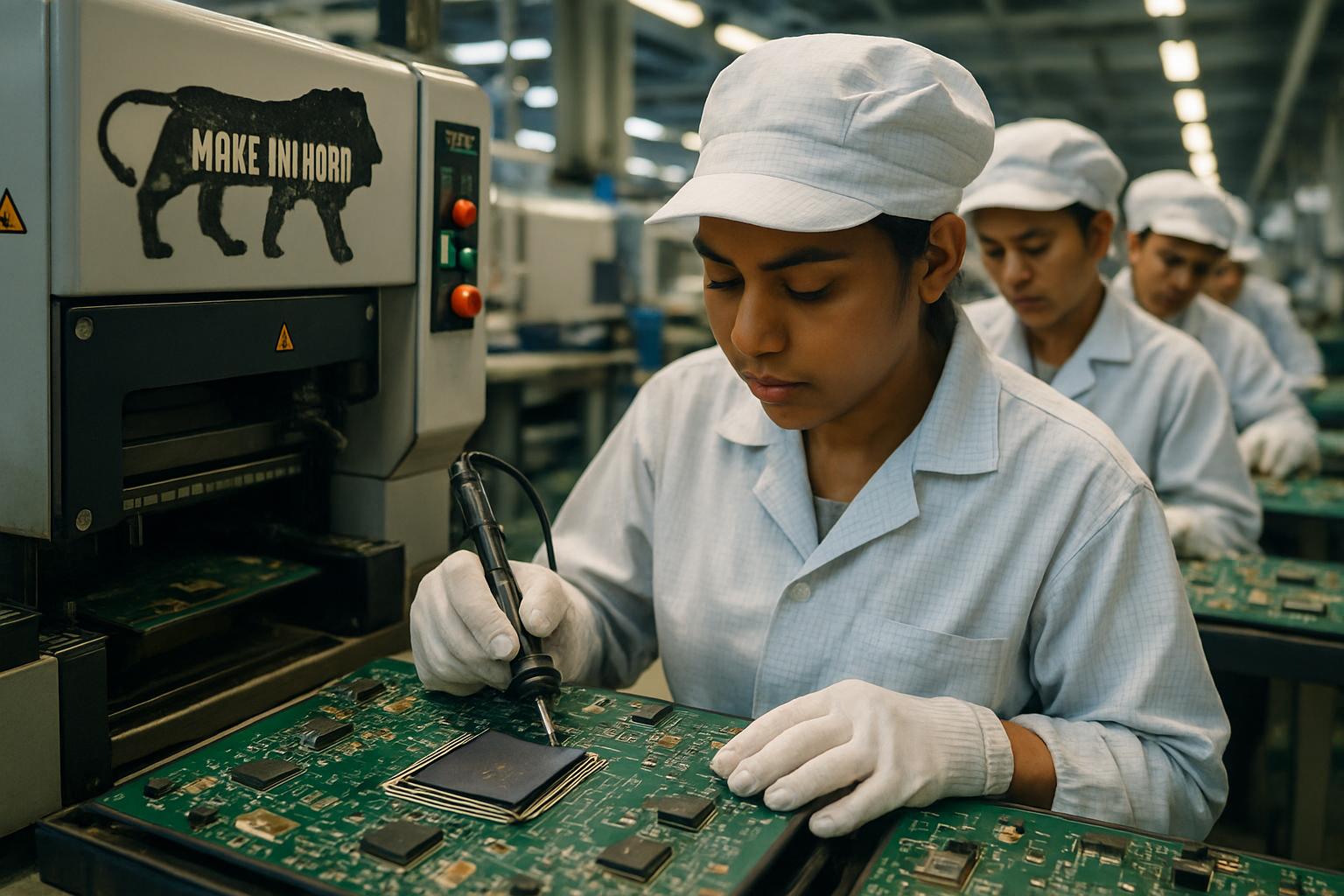
Sovereign Stack Policy Vision
The Sovereign Stack concept emerged from debates on technology self-reliance. It promotes vertically integrated layers, from silicon to apps, governed by open standards and local control. Consequently, hardware incentives complement software policies like the India AI Mission. Lawmakers argue that trusted hardware secures critical data and public services.
Moreover, defence and infrastructure agencies demand tamper-proof electronics for surveillance, payments, and identity. Such demand creates predictable baselines for component factories. Therefore, ECMS incentives directly reinforce the Sovereign Stack by localising printed circuit boards, camera modules, and lithium cells. Analysts expect rising domestic content in smartphones and servers to follow.
In summary, policy designers view hardware localisation as foundational to digital sovereignty. The following section quantifies early progress.
Electronics Scheme Key Figures
Numbers released by MeitY demonstrate robust investor appetite. Initially, officials targeted ₹59,350 crore of private investment. However, the application window logged proposals worth ₹1.15 lakh crore. Subsequently, three approval tranches cleared 46 projects pledging ₹54,600 crore. Projected output from tranche three alone equals ₹2,58,152 crore over six years.
- Central outlay: ₹22,919 crore incentives.
- Direct jobs promised: 91,600 across segments.
- Applications received: 249 across nine categories.
- Capex incentive rate: up to 25% for equipment.
Furthermore, state governments have announced land, power, and tax concessions to complement central support. Tamil Nadu, Uttar Pradesh, and Karnataka lead early movers. Consequently, the investment funnel appears sustainable beyond current approvals.
These figures indicate momentum surpassing original expectations. Yet headline numbers hide operational complexities, explored next.
Industry Reactions And Risks
Industry bodies welcomed the incentives with measured optimism. Ashok Chandak described ECMS as a milestone catalysing world-class supply chains. Similarly, Pankaj Mohindroo predicted global competitiveness for Indian champions. Nevertheless, practitioners highlighted persistent raw material gaps, especially copper-clad laminates and rare earths. In contrast, KS Babu warned about Chinese price pressures.
Moreover, capital intensity remains high, stretching balance sheets of mid-tier firms. Therefore, timely disbursement of incentives will shape confidence. Financiers also monitor exchange-rate swings that could erode rupee cost advantages. These concerns underscore the importance of diversified funding instruments, including venture debt and export credit.
Overall, enthusiasm coexists with caution across boardrooms. The discussion now shifts to federal and state cooperation.
State Level Participation
States compete vigorously for approved factories. Tamil Nadu has repurposed Chennai clusters for camera modules and connectors. Meanwhile, Andhra Pradesh fast-tracks port infrastructure for PCB exporters. Uttar Pradesh offers subsidised power, water, and training grants.
Consequently, location decisions hinge on holistic packages, not headline subsidies. Companies evaluate logistics corridors, talent pools, and regulatory timelines. Moreover, state skill councils align curricula with component manufacturing needs. Professionals can enhance their expertise through the AI+ Government™ certification. Such credentials support public procurement projects under the Sovereign Stack mandate.
State strategies, certifications, and central aid must align seamlessly. The linkage with national AI goals clarifies that alignment.
Linkages To India AI
Artificial intelligence drives appetite for sensors, accelerometers, and edge servers. Therefore, the India AI Mission depends on reliable local supply of these components. ECMS incentives cover camera modules and compute boards essential for computer vision workloads. Moreover, a domestic hardware base lowers latency, energy use, and security risks.
Funding needs escalate as AI workloads scale across healthcare and agriculture. Consequently, blended finance models mixing grants, equity, and bonds gain importance. Analysts classify such finance as catalytic capital for the Sovereign Stack ecosystem.
The synergy between policy levers reinforces both AI and manufacturing roadmaps. Next, we assess export opportunities.
Global Value Chain Impact
Global OEMs currently source many components from East Asia. However, supply chain shocks revealed vulnerabilities during recent geopolitical tensions. India now offers diversification, competitive incentives, and expanding talent. Subsequently, firms like Jabil and Dixon announced capacity expansions for international clients.
Export competitiveness hinges on quality, yield, and cost discipline. MeitY’s portal mandates quarterly audit reports to track those metrics. Moreover, the policy’s turnover-linked payouts reward sustained performance, not one-time capex. Funding access from export banks further supports working capital cycles. Consequently, stakeholders expect a gradual shift of product platforms to Indian factories.
Global partners see credible diversification, yet they will monitor execution closely. The final section outlines critical milestones.
Roadmap And Next Steps
Short-term focus rests on timely plant commissioning by mid-2026. Capital equipment windows remain open until 2027, offering late movers another chance. Meanwhile, approved firms must hit production thresholds to unlock incentive tranches. Therefore, supply of skilled technicians becomes a gating factor.
The India AI Mission releases its updated compute roadmap later this year. Consequently, component demand forecasts will refine capacity plans and funding models. Analysts also expect a second ECMS approval round if current projects progress smoothly. Moreover, incremental support for raw material ecosystems may emerge, addressing laminate dependency.
In essence, execution discipline and ecosystem depth will decide success. These outcomes will complete the envisioned Sovereign Stack future.
India’s electronics push has moved beyond rhetoric to financed projects and clear milestones. Moreover, ECMS aligns fiscal muscle with strategic intent, supporting the Sovereign Stack architecture. Consequently, component localization will feed digital public goods and AI services. Nevertheless, raw material gaps, skill shortages, and complex funding cycles demand vigilant governance. States and industry must therefore coordinate on infrastructure, audits, and workforce upskilling. Professionals can stay ahead by pursuing specialised certifications and deep domain learning. Consequently, the AI+ Government™ program complements the Sovereign Stack journey. Explore these resources, engage with policymakers, and help build India’s next growth engine.


