

AI CERTS
6 months ago
Creative Tools Power YouTube Shorts AI Likeness Revolution
Furthermore, the platform says the pair will empower production while guarding misuse. Industry professionals now wonder how these moves alter monetization, privacy, and workflow. This article unpacks the strategy, risks, and next steps for serious creators. Along the way, we examine which certifications can strengthen mastery of Creative Tools. Additionally, Shorts now averages roughly 200 billion daily views, underscoring colossal demand. Creators already use AI editing more than one million times every day.
Consequently, platform innovation directly impacts the creator economy's $55 billion domestic contribution. Therefore, understanding these announcements is essential for production leaders and brand strategists. Audience habits shift faster than forecasts.
AI Shifts Video Scene
Historically, the platform improved production through shorter formats and generous revenue shares. However, YouTube now ties that history to generative models powering the upcoming Shorts feature. Mohan called the change part of a "new creative frontier" in his annual letter. Moreover, Shorts already draws about 200 billion daily views, underscoring the scale at stake. Meanwhile, more than one million channels used AI creation options daily last December. These figures explain why synthetic personas suddenly matter. Nevertheless, technology alone never guarantees trust; the next section explores the promised feature itself.
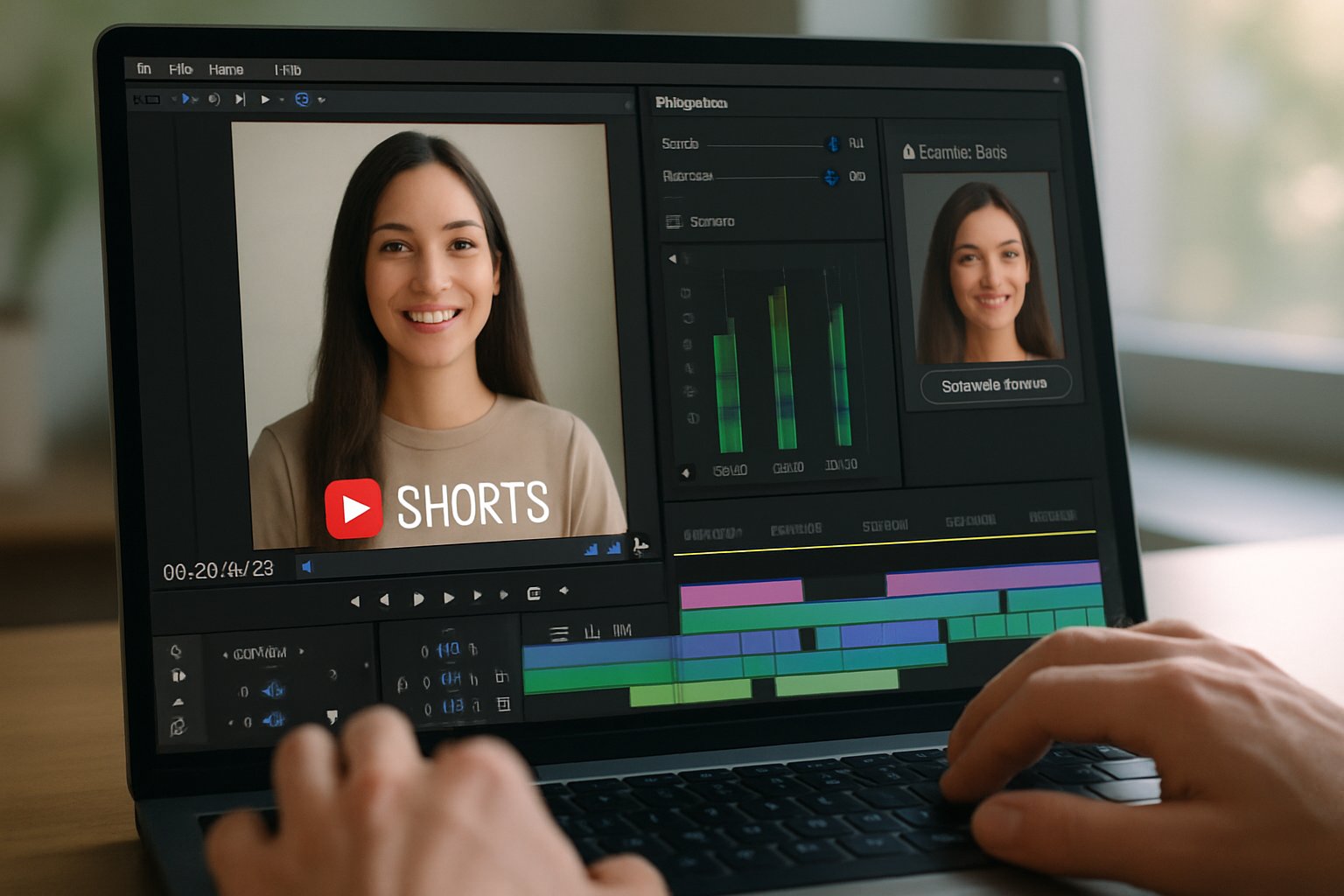
Shorts Likeness Feature Launch
The forthcoming tool lets enrolled creators synthesize a video using their recorded face and voice. Therefore, a busy host can publish updates without standing before a camera every morning. In contrast, unauthorized deepfakes will remain subject to takedown through the separate detection dashboard. Mohan stressed that AI should serve expression, not replace humans. Additionally, the platform will label synthetic clips, according to early press briefings from TechCrunch. Crucially, only channels opting in and enrolling reference media can unlock AI Likeness generation. Those Creative Tools will appear inside Shorts' mobile editing panel, mirroring existing filters and effects. The workflow seems straightforward yet powerful. However, the advantages resonate only when creators see tangible business benefits, examined next.
Opportunities For Busy Creators
Synthetic presence lowers production friction dramatically. Consequently, a vlogger can schedule daily tips while traveling, maintaining algorithm momentum. Brands may also negotiate localized campaigns without costly reshoots, pushing margins higher. Key opportunity numbers include:
- 200B daily Shorts views signal vast reach.
- $100B paid to creators since 2022 shows economic potential.
- 490,000 U.S. jobs supported validate ecosystem scale.
Moreover, Creative Tools boost output without proportional cost growth. Some analysts predict a new wave of micro-studios leveraging AI Likeness for niche verticals. Still, rewards arrive alongside real tradeoffs. These benefits excite growth-focused channels. Nevertheless, privacy dilemmas could temper acceptance, as discussed next.
Privacy And Policy Questions
Enrollment requires government identification and a video selfie to anchor biometric matching. Therefore, civil-liberties groups flag data retention and potential future reuse. Gadgets360 highlighted concerns about storing face templates on Google servers indefinitely. Meanwhile, false positives may burden reviewers with extra administrative labor. Incorrect matches could block legitimate Content until manually cleared.
In contrast, malicious actors might still upload manipulated Content faster than systems detect. YouTube supports the proposed NO FAKES Act, hoping regulation clarifies liabilities. However, laws move slower than product cycles. Consequently, platform transparency about Creative Tools data handling remains essential. Privacy debates will shape adoption curves. Next, we examine how rivals and regulators influence market positioning.
Competitive Video Platform Landscape
OpenAI's Sora and similar apps already let users animate personal avatars quickly. However, those services lack integrated monetization frameworks matching the video giant's Partner Program. Consequently, many creators may prefer a familiar revenue dashboard despite stricter onboarding. Meta, TikTok, and Snapchat experiment with comparable Creative Tools, intensifying feature parity races.
In contrast, legislators scrutinize each rollout, pressuring companies to add protective layers. Platforms that mishandle AI Likeness risk reputational damage and possible regulatory penalties. Competition ensures rapid iteration and occasional missteps. Therefore, implementation specifics become the decisive factor, detailed next.
Implementation Details Still Pending
Mohan offered no launch date beyond "this year". Moreover, the company has not published data deletion or model-training policies. Developers await documentation describing encryption, server access, and opt-out flows. Subsequently, unanswered questions fuel creator hesitation around uploading sensitive reference media. Nevertheless, early leaks suggest automatic captions will flag AI-generated Content for viewers. Consumers may also see watermarking inside Shorts as part of the wider Creative Tools suite. The absence of clarity prolongs uncertainty. However, creators can still prepare practical steps, explored in our final section.
Action Steps For Creators
First, audit your existing upload cadence and identify segments ripe for partial automation. Then, decide whether an AI Likeness truly aligns with personal brand values. Additionally, review ID submission policies and confirm deletion options before enrolling. Professionals can boost expertise through certification. Consider the AI Writer™ program for practical Creative Tools training. Moreover, maintain secure backups of all reference footage in case platform problems emerge. Finally, monitor YouTube's developer blog for policy updates and pilot invitations. Strategic planning maximizes feature upside. Consequently, informed creators will adapt faster when the new Creative Tools arrive.
The coming months will reveal how well the platform balances speed with safety. Nevertheless, YouTube must publish transparent documentation before mainstream adoption accelerates. Creators who prepare now will harness Creative Tools the moment the beta opens. Consequently, channels can maintain output quality while freeing time for strategic partnerships. Privacy diligence remains vital because mishandled biometric data endangers creator trust. Meanwhile, consistent labeling should help viewers discern genuine Content from synthetic clips. YouTube also faces competitive pressure, driving faster refinement of Creative Tools features. Act today by exploring certification pathways and subscribing for further updates.
Disclaimer: Some content may be AI-generated or assisted and is provided ‘as is’ for informational purposes only, without warranties of accuracy or completeness, and does not imply endorsement or affiliation.


