

AI CERTS
2 months ago
Digital Abuse: App Store Deepfake Crisis
Its report triggered removals, lawsuits, and bipartisan regulatory scrutiny across three continents. However, millions had already downloaded the damaging software. Platform profits reached an estimated $117 million before the clampdown began. Industry leaders now face uncomfortable questions about safeguards, accountability, and victim support. Stakeholders span engineers, policy officers, investors, and victim advocates. This article unpacks the investigation, enforcement gaps, and emerging solutions. Meanwhile, professionals will gain actionable insights on compliance and risk mitigation.
Watchdog Report Key Findings
TTP researchers scanned Apple and Google storefronts on 21 January 2026. They identified 102 Nudify Apps capable of stripping clothes from user images. Furthermore, 38 of those appeared in both stores, revealing cross-platform availability. Downloads exceeded 705 million, according to analytics firm AppMagic. Consequently, estimated lifetime revenue topped $117 million, sharing commissions with each marketplace.
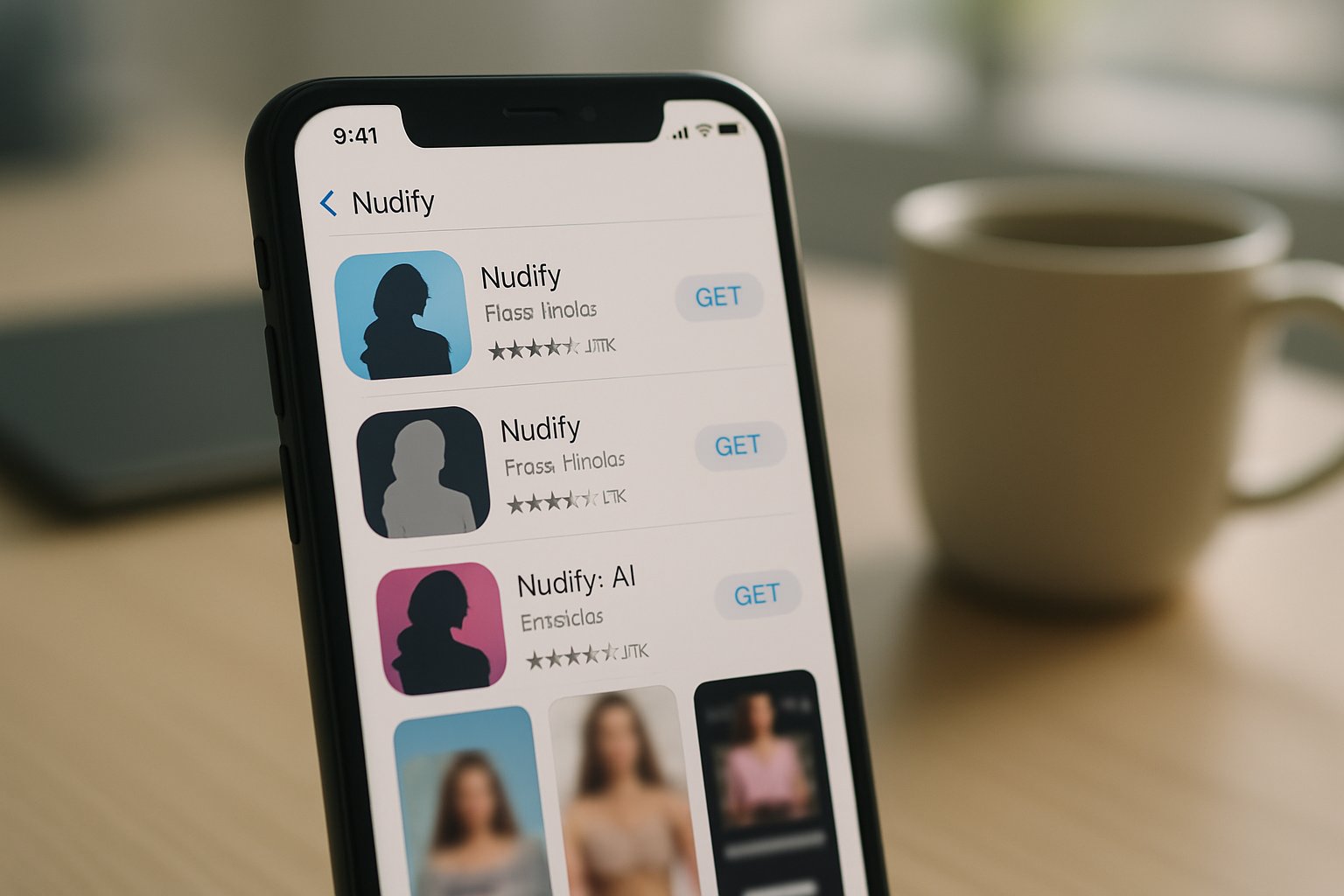
Key numbers stand out:
- 55 apps on Google Play; 47 on the App Store.
- DreamFace alone recorded over 10 million installs.
- Collart generated more than $2 million in user spending.
- WonderSnap offered free templates labeled "tear clothes" to minors.
These figures illustrate the commercial scale of Digital Abuse technology. Yet they only scratch the surface of the broader threat landscape. The investigation underscores widespread availability despite explicit store rules. Therefore, attention shifts to how those rules failed in practice. TTP also flagged privacy risks when images traverse overseas servers.
Policy Enforcement Gaps Persist
Both Apple and Google list non-consensual sexual content as prohibited. In contrast, TTP demonstrated that reviewers missed obvious marketing phrases like "undress". Moreover, several Nudify Apps even carried 12+ age ratings. Store algorithms continued to recommend them alongside innocuous photo editors.
Google's Policy explicitly bans tools claiming to see through clothing. Apple's guidelines similarly reject apps that objectify real people. Nevertheless, researchers installed working versions with no adult verification. Consequently, observers argue that commercial incentives dilute strict review practices.
Enforcement inconsistency elevates Digital Abuse risks for everyday users. The next section examines mounting political consequences demanding firmer oversight.
Regulatory Pressure Intensifies Globally
Lawmakers responded quickly after the January disclosures. Subsequently, eight U.S. senators ordered platforms to preserve deepfake documents. Meanwhile, California's attorney general opened a multi-state inquiry. EU officials signaled Digital Services Act enforcement against facilitating deepfakes.
CCDH estimates that xAI's Grok produced three million sexual images in ten days. Therefore, regulators view marketplace failures as part of a systemic pattern. Meta had already sued CrushAI in 2025, citing user harm and reputational damage. Moreover, Meta is sharing ad detection signals with rivals to curb distribution.
UK regulator Ofcom is considering mandatory risk assessments for generative tools. Additionally, Australian authorities issued guidance aligning deepfake harms with existing cyber-abuse laws.
These governmental moves frame Digital Abuse as a consumer protection emergency. Next, we explore how revenue flows complicate faster action.
Monetization Incentives Fuel Growth
Every in-app purchase funnels up to 30% to Apple or Google. Consequently, critics argue that fee structures create disincentives for aggressive takedowns. AppMagic estimates $117 million in cumulative spending across offending titles. Additionally, advertisements for Nudify Apps appear on social networks and search engines.
Revenue dynamics manifest in several ways:
- Subscription pricing hides offensive templates behind paywalls.
- Discount promotions spike downloads during global marketing campaigns.
- Cross-promotion between developers saturates user feeds with suggestive keywords.
Researchers note that fleeting viral trends can add millions of installs overnight. Meanwhile, store ranking algorithms reward engagement spikes, further amplifying questionable titles.
Platform commissions mean companies profit every time Digital Abuse content is generated. Nevertheless, executives insist user safety remains paramount.
Financial realities complicate swift enforcement and transparency promises. However, technical detection tools may offer partial relief, as outlined next.
Technical Detection Remains Challenging
Automated review currently relies on keyword filters and static screenshots. In contrast, many Nudify Apps cloak sexual templates until after installation. Moreover, generative models can add clothing in previews while stripping it later. Therefore, dynamic behavioral testing grows essential for reliable vetting.
Developers also rotate marketing copy to evade Policy keyword triggers. Consequently, enforcement teams need machine-learning systems that analyze code and network calls. TTP recommends collaborative signal sharing across marketplaces, security vendors, and regulators. Additionally, human reviewers must audit age ratings and purchase flows.
Open source libraries now analyze model outputs for nudity patterns. However, attackers retrain models to randomize outputs and bypass those hashes. Consequently, defenders favor multimodal classifiers that inspect prompt, code, and image jointly.
Persistent engineering gaps sustain Digital Abuse at massive scale. The following section outlines multi-layered steps to cut that scale swiftly.
Multi-Layered Mitigation Pathways Ahead
No single intervention will solve the problem. However, coordinated actions can shrink exposure and reduce harm. Platforms must enhance detection, refund victims, and publish transparent enforcement dashboards. Moreover, policymakers should mandate rapid takedown and notification protocols for non-consensual images.
Certification Supports Compliance Efforts
Enterprises deploying AI products also need defensive design reviews. Professionals may deepen compliance skills via the AI Legal Specialist™ certification. Companies adopting stricter audits can signal trust to regulators and advertisers alike.
Combined, these measures weaken incentives that drive Digital Abuse markets. Consequently, stakeholders progress toward safer digital ecosystems.
Digital Abuse now defines a critical frontier for trust in consumer AI. The TTP investigation exposed how simple oversights enable Digital Abuse at planetary scale. However, robust Policy frameworks, sustained enforcement, and transparent metrics can shrink Digital Abuse rapidly. Furthermore, professionals who master legal, technical, and ethical nuances will shape safer innovations. Start by pursuing recognized credentials that validate expertise and signal commitment to responsible development. Explore the linked certification and help turn protective ideas into decisive action.


