

AI CERTs
2 months ago
Tesla Bets $20B On Robotics Pivot
The January earnings call shocked Wall Street. However, Tesla announced capital spending will soar past $20 billion in 2026. Consequently, industry observers now watch a historic pivot from electric cars toward autonomous machines and services.
Markets processed the news quickly. Moreover, analysts highlighted the aggressive timeline and the implied technological ambition. Nevertheless, executives argued the strategy matches customer demand for intelligent mobility and factory automation.
Massive Investment Year Ahead
CFO Vaibhav Taneja called 2026 “a huge investment year.” Therefore, capital expenditures will more than double 2025 levels. Tesla will direct funds to production tooling, AI compute clusters, and multiple new assembly lines. Additionally, management referenced chip fabrication projects and energy storage sites.
The company ended 2025 with $44 billion in cash and investments. Consequently, internal liquidity can cover most near-term outlays. In contrast, longer projects may rely on fresh debt or other financing instruments.
These figures underscore unprecedented scale. However, execution pressures will intensify quickly. The next section examines how the corporate mission is changing.
Pivot To Physical AI
Elon Musk framed the business as a “physical AI company.” Furthermore, leadership said software expertise will fuse with advanced hardware to deliver profitable services. Robotics lies at the center of that vision.
The strategy splits into two flagship programs: Optimus humanoid units for internal and external tasks, and fully driverless robotaxis for urban mobility. Consequently, Tesla expects data synergies between the fleets.
Successful integration could unlock recurring revenue from logistics, manufacturing, and on-demand transport. Nevertheless, many engineers question whether production targets are realistic within twelve months.
This shift redefines competitive boundaries. However, timelines remain fluid, as detailed below.
Optimus Program Roadmap Timeline
Management will unveil Optimus Gen-3 early 2026. Subsequently, a dedicated Fremont line should begin installation before year-end. Tesla plans initial factory deployments first, then broader commercial sales.
Executives declined to publish volume guidance. Nevertheless, prior comments suggested ambitions of “millions” annually within several years. Meanwhile, external roboticists warn hardware reliability hurdles remain substantial.
These milestones will test manufacturing agility. Therefore, stakeholders will monitor prototype performance closely. Next, we explore autonomous ride-hail plans.
Robotaxi Expansion Challenges Ahead
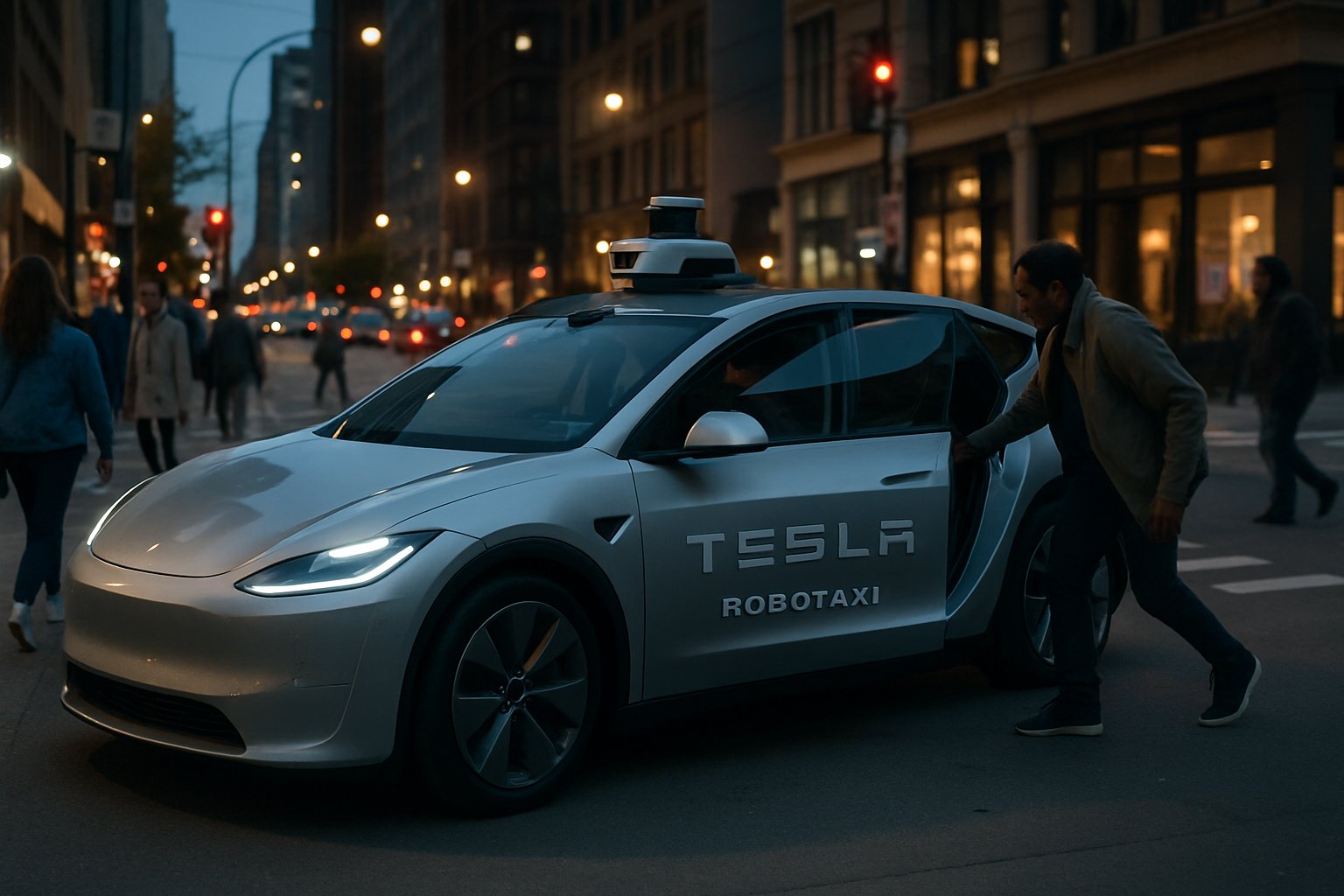
Robotaxi pilots already run in Austin and the Bay Area. Additionally, recent trials removed safety drivers, escalating regulatory scrutiny. Tesla aims to extend the fleet as Cybercab production ramps.
Regulators must approve fully driverless service in each jurisdiction. Consequently, legal variability could slow geographic rollout. Moreover, safety incidents would trigger immediate probes and potential suspensions.
Commercial viability hinges on high utilization rates and low maintenance costs. Nevertheless, many competitors pursue similar models, intensifying marketplace uncertainty.
These factors may affect capital returns. However, factory reconfiguration remains another influential variable.
Factory Changes And Capacity
Management will wind down Model S and Model X assembly lines. Subsequently, freed space inside Fremont will host Optimus equipment. Additional lines for Cybercab, batteries, and Megapacks are scheduled for Austin and Nevada.
Re-tooling older facilities reduces lead times versus green-field builds. Furthermore, proximity to engineering teams accelerates iteration cycles. Yet, temporary production dips may pressure automotive margins during the transition.
Key physical upgrades include high-speed casting machines, advanced vision calibration stations, and expanded clean-rooms for semiconductor packaging. Consequently, supplier coordination will prove critical.
The facility plan supports simultaneous product ramps. Nevertheless, funding structure still raises questions addressed next.
Funding Sources And Risks
The board approved a $2 billion investment into xAI. Consequently, governance experts flagged potential conflicts because Musk leads both companies. Tesla insists the partnership strengthens shared research while preserving data security.
Free cash flow may turn negative during 2026. Nevertheless, the balance sheet can absorb moderate deficits. Moreover, rising software subscriptions could offset some hardware-related cash drains.
Analysts outline several risk vectors:
- Execution delays within complex Robotics manufacturing programs
- Regulatory setbacks for autonomous ride-hail deployments
- Higher-than-expected component costs amid capacity expansion
- Governance scrutiny over related-party transactions
Professionals can enhance their expertise with the AI Network Security™ certification. Moreover, deeper domain insight helps investors judge technical feasibility.
The next section summarizes external sentiment and valuation debates.
Analyst Reactions And Outlook
Wedbush called the move “an aggressive moonshot.” Meanwhile, Morgan Stanley highlighted massive optionality if Optimus succeeds. In contrast, several robotics scholars predicted protracted validation cycles.
Consensus 2026 profit estimates dropped after the call. However, long-term price targets for Tesla stock remained largely unchanged. Consequently, investors appear willing to grant execution latitude.
Upcoming catalysts include the Optimus Gen-3 reveal, detailed capex breakdowns in SEC filings, and expanded robotaxi permits. Therefore, market sentiment will shift swiftly as each milestone emerges.
These perspectives illustrate both excitement and caution. The concluding thoughts follow.
The company confronts an inflection point. Moreover, leadership plans to transform industrial operations and urban mobility simultaneously. Tesla must deliver reliable robots, scale autonomous fleets, and navigate governance complexities. Execution success could redefine corporate value; failure would amplify financial strain. Nevertheless, substantial cash reserves provide a buffer during the high-spend phase. Consequently, professionals should track quarterly filings, safety disclosures, and manufacturing updates. For deeper strategic understanding, consider enrolling in advanced certifications and remain engaged with unfolding developments.


