

AI CERTs
2 months ago
OpenAI eyes biometric-verified social network
Amid intensifying scrutiny of social platforms, a new experiment is unfolding inside Silicon Valley's top AI lab. Internal reports indicate the lab is prototyping a photo-centric feed that blends generative images with real user commentary. Sources say OpenAI intends the project to rival X while tackling bots through sophisticated identity checks. Consequently, biometric “proof of personhood” has become a focal point of early design discussions. However, the company remains silent publicly, leaving analysts to piece together timelines, motives, and technical hurdles. This article synthesizes verified reporting and expert commentary to map the opportunity, risks, and unanswered questions. Moreover, it examines how biometric verification could reshape governance frameworks across the broader AI ecosystem. Professionals tracking platform strategy will gain detailed insights into traction indicators, regulatory headwinds, and strategic next steps. Finally, the piece highlights upskilling paths for policy leaders navigating forthcoming identity standards.
Prototype Social Vision Emerges
April 2025 leaks first spotlighted the nascent feed, described as an Instagram-like stream powered by DALL·E images. Meanwhile, The Verge noted that less than ten engineers were assigned, signaling a guarded exploratory phase. Subsequently, Forbes revealed leadership interest in linking the feed to device or iris authentication.
Key Timeline Highlights Unveiled
The chronology below distills essential public milestones.
- Apr 13 2025: Verified Organization launch for API gating.
- Apr 15 2025: Social feed prototype leaks.
- May 2 2025: World recorded 12 million iris scans.
- Jan 28 2026: Biometric plans reported by Forbes.
Collectively, these dates confirm momentum yet underline the project’s early status. However, no official roadmap has surfaced, keeping speculation high.
Early signals illustrate ambition but also limited resourcing. Consequently, debate now centers on the biometric layer under consideration.
Biometric Proof Plan Debated
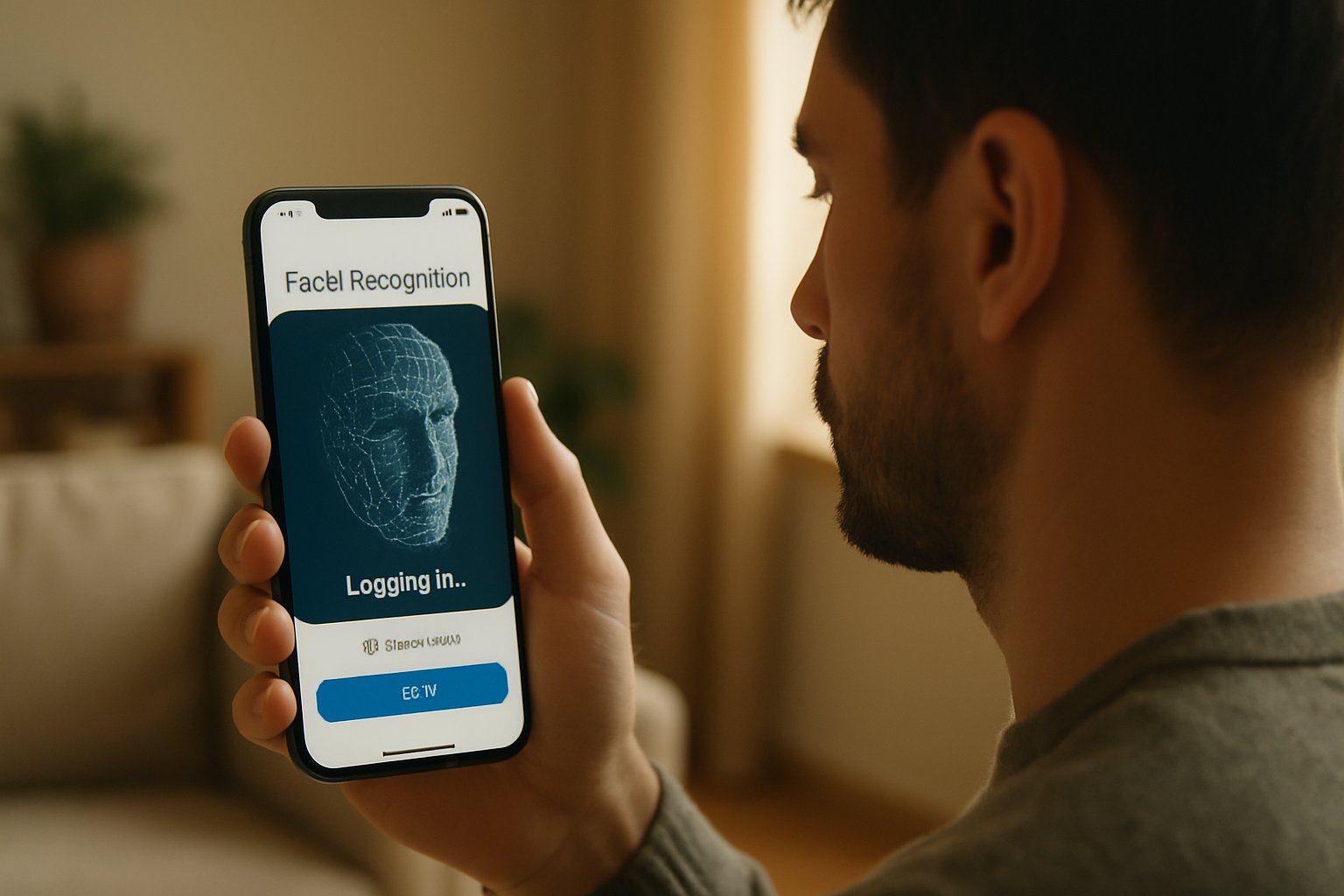
Developers who fought bot floods on X view proof-of-personhood as a near mandatory safeguard. Moreover, World’s iris Orb promises a cryptographic badge unattached to personal data on company servers. In contrast, Apple Face ID would leverage hardware already embedded in billions of phones.
Washington Post reports that 12 million individuals have completed Orb scans, representing meaningful though still limited coverage. Meanwhile, Sam Altman argued that reliable human verification underpins healthy discourse in an AI-saturated internet. Nevertheless, privacy scholars counter that permanent Biometrics present irreversible exposure if compromised.
Stakeholders thus balance fraud reduction against potential civil liberties erosion. Therefore, policy context becomes the next critical lens.
Market And Policy Context
Regulators across Europe already enforce strict lawful bases for processing sensitive Biometrics. Consequently, any mandatory iris scan would trigger impact assessments under GDPR and forthcoming AI Act rules. OpenAI’s Verified Organization flow hints at experience navigating similar identity vetting.
Industry analysts cite three strategic upsides that could offset compliance overhead:
- Reduced automated spam lowers moderation spend.
- Age gating supports advertiser safety commitments.
- Authenticated data trains higher fidelity multimodal models.
Moreover, partnerships with Visa and Stripe suggest convergence between payment verification and social identity layers. However, such convergence amplifies antitrust scrutiny.
Furthermore, U.S. lawmakers proposed a federal privacy rule that would restrict retention of raw physiological data. Industry lobbyists argue flexible implementations can align with those constraints through anonymization and edge processing.
Policy dynamics will shape rollout scope and pace. Subsequently, technical attack surfaces demand equal attention.
Technical Risks Intensely Spotlighted
A 2025 arXiv study outlined a deepfake kill chain that can spoof static Biometrics with generative techniques. Therefore, relying solely on iris codes or facial vectors may invite adversarial breakouts. Researchers recommend layered liveness checks and continual cryptographic key rotation. Meanwhile, cloud providers are integrating hardware roots of trust that can isolate encryption keys from application code. Such measures, though valuable, cannot fully negate insider threat scenarios.
Lorrie Cranor warned that compromised iris hashes cannot be revoked like passwords. Consequently, breach impact could persist for a lifetime. OpenAI must therefore adopt zero-knowledge approaches if it proceeds.
Security design will determine user trust levels. Meanwhile, competitors also move, reshaping the landscape.
Competitive Landscape Shifts
Meta is piloting device Biometrics for Horizon Worlds moderation, while Reddit sells data to model builders. Consequently, whoever aligns identity, social graphs, and generative AI first may secure valuable moats. OpenAI enjoys 800 million indirect users, yet still lacks owned audience channels.
News of potential Orb integration spiked Worldcoin’s token price before retracing within hours. In contrast, developers reacted cautiously, citing unclear APIs.
Policy professionals seeking to influence these standards can deepen expertise through the AI Policy Maker™ certification. Moreover, structured training equips leaders to weigh trade-offs between innovation and privacy.
Competitive pressure accelerates decision timelines for all actors. Therefore, strategic forecasts warrant closer inspection.
Strategic Outlook Ahead
Analysts predict an invite-only beta could surface in late 2026 if verification pilots meet acceptance thresholds. However, an opt-in model remains more politically feasible than a hard requirement. OpenAI can also stage releases, beginning with influencer cohorts then expanding to general users.
Governance boards will expect transparent audits covering kit calibration, data deletion, and cross-service linkage. Additionally, public bug bounty programs can build community confidence.
Future execution hinges on balancing growth, safety, and regulation. Consequently, the coming months will reveal whether biometrically verified social media finds mainstream traction.
Conclusion And Next Steps
OpenAI now stands at a pivotal junction where social ambition meets identity governance. Early prototypes, modest staffing, and lively debate confirm the concept remains far from launch. Nevertheless, market signals, policy momentum, and technological advances suggest rapid iteration during 2026. Consequently, executives must monitor verification frameworks, liveness research, and antitrust angles. OpenAI can seize first-mover advantage if it blends privacy-preserving Biometrics with transparent oversight. Moreover, practitioners should upskill through targeted credentials to remain influential in standards negotiations. Explore the linked certification and join the dialogue shaping human-centric digital ecosystems. For stakeholders advising OpenAI, data stewardship will remain the ultimate differentiator.


