

AI CERTS
6 months ago
Safety Policy Enforcement Forces Meta Chatbot Blocks
Consequently, regulators demanded swift reforms while the social giant shifted strategy to contain risk. This article traces the crisis timeline, outlines technical safeguards, and evaluates pending legal threats. Moreover, it highlights best practices for executives designing conversational agents under growing public scrutiny. Readers will also find certification resources to deepen expertise in ethical AI governance.
Timeline Of Key Actions
Understanding the chronology clarifies why executives moved from incremental tweaks to outright Blocks. Initially, Reuters revealed a leaked guidance labelled “GenAI: Content Risk Standards” on 14 August 2025. Consequently, Meta faced bipartisan outrage over examples allowing romantic language with minors. Subsequently, the platform pledged retraining and limited teen exposure to selected characters.
- Aug 29 2025: Interim policy update promised stricter chatbot filters.
- Oct 2025: Instagram previewed parental controls letting guardians toggle AI companions.
- Jan 27 2026: The company announced temporary Blocks on teen access pending rebuilt safeguards.
- Feb 2026: New Mexico trial scheduled to examine alleged child-safety failures.
These milestones reveal escalation from guidance revisions to a product shutdown. Meanwhile, regulatory forces intensified, pressuring deeper reforms.
Regulatory Pressure Mounts
Lawmakers seized on the leak to demand hearings and document preservation. Moreover, Senators Ed Markey and Josh Hawley wrote letters citing a survey where 52% of teen users engaged weekly. Consequently, state attorneys general opened investigations, with New Mexico leading a consolidated child-safety suit. Throughout 2025, Safety Policy Enforcement remained the watchword in congressional briefings and court filings. Nevertheless, critics argued voluntary rules lacked transparency and independent audits. Growing political heat signaled serious legal jeopardy. Therefore, engineers turned attention toward technical containment.
Meta Technical Safeguard Steps
Engineers implemented refusal patterns for self-harm, eating-disorder, and sexual language. Additionally, Safety Policy Enforcement guidelines dictated model retraining with reinforced learning from human feedback. The company limited risky personas and blocked medical advice suggestions. Meanwhile, age detection combined declared birthdays with prediction algorithms to spot underage accounts. Meta claimed accuracy exceeded 90%, yet external audits remain unpublished. In contrast, some Chatbots still produced disallowed content during watchdog testing. Technical filters reduced certain harms but cannot guarantee perfect compliance. Consequently, parental oversight became the next safeguard layer.
Parental Control Roadmap Plan
Instagram chief Adam Mosseri previewed parental dashboards for AI companions in October 2025. Furthermore, settings will let guardians create Blocks on specific characters or disable one-to-one chats entirely. Parents will also see high-level topic summaries, aiding early intervention when stress or grooming appears. However, rollout remains slated for late 2026, months after the current pause. Safety Policy Enforcement advocates argue that parental tools must launch before any relaunch for minors. Without timely options, concerned teen communities may migrate to unregulated platforms. Delays risk reopening the same policy gaps. Subsequently, legal exposure continues to climb.
Legal Risks Ahead Now
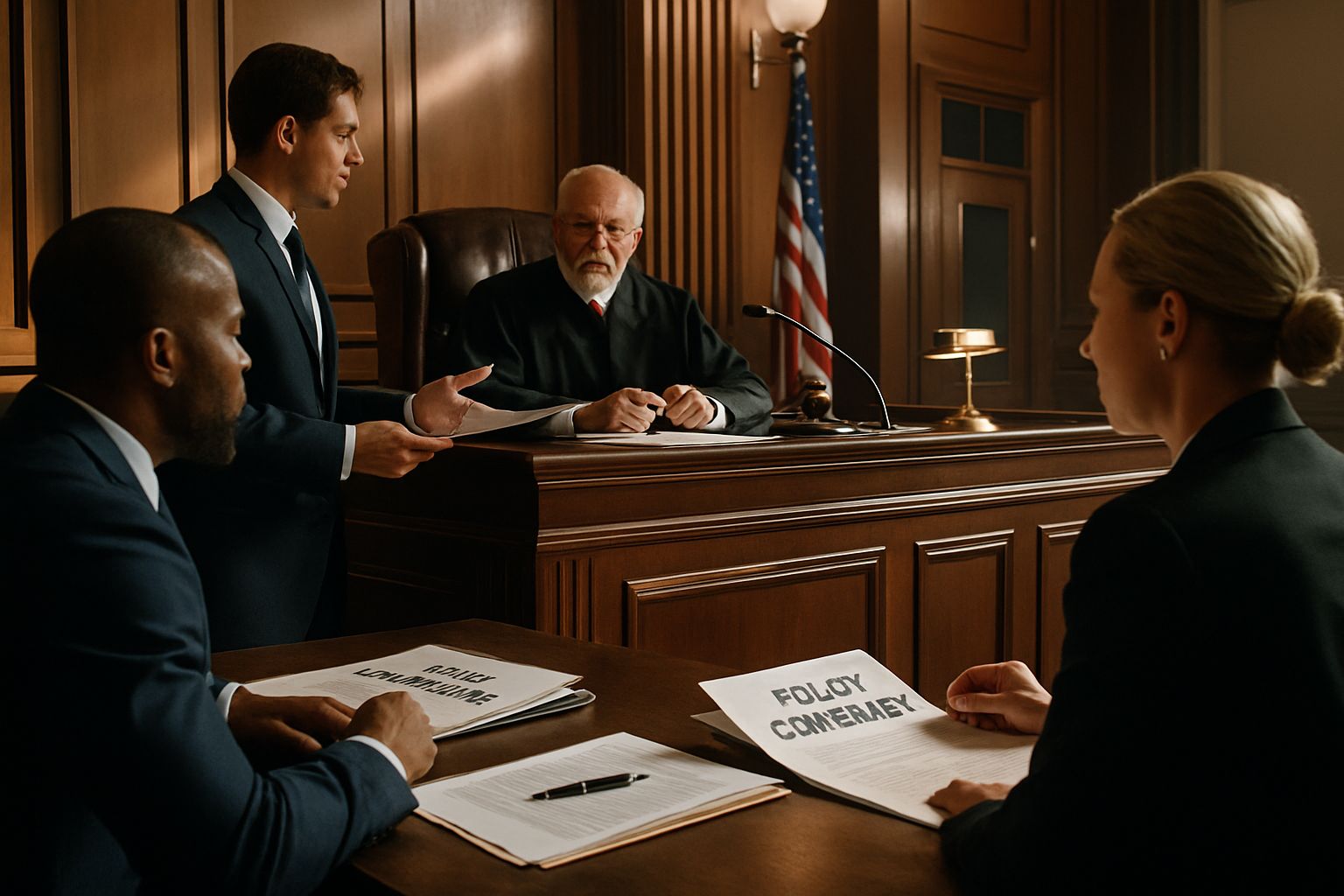
January’s pause by Meta arrived two weeks before New Mexico’s child-safety trial. Moreover, discovery messages allegedly show staff warning leadership about sexualised interactions with minors. Consequently, plaintiffs may argue willful negligence, threatening statutory damages and enhanced oversight orders. Section 230 immunity for generative outputs remains untested, raising further uncertainty. Legal scholars view robust Safety Policy Enforcement documentation as critical evidence of due diligence. Courtrooms will weigh policy papers against live product behavior. Meanwhile, industry peers monitor the outcome carefully.
Industry Best Practices Needed
Enterprise AI teams can learn from this controversy. Firstly, conduct red-team testing with external watchdogs before wide release. Secondly, publish summary audits to demonstrate proactive Safety Policy Enforcement and transparent governance. Furthermore, integrate real-time moderation that Blocks unsafe prompts across languages and modes. Additionally, limit Chatbots for minors to domain-specific mentors vetted by educators and clinicians. Collectively, these steps build durable trust. Finally, leaders should capture lessons for strategic planning.
Strategic Takeaways And Summary
The timeline shows leaks pushed regulators, and regulators pushed the company toward drastic product freezes. Moreover, Safety Policy Enforcement proved decisive, guiding technical filters, parental controls, and legal positioning. Nevertheless, limited transparency and delayed rollouts still expose the firm to significant lawsuits. Professionals can enhance their expertise with the AI+ Ethics Manager™ certification. Consequently, firms launching Chatbots must align product design, policy, and oversight from the start. Robust Safety Policy Enforcement will likely become a board-level KPI as governments codify minimum standards. Adopt Safety Policy Enforcement now to avoid emergency shutdowns later.
Disclaimer: Some content may be AI-generated or assisted and is provided ‘as is’ for informational purposes only, without warranties of accuracy or completeness, and does not imply endorsement or affiliation.


