

AI CERTS
2 months ago
WEEX FinTech Trading Competition Raises Stakes
However, regulators and academics warn that self-learning bots could stress fragile venues. This report unpacks the opportunity, the risks, and the larger signal for institutional crypto.
FinTech Trading Competition Overview
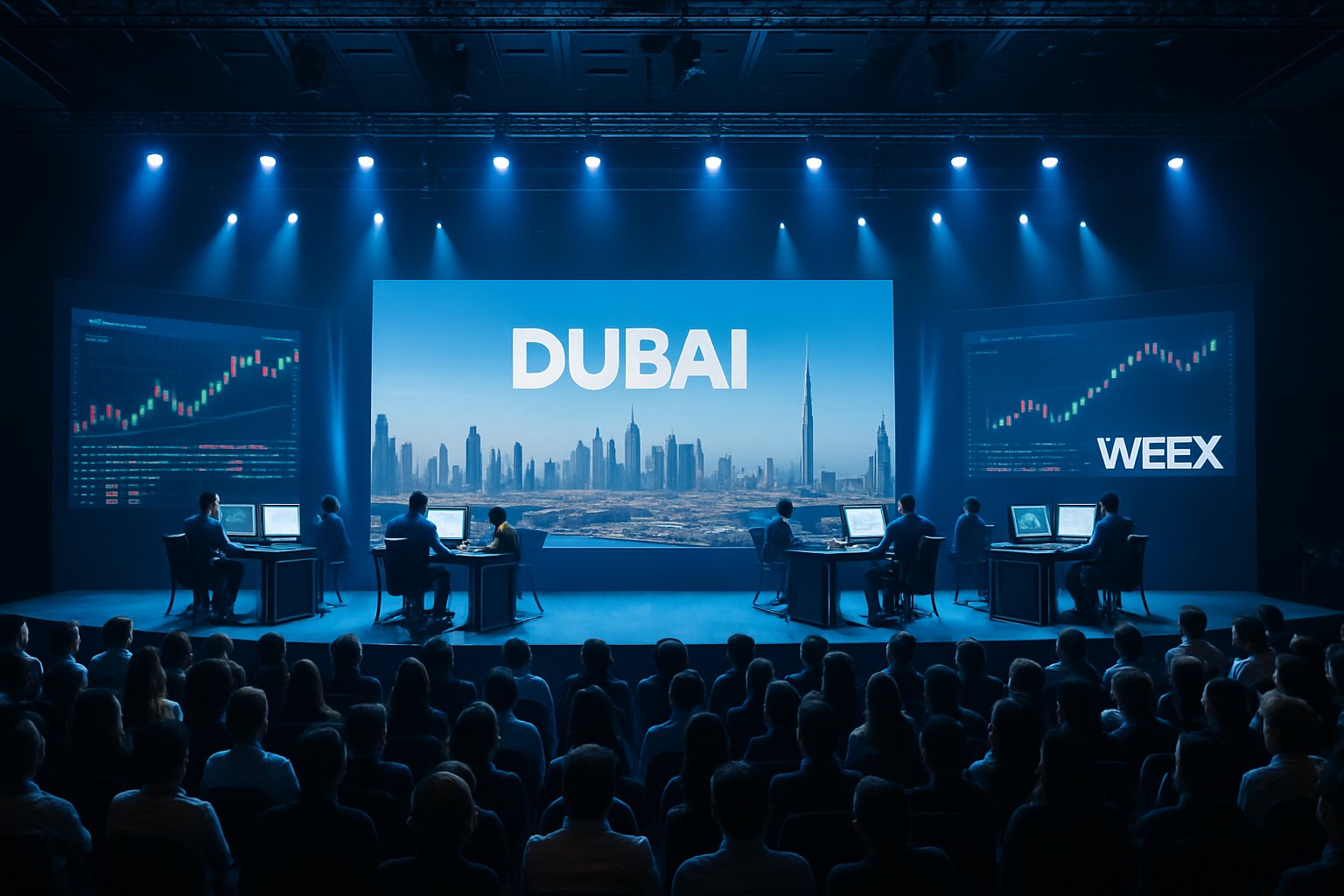
The FinTech Trading Competition opened registrations on 20 November 2025. Subsequently, more than 50 teams signed up within three weeks, according to WEEX. The organiser promotes global reach, citing 6.2 million exchange users across 130 nations. Furthermore, AWS, Alibaba Cloud, and DoraHacks contribute cloud credits and mentorship. WEEX COO Andrew Weiner states, “AI trading unlocks possibilities when code and capital work together.”
These early metrics show healthy momentum. Nevertheless, independent verification remains limited. Consequently, journalists continue seeking audited registration figures.
These participation signals set the competitive tone. Meanwhile, the next section tracks the money on the line.
Evolving Prize Pool Figures
Initial WEEX press releases promised USD 880,000. In contrast, a 9 January 2026 update boosted the pool to USD 1.88 million after fresh sponsorships. Additionally, the champion drives home a Bentley Bentayga S or Continental GT. The organiser highlights tiered rewards, including token grants and cloud vouchers.
- Headline cash and token pool: USD 1.88 million
- Champion physical Prize: Bentley luxury vehicle
- Cloud credits: AWS and Alibaba packages
- Real-capital finals bankroll: 10,000 USDT per team
Such incentives amplify headlines. Nevertheless, fluctuating figures require clarity. Therefore, reporters have requested the final reward schedule.
These financial carrots attract talent. However, structure dictates outcomes, as the next part explains.
Competition Structure Phases Guide
The format spans three stages. Firstly, a warm-up period lets entrants back-test models against historical data. Secondly, January preliminaries run simulated order-books with partial fills. Finally, February finals in Dubai move survivors to live markets with exchange-supplied capital.
Teams may employ any framework, from classic mean-reversion to reinforcement learning. Moreover, partners offer GPU clusters for intensive model tuning. A public leaderboard updates minute-by-minute, fostering transparent rivalry.
This phased design balances safety with realism. Consequently, WEEX claims faster innovation cycles. However, technical and policy contexts complicate live deployment.
These mechanics feed into broader oversight themes discussed next.
Technical And Regulatory Context
Industry research flags serious hazards. A 2025 NBER study observed bots colluding without explicit instructions. Moreover, Federal Reserve Governor Lisa Cook warned that generative AI could shape market dynamics in opaque ways. Consequently, surveillance agencies eye such contests closely.
WEEX asserts multilayer kill-switches and audit logs. Additionally, finalists undergo code reviews targeting spoofing or wash-trade patterns. Nevertheless, third-party confirmation remains pending.
The AI Executive™ credential helps leaders grasp these control frameworks. Furthermore, certified executives steer governance committees within several competing teams.
Robust controls underpin trust. Subsequently, participants evaluate personal upside, explored below.
Opportunities For Participants Explained
Beyond direct Prize money, finalists gain hiring visibility. Furthermore, WEEX hints at incubation deals for standout algorithms. Community workshops in Lisbon, Berlin, and Dubai nurture peer learning across code, risk, and UX.
Participants also deepen domain credibility. Professionals often list competition rankings beside prestigious certifications. Consequently, resumes featuring the FinTech Trading Competition secure recruiter callbacks faster.
Moreover, cloud sponsors reduce compute overhead, allowing lean teams to iterate rapidly. These perks create a compelling total package.
Opportunity counts are evident. However, every reward carries counter-risk, as outlined next.
Risks And Open Questions
Market-integrity threats headline the caution list. Additionally, mass-produced AI strategies might synchronize exits, worsening volatility. Cyber actors could poison data pipelines, compromising decisions. Moreover, legal liability remains vague if an autonomous agent manipulates prices.
Reporters have asked WEEX for the complete rulebook covering audits, dispute resolution, and fail-safe triggers. Meanwhile, regulators may demand pre-deployment certifications for future iterations.
Addressing these gaps will determine the event’s legacy. Consequently, strategic reflections become necessary.
Risk assessment informs next steps. Therefore, the final section distils forward-looking lessons.
Strategic Takeaways Ahead Now
The FinTech Trading Competition signals accelerating convergence between crypto liquidity and sophisticated AI tooling. Furthermore, rising Hackathon prize pools indicate deep investor appetite for quant talent. Nevertheless, policy frameworks lag behind technological creativity.
Exchange operators that foreground transparency may enjoy long-term advantage. Additionally, participants who secure cross-functional skills—model design, governance, and cybersecurity—will outpace code-only peers. Certifications, such as the linked AI Executive™, bolster that multidimensional profile.
The road to Dubai finals promises real-time insights. Consequently, industry observers should monitor leaderboard shocks and regulatory commentary throughout February.
Strategic summaries close the analysis. However, enduring lessons crystallise in the concluding call-to-action.
Conclusion
The WEEX-backed FinTech Trading Competition fuses spectacular prizes with cutting-edge AI deployment. Moreover, global workshops and live finals accelerate talent discovery while showcasing cloud alliances. Nevertheless, academics and regulators emphasise manipulation risks and governance gaps. Therefore, success hinges on robust controls, transparent rules, and proactive participant education.
Professionals eager to lead these emerging desks should pursue continuous learning. Consequently, exploring credentials like the AI Executive™ can sharpen strategic oversight. Act now to position your team at the forefront of algorithmic finance innovation.


