

AI CERTS
2 months ago
Amazon’s Corporate Communication Blunder Sparks Layoff Panic
Moreover, the incident came during ongoing restructuring across Amazon. The company had already trimmed 14,000 corporate roles in October 2025. Analysts now anticipate deeper reductions aligned with AI priorities. Therefore, clear messaging is vital when headcount moves evolve.
Timeline Of Erroneous Invite
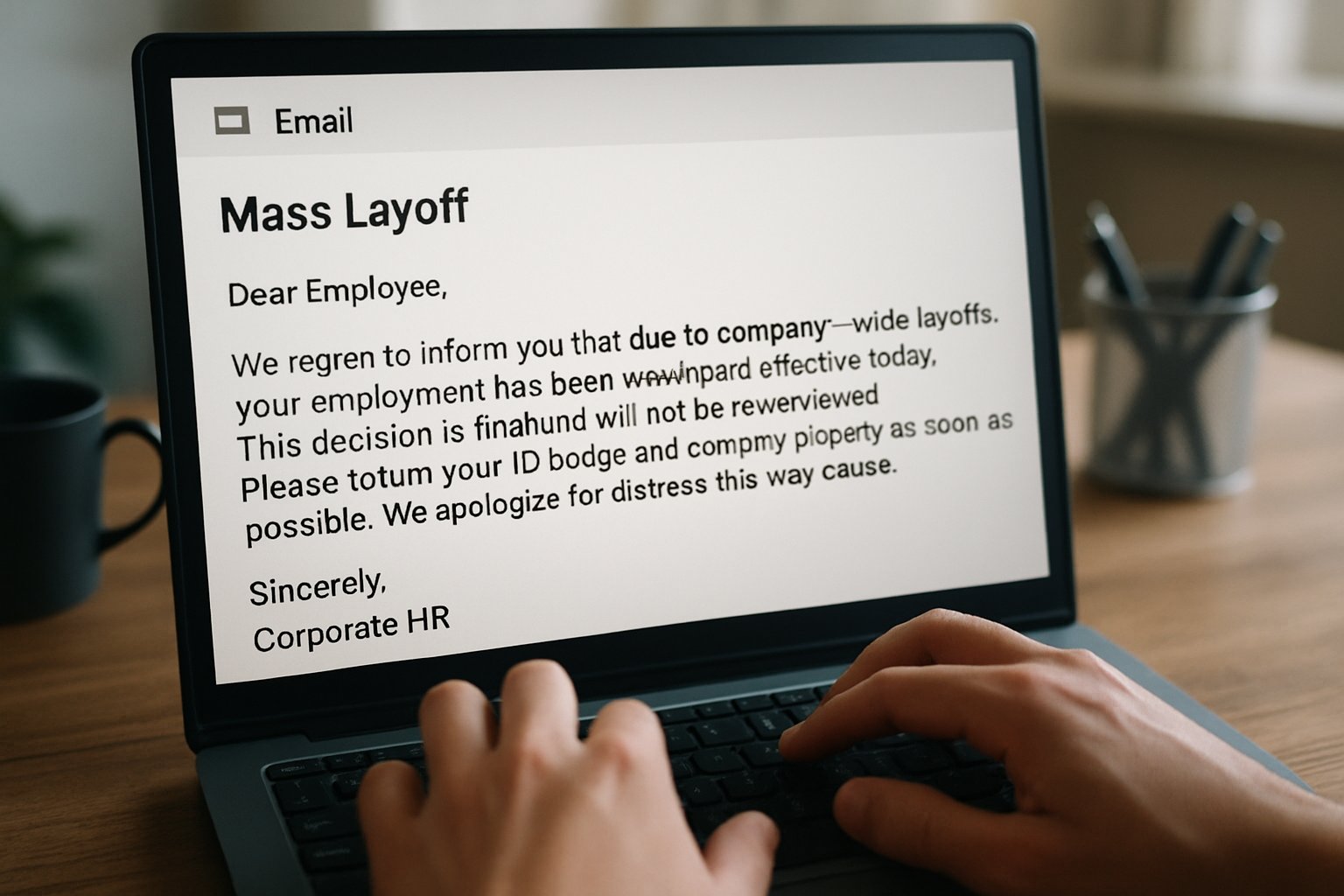
The invite originated from an assistant in Colleen Aubrey’s office. It was stamped 27 January and referenced a 28 January send time. Subsequently, Amazon cancelled the invite within minutes. Nevertheless, screenshots flooded internal Slack channels before removal.
Reuters, BBC, and Business Insider viewed the draft. It stated that affected staff in the United States, Canada, and Costa Rica had already been told. In contrast, no official notifications had actually occurred.
Draft Message Analysis Data
Reporters saw empathetic language: “Changes like this are hard on everyone….” The draft highlighted efficiency goals and future success for AWS. However, its premature release created a second Corporate Communication Blunder by misinforming recipients.
Key timeline checkpoints now guide legal reviewers:
- 27 Jan 2026, 11:04 a.m. PST – Invite issued
- 27 Jan 2026, 11:07 a.m. PST – Invite cancelled
- 27 Jan 2026, 11:20 a.m. PST – Screenshots circulate internally
- 27 Jan 2026, 12:45 p.m. PST – Reuters publishes first alert
The sequence underscores how minutes matter during sensitive disclosures. Consequently, risk teams must audit calendar permissions.
These events revealed process gaps. Meanwhile, employees awaited clarification from leadership.
Immediate Employee Reactions Detail
Slack channels erupted with speculation. Some workers asked managers about severance details. Others searched WARN databases for filings. Additionally, rumors about 30,000 future cuts intensified anxiety.
Mental safety suffered alongside productivity. Employees recounted stopping client calls to read updates. One engineer tweeted, “I learned I might be jobless from Outlook, not HR.” That quote encapsulates how a Corporate Communication Blunder damages trust.
Amazon eventually told reporters the invite was “sent in error.” Nevertheless, no internal memo followed within the first 24 hours. Therefore, uncertainty lingered inside AWS.
Legal Compliance Questions Raised
U.S. employers must satisfy the WARN Act when executing mass layoffs. The law requires 60 days’ notice under defined thresholds. Consequently, premature drafts complicate compliance schedules.
Employment attorney Lisa Parker notes, “Courts examine actual notice, not accidental notice.” Therefore, the invite may not satisfy WARN. However, regulators could scrutinize timelines if layoffs proceed without formal documents.
Canada and Costa Rica impose similar obligations. Furthermore, state rapid-response portals publish notices quickly. Reporters will monitor those filings for concrete numbers. Another Corporate Communication Blunder could worsen legal exposure.
Professionals can enhance their expertise with the AI Human Resources™ certification. That program explores layoff compliance and crisis messaging.
Robust legal review reduces fines. However, only disciplined communication sequencing prevents panic before statutory deadlines.
Reputation And Culture Fallout
Brand perception suffered beyond internal halls. Media framed the mishap as evidence of chaotic governance while Amazon doubles down on AI. Moreover, investors worry about execution risk during strategic pivots.
Meanwhile, culture experts warn that silent periods erode psychological safety. Consequently, voluntary attrition can spike. A second Corporate Communication Blunder might accelerate talent flight toward competitors.
The following impacts often follow bungled messaging:
- Lower engagement scores over six months
- Higher recruitment costs to replace departed staff
- Critical project delays amid team turnover
These factors carry hidden financial costs. Therefore, leadership transparency becomes a strategic asset.
Future Restructuring Signals Ahead
Analysts expect Amazon to shift resources toward generative AI tooling. AWS revenue growth slowed last quarter. Consequently, investors favor leaner structures.
If layoffs near 30,000 roles, clear sequencing matters. Another Corporate Communication Blunder would amplify scrutiny from regulators and unions.
Credible communication plans must precede each wave. Furthermore, cross-functional rehearsal reduces execution errors.
Best Practice Playbook Ahead
Several tactics help enterprises avoid similar crises. Firstly, limit calendar access for draft material. Secondly, stage approval gates requiring HR and legal sign-off. Additionally, prepare real-time FAQs for managers.
Crisis consultant Ravi Mehta advises simulated drills. He states, “Teams should rehearse every click.” That approach lowers the chance of a final Corporate Communication Blunder.
Recommended corrective steps include:
- Issue an immediate clarifying statement to all employees
- Provide dedicated support lines for affected staff
- Disclose timeline commitments to regulators and media
- Collect post-incident feedback for process updates
These measures rebuild confidence quickly. Moreover, they demonstrate accountability to external stakeholders.
Adopting proven frameworks turns missteps into learning moments. Subsequently, organizations can strengthen their communication muscles before future transformations.
Collectively, these strategies show that transparency, legal rigor, and empathy must converge. However, execution discipline remains the deciding factor. Another lapse could trigger yet another costly Corporate Communication Blunder.
In summary, Amazon’s error stemmed from process cracks amid sweeping change. The invite leaked sensitive layoff details, spooking staff and drawing global headlines. Legal, cultural, and reputational stakes quickly surfaced. Consequently, the episode offers a textbook study on how not to announce workforce changes.
Leaders can learn and adapt. Meanwhile, professionals can deepen their crisis-messaging expertise through the linked certification above. Acting now safeguards future announcements against similar pitfalls.


