

AI CERTs
2 months ago
Nudify apps removal sparks major store crackdown
Images that strip clothing without consent moved from fringe websites to popular app stores within months. However, the trend met swift resistance last week. A Tech Transparency Project (TTP) investigation exposed more than one hundred AI “nudify” tools in Apple and Google marketplaces. Consequently, both companies initiated an unprecedented [PK] campaign, purging dozens of offending titles. App developers, regulators, and security teams now face new scrutiny. Meanwhile, industry professionals seek clarity on the wider implications.
Watchdog Report Sparks Action
On 27 January 2026, TTP published its explosive findings. The report documented 55 nudify apps on Google Play and 47 on Apple’s store. Furthermore, TTP demonstrated how simple prompts could create non-consensual intimate imagery in seconds. Investigators described the software as “designed for abuse.” In contrast, developers marketed the apps as harmless photo fun. Katie Paul, TTP director, warned that mainstream distribution normalised image-based sexual violence.
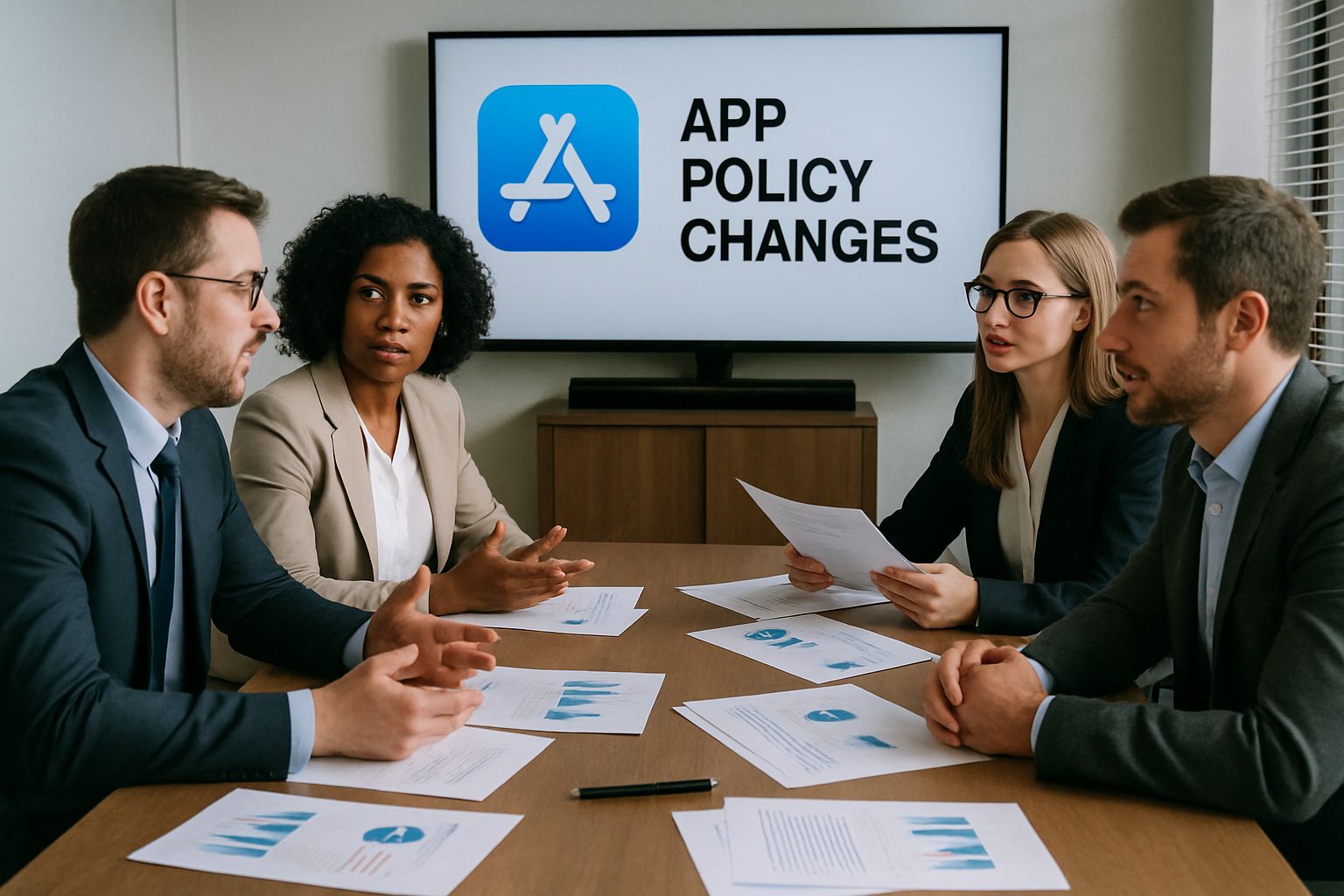
Apple responded within hours. The company told journalists it removed 28 flagged titles; TTP later counted only 24 disappearing. Google initially suspended several apps, then confirmed additional takedowns. Consequently, [PK] became headline news across technology outlets. These early moves set the stage for deeper policy questions.
Swift removals illustrate potential gains for App Store safety. Nevertheless, inconsistent numbers highlight lingering gaps. Therefore, observers await updated tallies and clearer enforcement metrics.
App Stores Response Timeline
Chronology clarifies momentum. Initially, developers enjoyed generous storefront visibility despite explicit policies. Subsequently, TTP shared its dataset directly with both platforms. Apple acted first, purging many apps by 28 January. Meanwhile, Google conducted a rolling review, reaching 31 removals by 30 January. Moreover, each company vowed continued monitoring.
Lawmakers amplified pressure. Senators Ron Wyden and Ed Markey demanded tougher review pipelines. UK regulator Ofcom and the European Commission also opened inquiries into related X/Grok content. Consequently, the phrase [PK] dominated legislative hearings and press briefings.
These events reinforce calls for predictable App Store safety audits. However, stakeholders still debate the right balance between speed and developer rights. The next section explores scale, revenue, and potential conflicts.
Staggering Scale Now Revealed
Download And Revenue Stats
TTP partnered with AppMagic to quantify reach. Collectively, the 102 flagged apps amassed over 705 million downloads and generated about $117 million in lifetime revenue. Additionally, app stores earned commission on each in-app purchase, creating a monetary incentive misaligned with policy goals. Therefore, [PK] also represents a financial reckoning.
Popular Offending App Examples
DreamFace exceeded 10 million downloads while earning roughly $1 million. Collart logged seven million downloads and more than $2 million in sales. WonderSnap passed 500,000 installs, producing topless deepfakes during TTP tests. Moreover, many apps carried teen age ratings, worsening App Store safety concerns.
- 102 nudify apps identified across both stores
- 705 million+ total downloads reported
- $117 million estimated lifetime revenue
- 38 titles available on both platforms simultaneously
These numbers underscore the commercial engine behind harmful content. Consequently, risk mitigation must address monetisation structures as well as technical detection. This insight leads naturally to regulatory escalation.
Regulatory Heat Intensifies Worldwide
Global watchdogs reacted quickly after the Google Play report surfaced. UK Ofcom launched a formal probe into X/Grok over sexualised images. Meanwhile, the European Commission began Digital Services Act proceedings against xAI. California’s attorney general opened a parallel investigation. Furthermore, U.S. senators urged Apple and Google to strengthen review pipelines and publish transparent audits.
Experts believe these cases may establish precedent for platform liability. Mary Anne Franks, law professor, noted that non-consensual deepfakes disproportionately harm women and girls. Consequently, governments could classify nudify software alongside illegal image-based sexual abuse tools. The ongoing spotlight keeps [PK] high on policy agendas.
Regulatory momentum raises compliance costs for developers. However, it also promises clearer guardrails, benefiting legitimate innovation. The following section explores security implications that regulators prioritise.
Security And Privacy Risks
Technical risks stretch beyond reputational harm. Additionally, TTP found several apps routing user images to overseas servers, including China. Such transfers raise questions about data sovereignty and potential state access. Consequently, Google Play report authors urged immediate transparency on storage practices.
Privacy scholars warn that intimate photos, once uploaded, may persist indefinitely. Moreover, developers seldom publish retention periods or deletion protocols. In contrast, enterprise AI vendors often follow strict ISO frameworks. Strengthening App Store safety depends on aligning consumer apps with similar standards.
Professionals seeking structured guidance can deepen expertise through the AI Data Specialist™ certification. Mastery of robust data-handling principles equips teams to avoid future [PK] incidents.
These security gaps amplify calls for pre-publication audits. Consequently, industry players examine broader business impacts next.
Industry Implications Lie Ahead
Marketplace trust intertwines with revenue. Furthermore, advertisers worry about brand adjacency to abusive content. Meta already filed lawsuits against third-party nudify promoters, reflecting growing intolerance. Consequently, [PK] accelerates a shift toward zero-tolerance advertising policies.
Developers building generative AI features must now budget for intensive compliance reviews. In contrast, early movers once shipped minimal-viable products with limited oversight. Moreover, venture capital firms increasingly factor regulatory alignment into funding decisions. The latest Google Play report reinforces that calculus.
These evolving dynamics reshape product roadmaps. However, developers still control many levers, as the next section details.
Best Practices For Developers
Teams should adopt proactive measures to maintain store access and user trust. Additionally, embedding safety layers early reduces costly retrofits.
- Implement robust content filters before user output renders.
- Store uploads using region-locked, encrypted infrastructure.
- Publish clear privacy, deletion, and moderation policies.
- Conduct red-team testing with external experts regularly.
- Monitor policy updates for App Store safety and respond rapidly.
Furthermore, enrolling staff in the AI Data Specialist™ program builds crucial governance skills. Consequently, organisations position themselves to avoid future [PK] scenarios.
These steps create a defensible posture. Meanwhile, ongoing dialogue between platforms and developers remains essential for sustainable innovation.
Conclusion And Outlook
The rapid [PK] has redefined acceptable AI tooling. Moreover, it spotlighted major shortcomings in both app review systems and developer safeguards. Regulators, advertisers, and users now demand reliable App Store safety and transparent processes. Consequently, policy pressure on Apple and Google will likely intensify.
Professionals should track each forthcoming Google Play report and corresponding enforcement update. Additionally, acquiring certified data governance skills will prove invaluable. Therefore, explore the linked certification today and lead responsible AI development with confidence.


