

AI CERTS
2 months ago
Primax doubles down on Sensor Fusion Tech leadership
Primax already showcased integrated audio-vision systems at CES 2025, signaling multichannel ambitions. However, directional microphones promise simpler architectures with lower compute overhead. Therefore, the investment underscores competitive urgency across conferencing, automotive, robotics, and safety markets. This article unpacks strategy, technology, market numbers, and execution challenges behind the Sensor Fusion Tech push.
Primax Deal Strategy Explained
Primax positions itself as a vertically integrated ODM with vision, audio, and interface expertise. Moreover, Chairman Jack Pan said the Soundskrit partnership “strengthens our long-term Sensor Fusion Tech platform” across domains. The company previously joined Microsoft’s Device Ecosystem Platform to reach enterprise conferencing buyers. Subsequently, the strategic investment closes an audio gap while reinforcing that broader systems roadmap.
Soundskrit unlocks immediate audio differentiation for Primax. Consequently, attention now shifts to microphone performance benefits. The next step examines how directional audio delivers that value.
Directional Audio Value Proposition
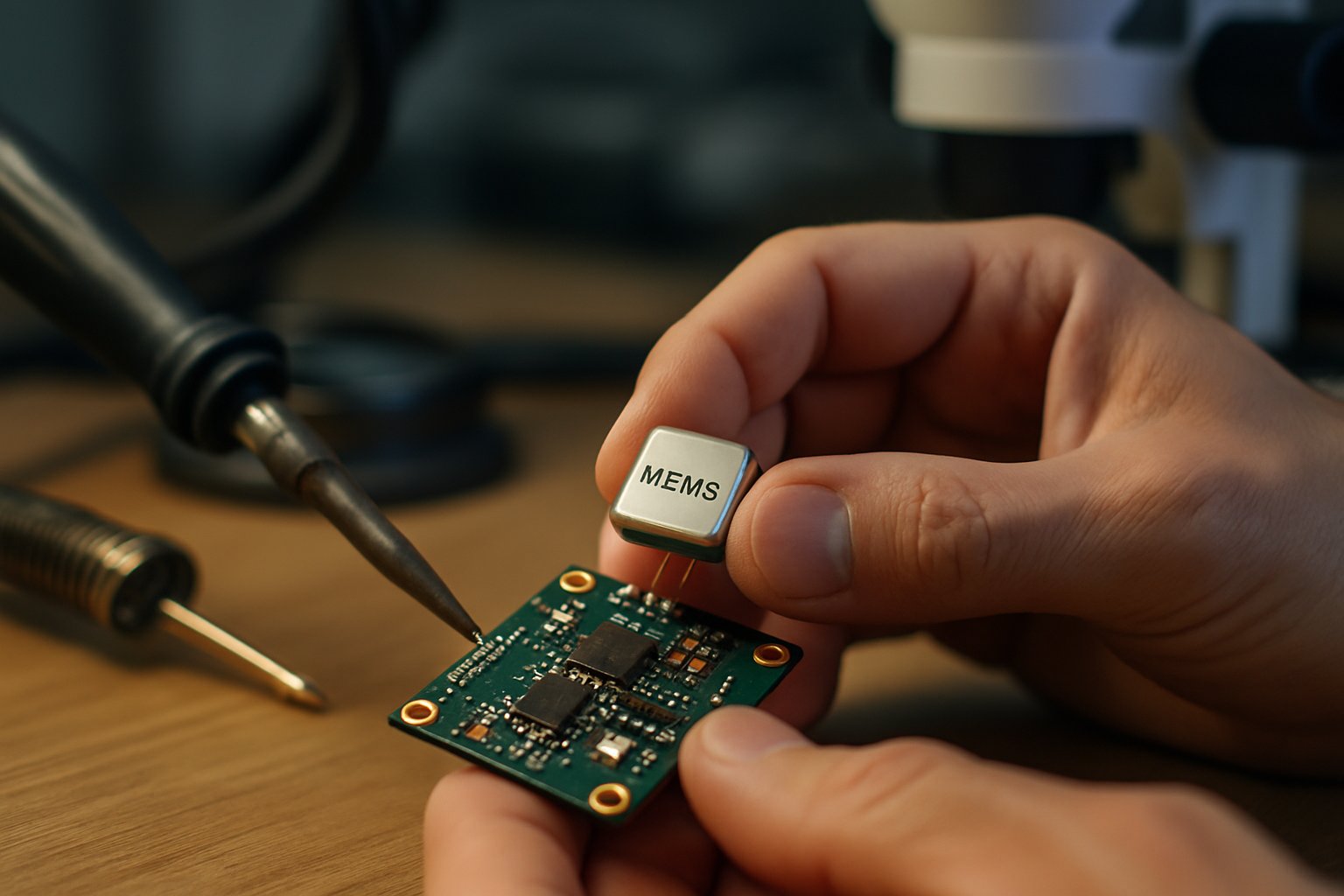
Directional MEMS microphones capture sound from preferred angles while rejecting ambient noise. Furthermore, Soundskrit’s SKR0600 achieves about 67.5 dBA SNR, outperforming many legacy parts. This high SNR lets engineers cut array size and reduce post-processing cycles. In contrast, conventional beamforming demands multiple mics, heavier DSP, and costlier tuning.
Therefore, integrating the hardware can shrink bill of materials for Edge AI conferencing bars and in-cabin assistants. Primax claims that combination elevates its Sensor Fusion Tech pipeline, combining audio and vision context snappily.
Directional capture improves accuracy while saving power. Nevertheless, benefits depend on measurable system-level gains. Market data clarifies why those gains matter.
Market Growth Numbers Snapshot
Global demand for sophisticated sensing keeps rising. According to Mordor Intelligence, sensor fusion revenue may grow from USD 8.75B in 2025 to 18.22B by 2030. Moreover, MEMS microphone revenue could reach about USD 3.38B by 2031, led by high-SNR devices.
Key figures highlight the scale.
- Approximately 15.8% CAGR expected for sensor fusion through 2030.
- Directional MEMS microphone segment shows fastest sub-category growth.
- Edge AI devices drive multi-sensor attach rates across industries.
Consequently, suppliers with differentiated Sensor Fusion Tech stand to capture disproportionate share. Those market realities set fierce competitive dynamics.
Forecasts validate Primax’s aggressive timing. However, multiple vendors chase the opportunity. Competitive pressures and missing details deserve inspection.
Competitive Landscape And Gaps
Primax faces rivals like Knowles, AAC, Goertek, and STMicroelectronics. Meanwhile, platform providers such as Analog Devices and NXP bundle sensor fusion reference designs. Nevertheless, few competitors own manufacturing scale plus vertically integrated service models.
Soundskrit adds proprietary MEMS microphone IP, potentially widening differentiation. Yet, unannounced financial terms obscure Primax’s risk exposure and expected returns. Additionally, no shipment timeline for products using new Sensor Fusion Tech has surfaced.
Competitive headwinds remain significant. Therefore, transparency and speed will influence customer adoption. Integration hurdles illustrate those adoption risks.
Integration Challenges Loom Ahead
Integrating directional microphones demands careful enclosure design and acoustic modeling. Moreover, engineers must retune algorithms when mechanical layouts shift during late design changes. Supply reliability also matters because automotive and enterprise buyers require multi-year commitments.
In contrast, traditional arrays rely on widely available components with proven logistics. Privacy regulation introduces another layer, requiring strict on-device inference and firmware governance. Primax insists its Sensor Fusion Tech approach keeps data local, easing compliance burdens.
Technical, supply, and policy issues could delay rollouts. Consequently, structured validation becomes essential. Skill development can mitigate some obstacles.
Upskilling For Emerging Demand
Product teams need deeper cross-disciplinary knowledge covering audio physics, ML, and hardware security. Furthermore, professionals can validate competence through the AI Engineer™ certification. That program complements Primax’s focus on Edge AI centric Sensor Fusion Tech solutions.
Additionally, OEM engineers should master MEMS microphone integration, signal conditioning, and embedded inference tools. Training yields faster design cycles while reducing costly validation loops.
Educated teams accelerate high-quality deployments. Therefore, certification paths align tightly with roadmap needs. Final considerations wrap the story next.
Conclusion And Next Steps
Primax’s Soundskrit deal marks a decisive step for audio-centric Sensor Fusion Tech adoption. Market momentum, rising Edge AI demand, and booming MEMS microphone volumes create favorable conditions. However, competitive pressure and integration complexity could still derail schedules.
Consequently, transparent roadmaps, rigorous validation, and skilled teams remain mission-critical. Organizations that master these elements will unlock meaningful value from Sensor Fusion Tech while delivering differentiated products. Meanwhile, proactive professionals should pursue advanced certifications to stay ahead of the curve. Take the next step and bolster your expertise today.


