

AI CERTS
2 months ago
Tech Giants Embrace Production AI Development
Furthermore, executives now disclose double-digit percentages of repositories authored or reviewed by algorithms. Security chiefs, meanwhile, scramble to update controls before automated pull requests flood continuous integration. Regulators, open-source maintainers, and investors also demand clear answers on risk, value, and provenance. This article examines the latest data, stakeholder concerns, and practical guardrails shaping the shift.
Readers will gain actionable insight into adoption metrics, strategic motivations, and emerging governance patterns. Ultimately, understanding these dynamics will help leaders steer engineering roadmaps responsibly during the coming upheaval.
Executives Claim Code Surge
Executives now quantify AI code share with surprising candor. At LlamaCon, Microsoft chief Satya Nadella estimated 30% of internal commits came from software. Meanwhile, Meta CEO Mark Zuckerberg predicted automated assistants will handle half of development within twelve months.
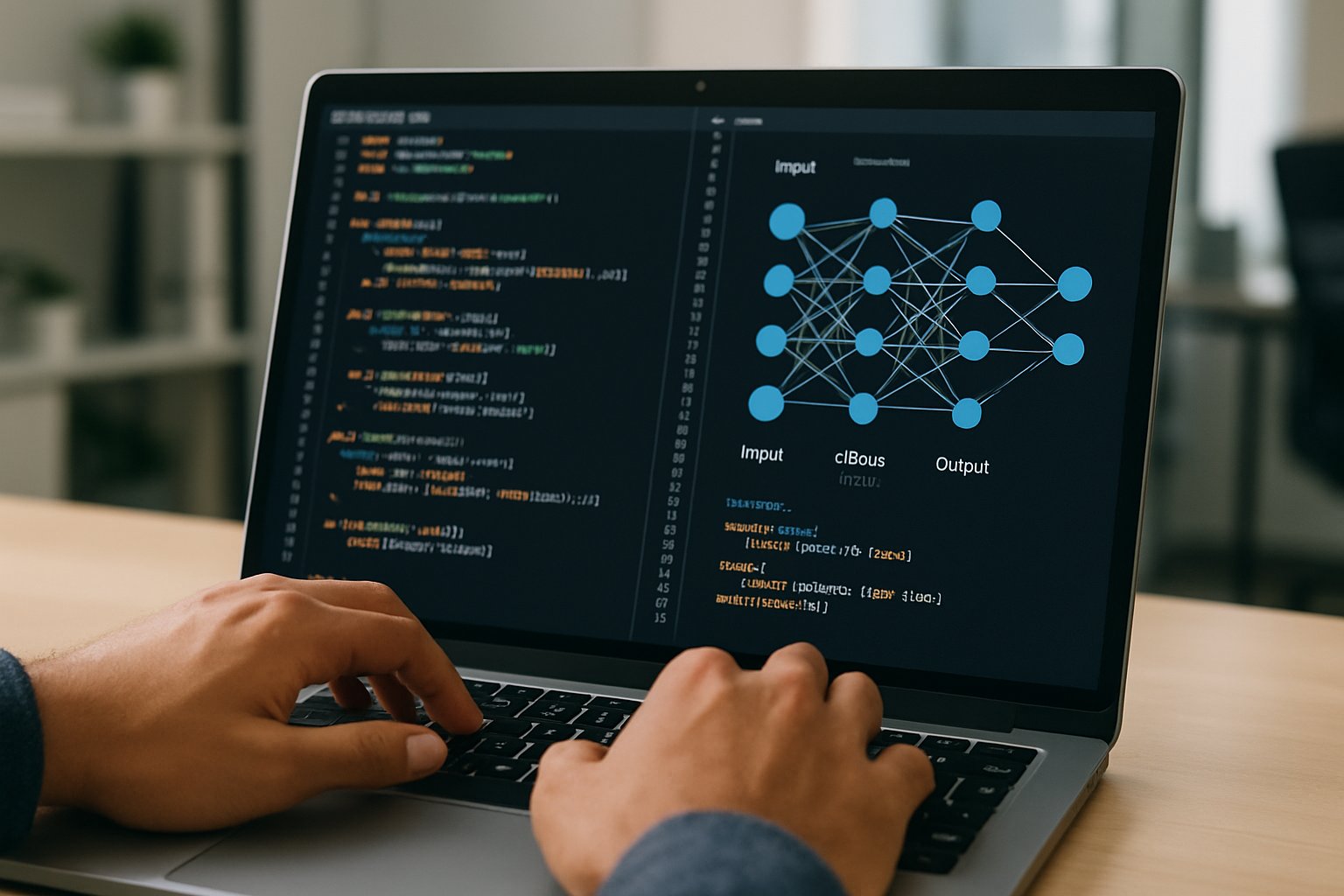
The search giant offered similar numbers during its 2024 earnings call. CEO Sundar Pichai reported that more than a quarter of new Google code is machine generated. GitHub’s Octoverse data corroborated these claims by showing explosive Copilot adoption across millions of repositories.
Such disclosures highlight aggressive scaling of Production AI Development beyond experimental sandboxes. However, measurement approaches vary, covering lines, files, or pull requests with differing revision rates. Therefore, percentages quoted onstage remain directional rather than audited metrics.
Leadership comments confirm material momentum behind algorithmic coding across every major platform company. Nevertheless, rising speed introduces significant security questions addressed in the next section.
Security Concerns Intensify Rapidly
Security researchers warn that velocity without discipline magnifies exposure. Snyk scanned AI-generated snippets and found vulnerability rates hovering near 40% for some languages. Moreover, OWASP listed prompt injection and agentic attack chains among top emerging risks.
Application security vendors therefore released GenAI toolkits that integrate scanning directly into IDE extensions. Microsoft, Google, and GitHub each incorporated automated policy gates to reject unsafe suggestions before merge. Consequently, defenders race to match the output scale now achieved by automated coders.
Key Vulnerability Statistics Revealed
Recent public numbers illustrate the urgency.
- Microsoft scans: 35% of AI pull requests needed security fixes.
- Google audits: 27% of generated methods lacked input validation.
- Snyk study: 41% of Copilot snippets carried critical vulnerabilities.
- Survey data: 52% of developers distrusted AI security by default.
These numbers underscore that Production AI Development can amplify defect volume without rigorous oversight. Therefore, organizations are erecting new defensive layers, yet open source communities pursue different tactics.
Open Source Pushback Grows
In contrast, several open-source maintainers responded with outright bans on AI code. Cloud Hypervisor, for example, rejects contributions lacking clear human authorship to avoid license conflicts. Moreover, other projects require provenance tags to mark generated fragments for later audits.
Community leaders argue that opaque model training threatens reciprocal licensing obligations. Nevertheless, corporations like Microsoft and Meta contend that contribution guidelines can evolve alongside better attribution tooling. GitHub also pilots signed provenance metadata embedded within commits to satisfy divergent policy demands.
Debate reveals cultural tension between transparency ideals and enterprise velocity goals. Next, we examine governance approaches attempting to reconcile those competing pressures.
Guardrails And Governance Evolve
Enterprises now design layered guardrails that blend process, tooling, and policy. Firstly, provenance tagging flags lines produced during Production AI Development for mandatory human review. Secondly, continuous integration blocks releases when static analysis detects unsafe constructs.
Additionally, legal teams monitor commits for potential license contamination using scan engines and manual spot checks. Consequently, governance boards track metrics like unreviewed AI lines and post-deployment incident rates. Major firms now report quarterly on these indicators to their executive security councils.
Technology vendors simultaneously embed safeguards inside model prompts, restricting dangerous API patterns. Google inserts context about project policies so suggestions align with internal security standards. However, no framework yet eliminates human accountability.
Effective governance therefore combines automation with robust accountability structures. The shift also rewrites required engineering skills, which we explore next.
Skills And Workforce Shifts
Automation changes developer roles rather than removing them. Engineers increasingly curate prompts, evaluate agentic pull requests, and architect reusable orchestration patterns. Moreover, demand rises for specialists who understand both machine learning and secure software pipelines.
Professionals can enhance their expertise with the AI Engineer certification. Such credentials validate competence in Production AI Development practices, governance, and risk mitigation. Meanwhile, Microsoft and Google now list prompt engineering experience in many job postings.
Meta reorganized several teams to partner junior coders with automated code agents. Consequently, mentors focus on system design while machines draft boilerplate components. Nevertheless, sustaining talent pipelines still requires opportunities for deep code comprehension and debugging.
Skill evolution supports productivity gains yet demands continued educational investment. Finally, decision makers should chart practical next steps to navigate this transformation safely.
Strategic Industry Next Steps
Executives considering large-scale rollout should start with transparent metrics. Define exactly how much code the organization counts as AI authored, reviewed, or modified. Therefore, publish baseline security, performance, and reliability indicators before automating further.
Secondly, adopt layered defenses integrating SAST, provenance tags, and policy gates across GitHub and cloud pipelines. Subsequently, track vulnerability closure time to measure guardrail effectiveness over multiple quarters. Include external audits to reassure regulators and ecosystem partners like open-source communities.
Thirdly, invest in continuous learning programs tied to recognized certifications and internal sandbox experimentation. Google, Microsoft, and Meta all report improved morale when teams see clear career pathways. Consequently, workforce engagement supports sustained adoption without eroding engineering craftsmanship.
These actions enable disciplined scaling of Production AI Development while protecting customers and brand reputation. The conclusion consolidates key insights and offers a concise call to action.
Conclusion
Technology leaders now accept that Production AI Development is no longer optional; it defines competitive cadence. However, Production AI Development delivers value only when paired with measurable guardrails and transparent metrics. Organizations must therefore balance speed with security, legal clarity, and sustainable talent growth. Creating cross-functional councils, embedding provenance tags, and upskilling staff can keep Production AI Development resilient. Consequently, early adopters already gain efficiency while containing risk. Readers ready to lead should explore advanced training and pursue the linked certification for strategic advantage. Visit our resources hub to deepen your understanding and operationalize Production AI Development immediately.


