

AI CERTs
2 months ago
OpenAI Codex roadmap: imminent upgrades, security focus
Developers have watched OpenAI Codex evolve fast over the past year. Moreover, Sam Altman’s recent X tease hints at another acceleration. Next-week feature launches appear likely, yet this is no first release. Instead, the news signals incremental upgrades that could reshape AI Coding workflows again.
Consequently, technical leaders need clarity. This report reviews Codex history, verified performance, security posture, and competitive context. The goal is simple: help engineering teams plan for the looming updates without hype distractions.
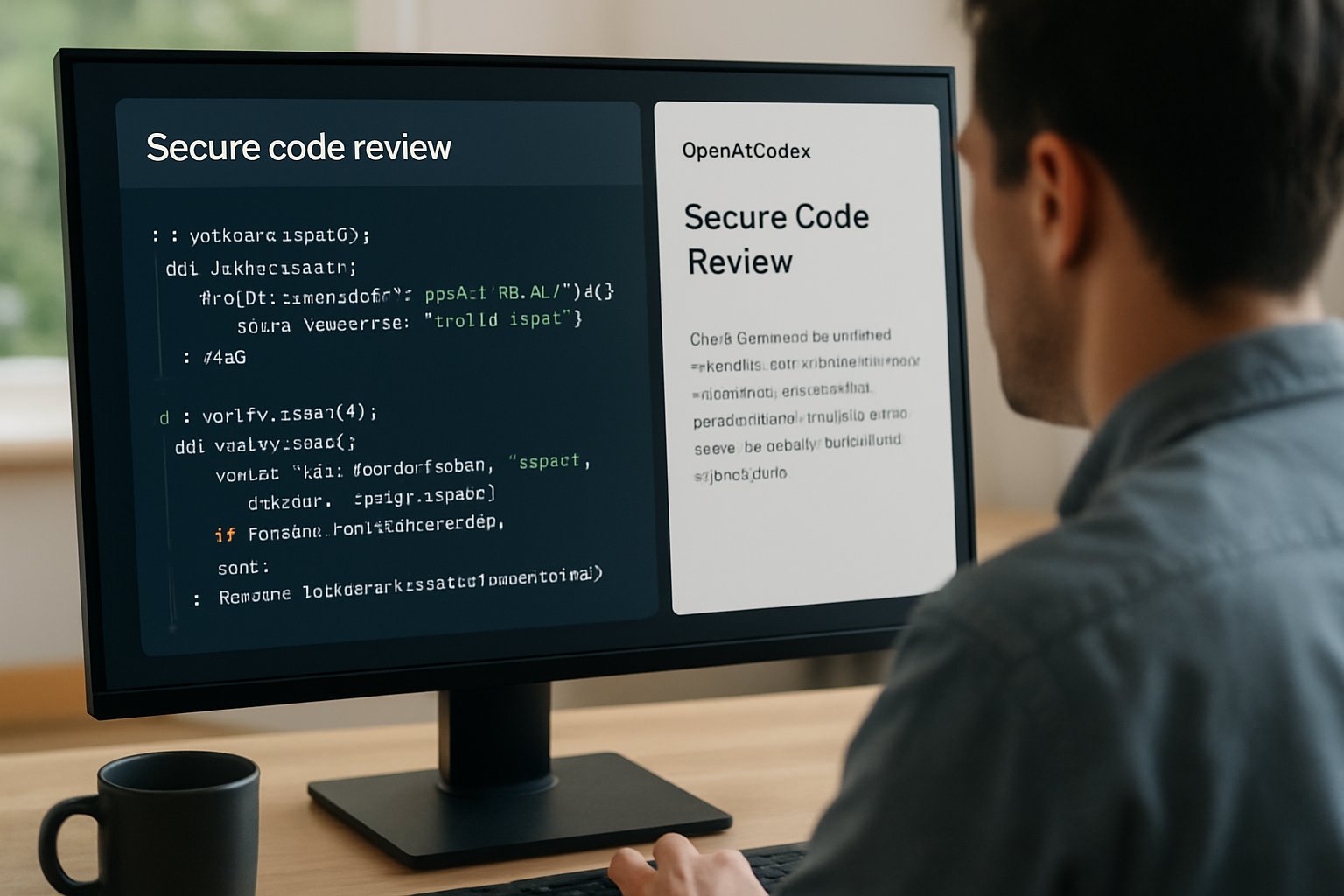
Codex Journey So Far
OpenAI shipped the initial Codex research preview on 16 May 2025. Furthermore, the assistant reached ChatGPT Pro, Business, and Enterprise users that same month. September later brought GPT-5-Codex, delivering dynamic thinking time and multi-hour autonomy.
October saw general availability plus Slack integration. Subsequently, GPT-5.2-Codex landed on 18 Dec 2025, boosting cybersecurity capabilities. Industry coverage credits a 74.5 percent SWE-bench success rate, dwarfing earlier models.
Nevertheless, Altman’s January posts imply more rollouts inside ChatGPT, API, or IDE surfaces. Press outlets quote him saying, “first launch scheduled for next week.” Official confirmation remains pending.
These milestones chart rapid iteration. However, each phase kept human oversight central, reflecting OpenAI’s Preparedness Framework.
Summary: Codex already operates widely, yet fresh updates loom. Therefore, teams should treat next week as an expansion, not a debut.
Upcoming Launch Details Ahead
Verified specifics remain scarce. Nevertheless, several patterns hint at what may arrive. First, OpenAI often pairs model snapshots with new tooling surfaces. In contrast, the December release focused on model quality alone.
Secondly, Altman referenced “Cybersecurity High level” compliance. Consequently, an enterprise security console or trusted-access pilot could surface. Thirdly, API self-service for GPT-5.2-Codex has lingered in waitlist status; availability may finally unlock.
Industry observers predict phased rollout, starting with paid ChatGPT tiers. Meanwhile, developers should monitor official channels for rate-limit notices.
- Possible next-week drops: GPT-5.3-Codex beta
- Expanded IDE plugin for VS Code and JetBrains
- Admin dashboards with vulnerability controls
Summary: Precise launch items remain under wraps. Nevertheless, pattern analysis suggests model, API, and security features. Consequently, readiness planning is prudent.
Technical Gains And Benchmarks
Benchmarks guide purchasing decisions. Moreover, GPT-5-Codex already posts standout numbers. TechRadar cites 74.5 percent accuracy on SWE-bench Verified, versus 51.3 percent for Refactor.
Additionally, token efficiency improved by 93.7 percent on trivial tasks, redirecting compute toward complex flows. Alexander Embiricos attributes success to dynamic thinking, letting the agent “spend more time mid-task.”
Should GPT-5.3-Codex appear, expect incremental but meaningful gains. In contrast, broad autonomy leaps seem unlikely until major architecture changes.
Teams leveraging AI Coding agents will still need unit tests and code review. Nevertheless, higher baseline quality reduces iteration loops.
Summary: Codex’s measured gains show compound momentum. Therefore, each upgrade can shave additional engineering hours.
Security And Governance Focus
Powerful OpenAI Codex agents raise dual-use concerns. Consequently, OpenAI escalated its Preparedness Framework rating to “Cybersecurity High.” That label triggers stricter rollout gates and audit hooks.
GPT-5.2-Codex added sandbox isolation, richer terminal logs, and citation trails. Furthermore, defensive tooling identifies exploit-like code segments. Nevertheless, full autonomy remains gated behind human approval flows.
Security researchers demand external transparency. Meanwhile, enterprises want compliance mapping. Professionals can enhance their expertise with the AI Network Security™ certification.
Summary: Security features grow alongside capability. However, governance guardrails will likely tighten further during the next release.
Market Landscape And Competition
Competition intensifies weekly. GitHub Copilot remains entrenched, while Anthropic’s Claude Code targets large-scale refactors. Moreover, Google’s Gemini Code Assist and independent tools like Cursor push innovation.
OpenAI still enjoys brand gravity and ChatGPT distribution. Nevertheless, pricing, latency, and data-residency factors shape buying decisions. Additionally, multi-vendor strategies gain favor to mitigate lock-in.
Consequently, Codex upgrades must deliver visible value beyond incremental gains. Market share will hinge on security assurances and seamless IDE coverage.
Summary: Rival offerings close capability gaps quickly. Therefore, OpenAI must outpace alternatives on quality and trust.
Practical Implications For Teams
Engineering leaders should prepare action plans. Firstly, review subscription tiers to ensure early access. Secondly, allocate budget for possible API usage surges.
Additionally, update security policies to reflect new agent privileges. Meanwhile, invest in staff upskilling, including AI Coding best practices.
Teams may pursue the linked certification to strengthen governance literacy. Furthermore, pilot workloads should start with non-critical repositories, widening scope after confidence builds.
Numbered checklist:
- Verify feature flags post-launch
- Monitor token consumption metrics
- Audit agent commits daily
- Gather qualitative developer feedback
Summary: Proactive preparation minimizes disruption. Consequently, organizations can exploit new efficiencies immediately.
Final Thoughts And CTA
The coming week promises fresh OpenAI Codex momentum. Moreover, benchmarks, security, and competitive forces all converge to shape adoption curves. Teams that plan, monitor, and upskill will capture outsized gains.
Nevertheless, vigilance remains essential because autonomous systems can misfire. Therefore, blend automated productivity with rigorous human oversight.
Ready to deepen expertise? Explore the AI Network Security™ certification and stay ahead in the evolving AI Coding landscape.


