

AI CERTS
2 months ago
Generative Video Tools Reshape YouTube Creation
Lights, cameras, algorithms. The creative process on YouTube is shifting fast. Since the 2025 “Made on YouTube” event, Google has injected Generative Video Tools directly into Studio and Shorts. Consequently, production barriers are dropping for millions of creators. However, governance challenges still lurk. This article unpacks the opportunity, the safeguards, and the numbers behind the rollout.
Market Shift Drivers Today
Viewer appetite keeps rising. Shorts now logs 200 billion daily views. Meanwhile, over one million channels touched AI features every day last December. Therefore, strategic pressure on YouTube has intensified. Competitors such as Meta and TikTok push their own generative upgrades, yet Google wants the lead.
These forces explain the rapid deployment pace. In contrast, earlier feature tests moved slowly. Today’s environment demands speed and visible guardrails. The next section details how those guardrails fit within Generative Video Tools.
Mastering Generative Video Tools
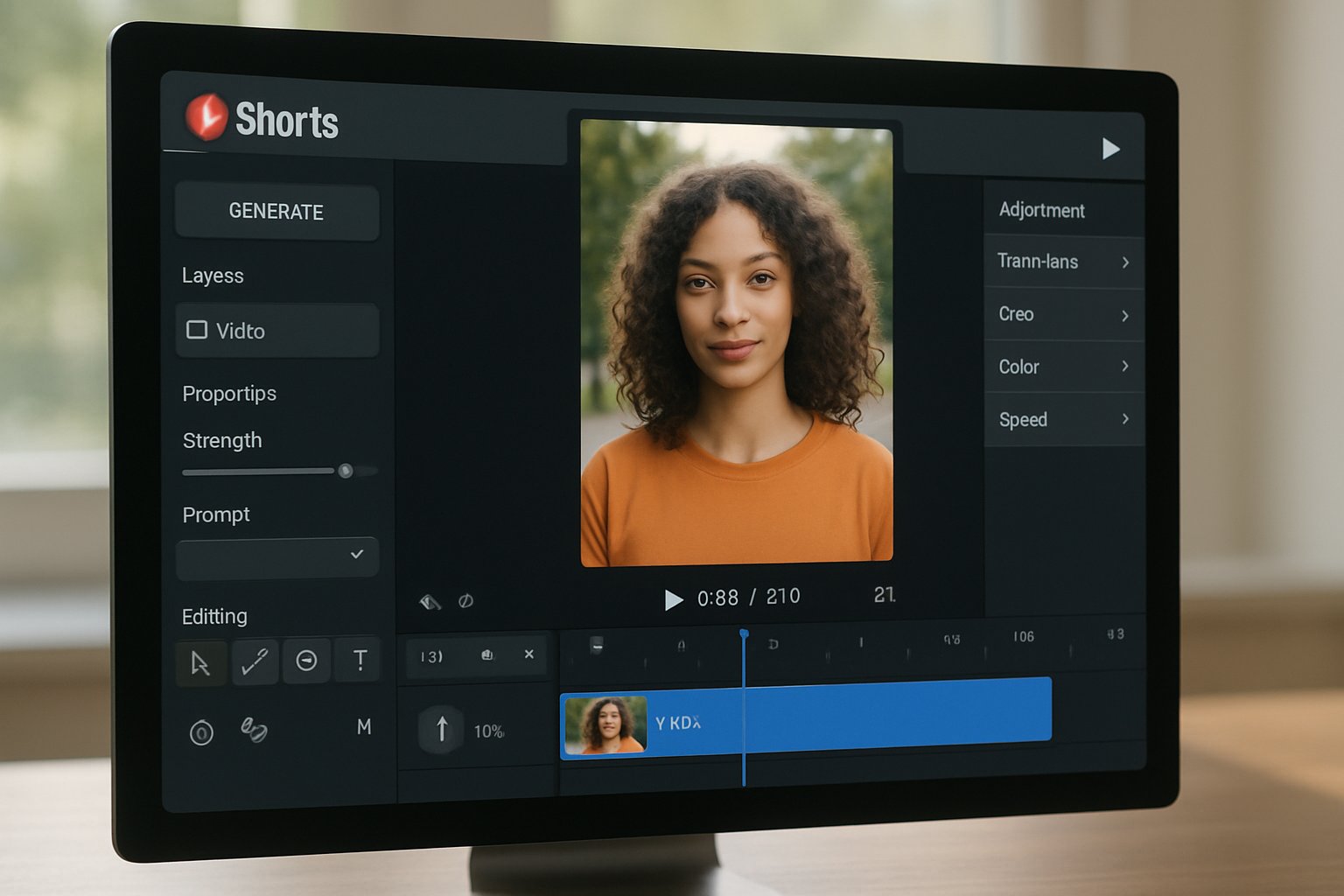
Creators crave efficiency. Generative Video Tools meet that need by turning text prompts into 480p video, adding stylized motion, or remixing dialogue into melody. Moreover, the Edit with AI feature assembles first-draft cuts within minutes. Adoption jumped because workflows shrink dramatically.
Professionals can deepen prompt skills through the AI Prompt Engineer™ certification. Consequently, channel owners gain competitive speed. These examples highlight why Generative Video Tools dominate creator conversations.
Streamlined production still needs polish. However, the next section explains every core capability in plain language.
AI Features Explained Briefly
Adoption Statistics Snapshot Now
YouTube lists seven marquee tools. Veo 3 Fast headlines with real-time text-to-video. Additionally, Add Motion animates still images. Stylize changes tone, while Add Objects inserts prompted items. Speech to Song employs DeepMind’s Lyria 2 for quick musical remixes. Consequently, even small teams can publish daily.
- 1 M+ channels used AI tools daily in December.
- 20 M viewers tried Ask, YouTube’s Studio assistant, the same month.
- $100 B paid to creators over four years, showing existing economic heft.
These facts illustrate scale. Nevertheless, each feature arrives with watermarking and disclosure. The following section covers those protections.
Safeguards And Legal Context
Transparency sits at rollout center. SynthID watermarks embed invisible provenance. Moreover, labels appear on every AI-generated frame. Likeness detection tools extend Content ID to guard personal images. YouTube also supports the bipartisan NO FAKES Act. Consequently, policy momentum aligns with platform enforcement.
Industry agencies, including CAA, test takedown flows. Nevertheless, critics warn that watermarking alone will not stop misuse. Therefore, continuous ranking tweaks will target low-quality “AI slop.” The next section explores the upside despite these warnings.
Opportunities For Modern creators
Generative Video Tools reduce gear costs and editing time. Additionally, speech-to-song opens fresh monetization paths through remixed hooks. Brands can sponsor quick Playables, while fledgling channels gain earlier market entry.
Furthermore, global subtitling and autodub raise reach instantly. These advantages matter as ad budgets tilt toward performance content. However, authenticity debates still rage. The following section addresses unresolved issues.
Challenges And Open Questions
Authenticity remains fragile. Audiences crave human stories, yet digital twins blur identity lines. Moreover, music rights around Lyria 2 lack full royalty clarity. Courts may weigh derivative claims soon.
Ranking algorithms must detect spammy generative floods. In contrast, genuine experimentation deserves promotion. Therefore, YouTube promises “quality signals,” though specifics stay vague. The next section tracks metrics that will reveal success or failure.
Future Metrics To Watch
Rollout speed will top dashboards. Subsequently, analysts should watch country availability dates for Veo 3 Fast. Engagement depth, measured by watch-time per generated clip, will expose quality.
Additionally, the volume of likeness takedown requests will show policy strain. Legislators may adjust the NO FAKES Act based on those figures. Consequently, reporters will return to these metrics each quarter.
These indicators shape the competitive landscape. The conclusion ties every thread together.


