

AI CERTs
2 months ago
Google Gemini offers free SAT prep with Princeton Review
Many students view the SAT as a daunting gateway to college admission. On 21 January 2026, Google introduced a surprising ally. The move positions Google Gemini at the center of free, AI-powered SAT preparation. The assistant now delivers full-length exams created with The Princeton Review and scored instantly. Consequently, the announcement signals a potential shake-up for the multibillion-dollar tutoring market. This article unpacks the launch, market implications, open questions, and future roadmap.
Google Gemini Rollout Details
Google unveiled the feature during the BETT 2026 conference and paired it with an Education blog post. Students type, “I want a practice SAT test,” and the assistant immediately serves a digital exam. Moreover, the test mirrors the latest adaptive, digital SAT format, complete with timing and section breaks. After completion, Gemini scores every section, flags strength areas, and offers step-by-step explanations on demand. The launch feels polished and immediate. However, Google has not revealed how many unique tests exist. Next, we examine exactly how the feature operates inside the app.
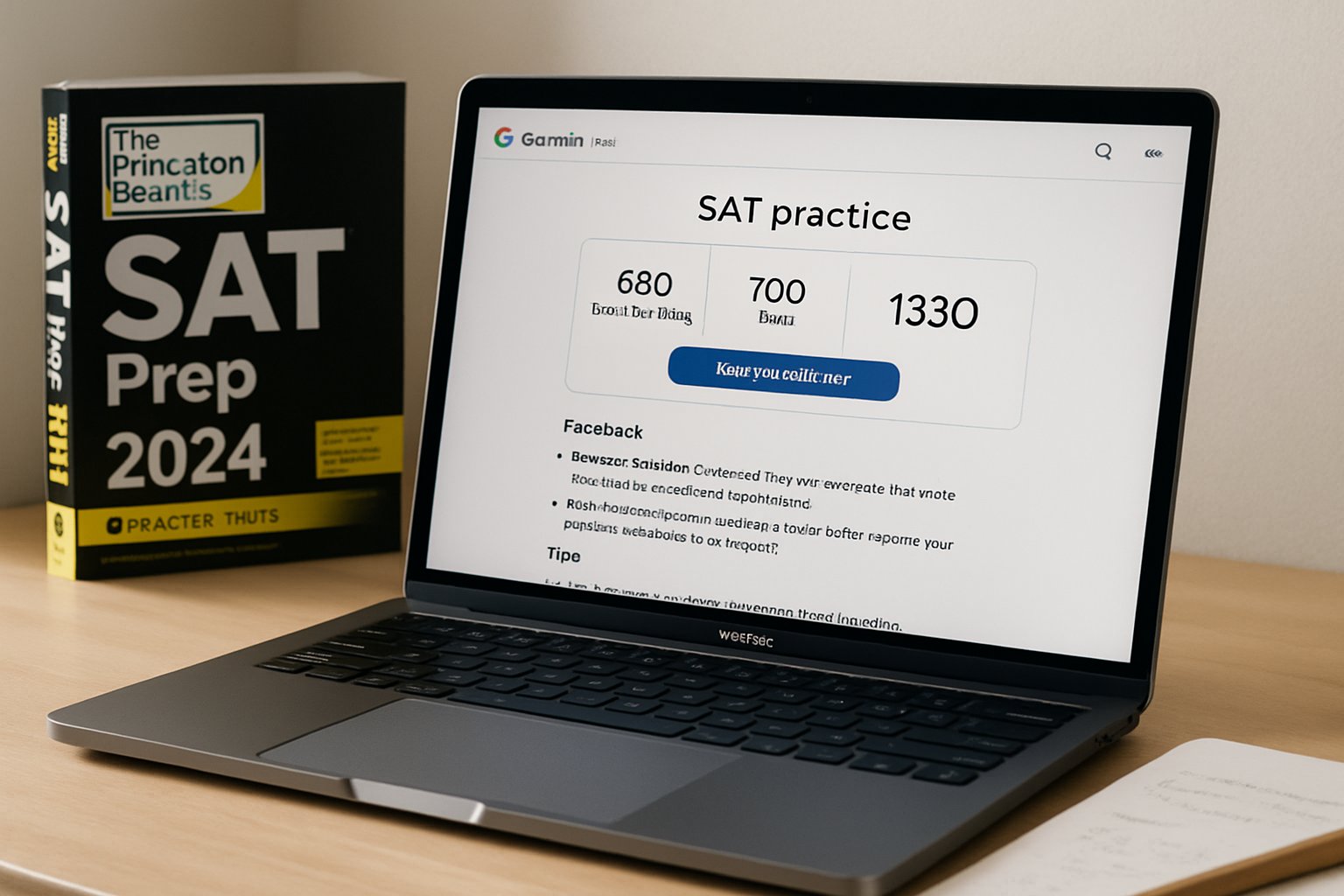
How The Feature Works
The assistant draws questions from Princeton Review content vetted by subject experts before deployment. Additionally, Google Gemini handles scoring by comparing answers to an internal key aligned with College Board specifications. Explanations appear in natural language. Students can follow up with “why” or “show another way” prompts. Consequently, Gemini can auto-generate a personalized study plan that highlights weak domains and suggests targeted drills. Teachers using Google Classroom push the same test link to a cohort and monitor aggregated performance. The workflow feels seamless for both individual learners and classrooms. Nevertheless, users must trust Gemini’s scoring validity. Market forces clarify why that trust could disrupt existing tutoring models.
Market Context And Impact
About two million students sat the SAT last year, College Board data indicate. Furthermore, private tutors often charge $135-$155 per hour, making sustained coaching unaffordable for many households. In contrast, Google Gemini offers unlimited attempts at zero cost, challenging price assumptions across the SAT practice landscape. Market researchers value the global test-prep industry at several billions annually, with digital platforms growing fastest. Moreover, Sundar Pichai tweeted that more standardized tests will follow, signaling an ambitious Education strategy.
- Private tutoring average hourly rate: $145
- Current SAT takers yearly: ≈2,000,000
- Practice tests inside Gemini: undisclosed
- Planned expansion: additional exams
These figures underline why Google Gemini could disrupt the market. However, disruption hinges on content fidelity and institutional acceptance. Understanding student-level benefits is critical before forecasting adoption.
Key Benefits For Students
Immediate scoring shortens feedback loops, letting learners adjust strategies while concepts remain fresh. Additionally, adaptive explanations transform wrong answers into micro-lessons, reinforcing retention without extra costs. The digital environment replicates the actual test interface, helping decrease unfamiliarity stress on exam day. Personalized study plans outline weekly goals, keeping motivation high, especially for self-guided SAT practice routines.
- Zero-cost full-length exams on demand
- Topic-level analytics after each attempt
- Natural language explanations with chat
- Integration with Google Classroom dashboards
Consequently, Google Gemini grants advantages usually reserved for premium tutoring packages. Nevertheless, learning outcomes still require disciplined practice. The benefits appear compelling for budget-conscious families. However, challenges around accuracy and equity remain pressing. Those challenges surface sharply in the next section.
Challenges And Open Questions
Content fidelity remains the biggest unknown, because Google Gemini uses Princeton Review items without College Board oversight. Moreover, Google has not published correlations between Gemini scores and official SAT outcomes. Data privacy concerns also loom, since student responses could theoretically train future models unless safeguards exist. In contrast, unequal device access may widen achievement gaps, despite the tool being free. Educators additionally warn that overreliance on AI explanations might weaken foundational reasoning if unchecked. Each issue deserves transparent answers from Google and Princeton Review. Nevertheless, early adopters should weigh risks carefully. Stakeholders are already asking about future developments beyond the SAT.
Future Roadmap To Watch
Sundar Pichai hinted at upcoming ACT, AP, and vocational exam modules within Google Gemini. Subsequently, Google Classroom integrations will allow teachers to import results into grade books automatically. Furthermore, Khan Academy’s collaboration on a Gemini Writing Coach demonstrates expanding subject coverage. Analysts predict aggressive iteration because AI models learn rapidly from aggregate usage patterns. Expansion seems inevitable given competitive pressures. However, execution quality will determine sustained credibility. Educators need actionable guidance to navigate these shifts.
Strategic Takeaways For Educators
Teachers should pilot Google Gemini with small cohorts and compare Gemini scores against existing diagnostics. Additionally, schools must review privacy terms and ensure parental consent before large-scale deployment. Professional development remains essential, because AI explanations require pedagogical framing. Educators can deepen AI leadership skills through the AI+ Chief AI Officer™ certification. Proactive planning positions educators to harness AI benefits safely. Nevertheless, vigilance must continue as the ecosystem evolves. A concise recap underscores why balanced adoption matters.
Google Gemini’s entry into SAT practice offers an accessible, high-tech alternative to costly tutoring. The feature’s immediate scoring, adaptive explanations, and digital realism align with the modern SAT environment. Moreover, market economics suggest strong uptake, yet unanswered questions regarding fidelity, privacy, and equity persist. Educators, parents, and policymakers should test, verify, and iterate before wholesale adoption. Therefore, readers should monitor upcoming exam additions and pursue learning pathways like the certification above. Explore the tool, stay informed, and lead the discussion around responsible AI in Education.


