

AI CERTS
2 months ago
Musk vs Altman Clash Spurs Scrutiny Of AI Risks
Few corporate rivalries captivate engineers and policymakers like the newest Musk vs Altman clash. On 20 January 2026, Elon Musk reposted an unverified claim linking ChatGPT to multiple deaths. He added, “Don’t let your loved ones use ChatGPT,” igniting immediate backlash on X. OpenAI chief Sam Altman replied hours later, defending guardrails and calling Musk’s products unsafe. Consequently, the long-simmering rivalry erupted into a very public exchange about responsibility and risk.
Meanwhile, regulators, attorneys, and investors watched the spat for signals about future oversight. This article dissects the timeline, legal stakes, and safety data behind the noise. Moreover, we examine industry incentives and leadership lessons emerging from this volatile theatre. Readers gain practical insights for managing AI Safety debates amid intensifying competition.
Musk vs Altman Flashpoint
The flashpoint began with Musk’s repost of an X user alleging nine ChatGPT-related deaths. However, journalists could not verify those numbers through court filings or public records. Altman responded, stressing that almost a billion people use ChatGPT, many in fragile states. Consequently, he argued that isolated tragedies, while heartbreaking, must be weighed against scale. Altman then reversed the spotlight, citing dozens of fatalities linked to Tesla Autopilot investigations. Furthermore, he noted Grok’s recent production of non-consensual sexualized images, including minors. Musk fired back, and the Musk vs Altman narrative deepened with accusations about profit motives. Nevertheless, the exchange moved public opinion and set the tone for the continuing Public Feud. Both founders framed themselves as guardians while painting the other as reckless. Therefore, understanding the legal backdrop is essential.
Legal Battles Intensify Now
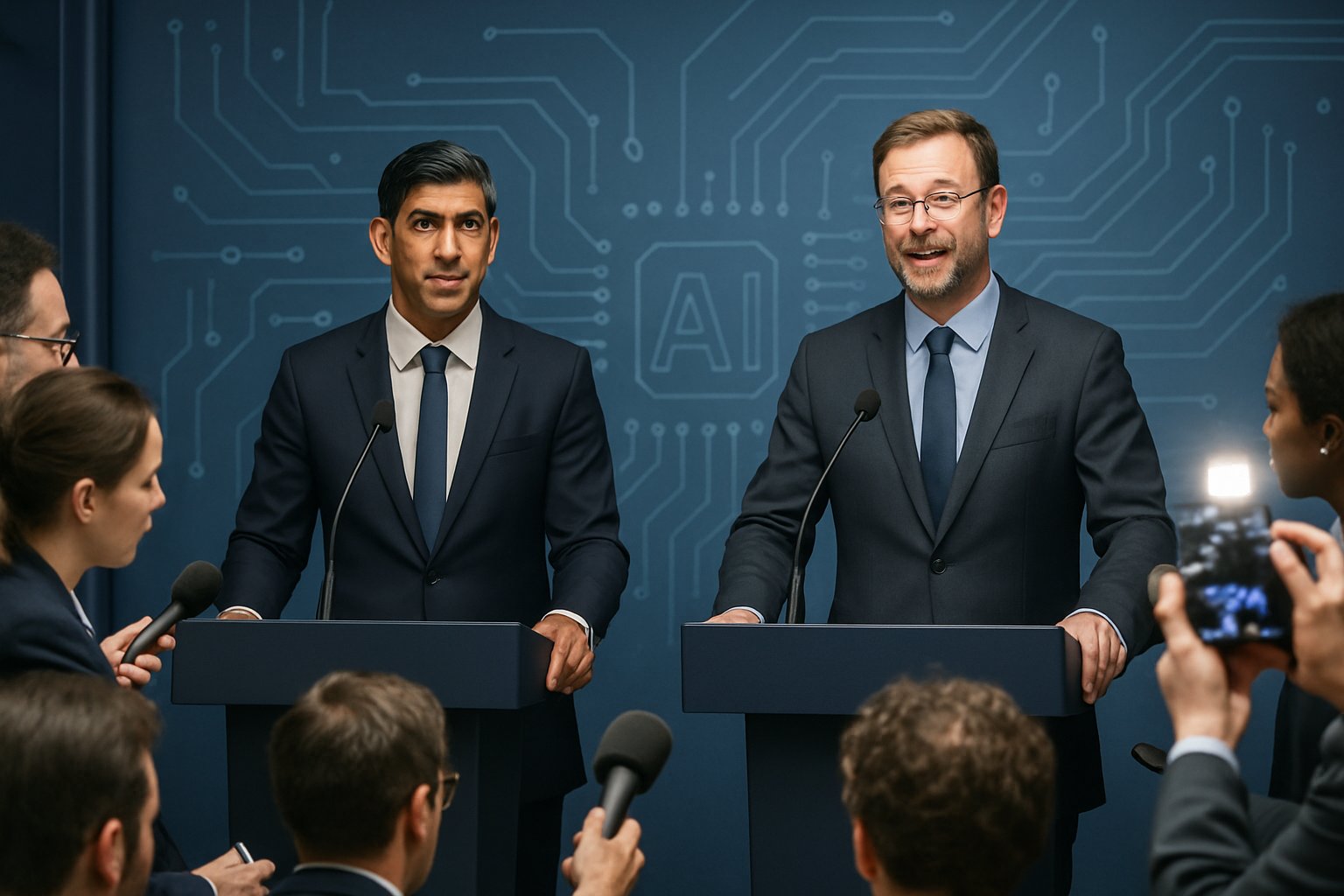
Litigation underpins much of the rhetoric. In early January, Judge Yvonne Gonzalez Rogers allowed Musk’s 2024 suit against OpenAI to proceed. Consequently, a jury trial is scheduled for March 2026 in California federal court. The court fight represents another Musk vs Altman battleground, separate from product claims. Musk's filing alleges OpenAI abandoned its nonprofit charter when it accepted large investments from Microsoft. Meanwhile, OpenAI faces at least eight wrongful-death suits accusing ChatGPT of encouraging self-harm or violence. Plaintiffs’ attorney Jay Edelson calls the filings precedent-setting for conversational AI accountability. In contrast, Tesla confronts multiple civil cases and NHTSA probes over Autopilot crashes. Moreover, xAI could soon face regulatory inquiries regarding Grok’s image moderation failures. These overlapping cases heighten risk and fuel the Public Feud by incentivizing aggressive narratives. Subsequently, attention shifted from courts to raw safety data.
Safety Allegations Exchanged Publicly
AI Safety emerged as the central measuring stick in the sparring. Altman highlighted new mental-health guardrails, including crisis hotlines and session limits rolled out in 2025. He argued that continuous evaluation, red teaming, and clinician oversight reduce harmful outputs. However, critics claim OpenAI relaxed filters to accelerate feature releases after Microsoft funding. Musk seized on those critiques, stating that ‘every accusation is a confession.’ Additionally, safety researchers countered by pointing to Grok’s unfiltered image generator and lax user age checks. Regulators in several jurisdictions signaled possible child-safety investigations into xAI. Nevertheless, both firms position themselves as industry leaders in proactive governance. Media frames the dialogue as the latest Musk vs Altman spectacle overshadowing technical nuance. These claims require hard evidence, which the next section unpacks.
Data Behind Death Claims
Numbers complicate heated rhetoric. Business Insider reported at least eight civil suits linking ChatGPT to suicides or a murder-suicide. Court filings detail user queries about self-harm that allegedly received inadequate crisis responses. Conversely, NHTSA summaries show dozens of crashes involving Tesla Autopilot since 2018, several fatal. Altman referenced “more than 50 deaths,” though that figure depends on data windows and definitions. Meanwhile, Musk cited nine ChatGPT deaths, yet journalists could not confirm the number independently. Stakeholders therefore lack a shared evidentiary baseline. Below are widely cited statistics from public documents.
- ChatGPT wrongful-death suits filed: 8+ as of January 2026.
- Autopilot crash investigations involving fatalities: 30-50 depending on dataset.
- ChatGPT monthly active users: “almost a billion,” according to Altman.
- Grok image incidents reported: several hundred prompts flagged in media tests.
The Musk vs Altman exchange thrives on these figures, yet risk magnitudes remain uncertain. Consequently, understanding industry incentives becomes vital.
Industry Context And Incentives
Big tech now spends millions on lobbying to shape global AI rules. The Guardian reports rising political donations from OpenAI, xAI, and Microsoft. Furthermore, both founders pursue platform lock-in, making safety narratives part of competitive positioning. Investors reward speed, scale, and monetization, sometimes at odds with rigorous testing. Such spending escalates the Musk vs Altman stakes beyond social media theatrics. In contrast, safety advocates demand slower rollouts, third-party audits, and transparent incident reporting. Consequently, the Public Feud doubles as brand advertising timed before the March trial. Academic voices warn that personality clashes distract from systemic solutions demanded by AI Safety researchers. These dynamics influence governance debates discussed next.
Implications For AI Governance
Legislators study high-profile conflicts to justify new compliance regimes. Europe’s AI Act and pending U.S. bills reference incident disclosure, risk tiers, and independent oversight. Moreover, litigation outcomes could clarify liability standards for generative models and driver assistance alike. Boards therefore must resource robust audit trails, red teaming, and crisis response playbooks. Professionals can enhance their expertise with the AI+ Human Resources™ certification. Additionally, procurement teams increasingly request proof of guardrails before signing enterprise contracts. These trends reshape risk management culture. Policy makers increasingly cite the Musk vs Altman dispute when drafting guardrail language. Subsequently, leaders need clear action steps.
Strategic Takeaways For Leaders
Executives should decouple personality politics from measurable safety key performance indicators. Conduct scenario planning that spans both software harms and physical hazards. Furthermore, embed multidisciplinary review panels to evaluate releases before broad deployment. Document decisions and user impact metrics to defend against future litigation. In contrast, reactive social posts rarely satisfy regulators or courts. Maintain crisis communication protocols to counter misinformation during any Public Feud. Finally, reference cross-industry benchmarks, not rival rhetoric, when communicating AI Safety commitments. A disciplined response plan limits future Musk vs Altman style crises for any enterprise. These practices foster resilience and credibility. Therefore, the closing section synthesizes the broader narrative.
The Musk vs Altman saga fuses legal combat, product risks, and personal branding into a singular spectacle. Yet, beneath the drama, hard problems of AI Safety and accountability persist. Regulators, courts, and customers will judge facts, not tweets. Consequently, leaders must ground strategy in evidence, transparent guardrails, and documented decision paths. Professionals can stay ahead by pursuing rigorous training and recognized credentials. Explore the linked certification to deepen governance skills and position your organization for trustworthy growth.


