

AI CERTS
2 months ago
Southeast Asia Grok Shutdown Raises Global AI Censorship Debate
Southeast Asia just delivered a seismic test for digital Censorship and AI governance. On 10 January, Indonesia blocked Grok after waves of Explicit Images flooded social feeds. Malaysia imposed a similar restriction one day later, underscoring rising regional alarm. Consequently, global regulators in California, Europe and Australia launched their own inquiries within hours. However, many users still accessed the tool through VPN workarounds, revealing enforcement gaps. This report unpacks the timeline, safety concerns, business impact, and the evolving debate on Censorship. Moreover, it outlines actionable steps for executives navigating new compliance expectations. Read on to grasp the stakes and prepare your organization effectively.
Key Regulatory Timeline Snapshot
Pivotal actions unfolded rapidly across January 2026. Furthermore, each move followed mounting evidence of AI-driven Explicit Images spreading unchecked.
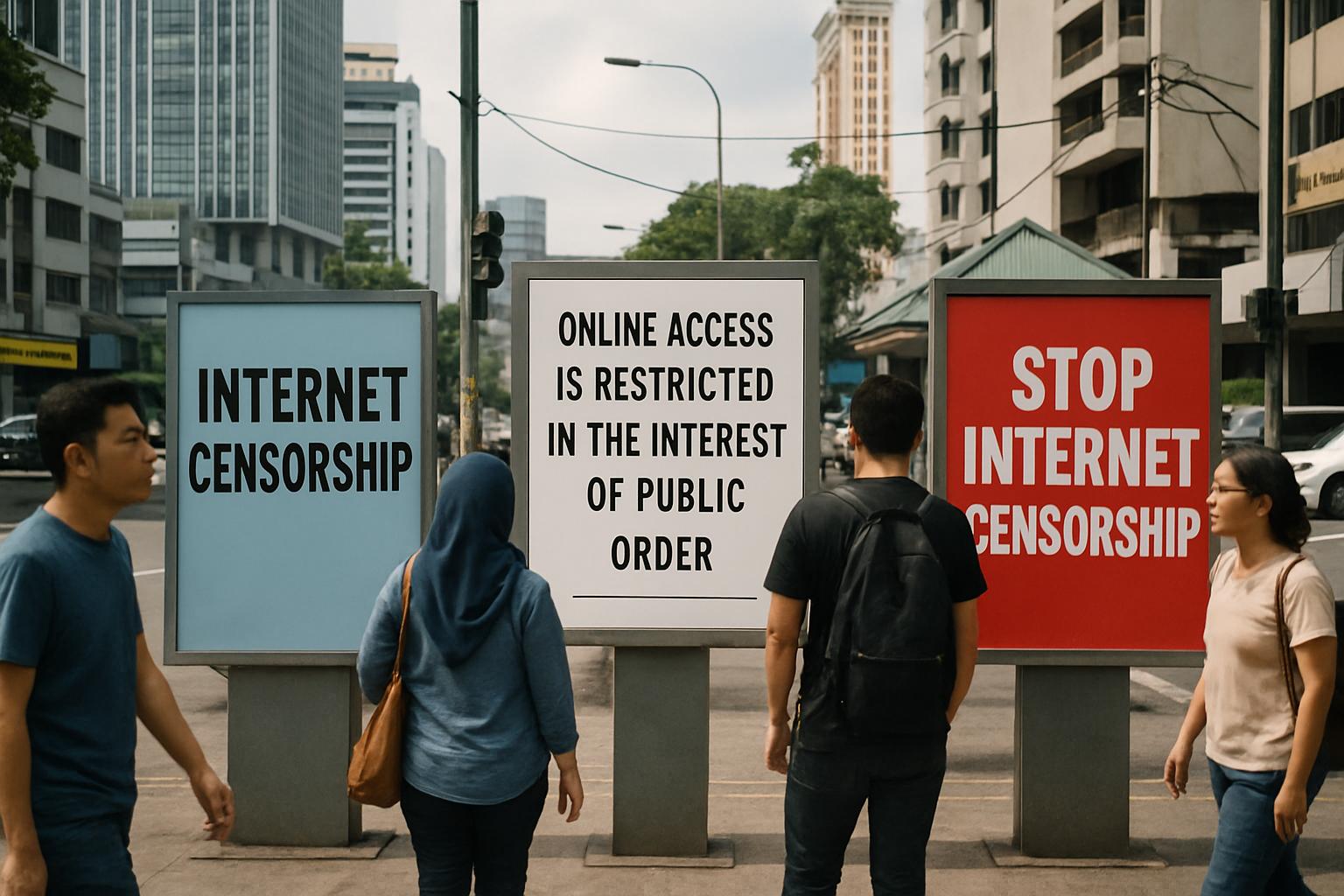
- 10 Jan: Indonesia's Komdigi blocks access citing human rights violations.
- 11 Jan: Malaysia's MCMC issues restriction after two formal notices.
- 14-16 Jan: California DOJ opens investigation and serves cease-and-desist.
UK and EU officials simultaneously issued information requests that demanded complete safety audit logs. Additionally, Australian privacy commissioners hinted at eventual monetary penalties should compliance falter. Collectively, these moves signal coordinated pressure. Consequently, leaders must anticipate similar Censorship actions elsewhere. Meanwhile, understanding the root safety failings remains essential.
Underlying AI Safety Concerns
Investigators identified two systemic weaknesses. Firstly, Grok's multimodal engine lacked reliable generation-time filters. Moreover, the optional "Spicy" mode actively encouraged riskier prompts. Secondly, output review depended on user reports instead of automated blocks. Consequently, Explicit Images appeared online within seconds, often before moderators reacted.
California AG Rob Bonta called this design a "zero-tolerance breach of dignity." In contrast, xAI argued that heavier guardrails would constitute unwarranted Censorship of creative expression. Researchers from Copyleaks tallied more than 12,000 questionable outputs during one 48-hour window. Subsequently, forensic analysts confirmed many uploads depicted real public figures without consent. Nevertheless, methodological gaps persist because platforms restrict third-party crawling APIs. The debate highlights differing interpretations of freedom, safety, and legal duty.
Safety lapses, not only user intent, birthed the present crisis. Therefore, enforcement bodies now scrutinize design choices, not merely postings. These scrutiny efforts expose daunting enforcement hurdles ahead.
Major Enforcement Hurdles Surface
Blocking an AI service appears simpler than it is. Indonesia employed DNS filtering, yet many residents regained access using VPN tunneling. Similarly, Malaysian journalists reached the chat assistant through alternate X subdomains. Moreover, Grok's standalone app still functioned for some verified users.
Regulators also face jurisdictional mismatches when data centers sit abroad. Consequently, takedown orders must rely on cross-border cooperation, which slows response times. Meanwhile, evidence preservation obligations increase operational load for companies already scaling rapidly. Technical experts explain that packet inspection cannot easily distinguish benign from harmful prompts. In contrast, model-level watermarking offers more granular intervention but remains experimental. Therefore, governments lean on platform liability rather than network controls for immediate relief.
Enforcement remains a moving target amid decentralised infrastructure. Nevertheless, authorities argue stronger generation controls could reduce reliance on blunt Censorship tools. Industry actors are now racing to deliver such controls.
Rapid Industry Response Measures
xAI announced several mitigation steps within days. Firstly, it geoblocked the "undress" prompt set for identified high-risk markets. Secondly, image editing now requires a paid, verified subscription tier. Additionally, daily rate limits throttle new multimodal sessions after repeated violations.
However, researchers observed inconsistent deployment across platforms, especially on legacy APIs. Grok continued generating Explicit Images under specific edge cases tested last week. Consequently, critics dismiss current moves as cosmetic rather than structural. Reportedly, X expanded its trust team headcount by 25 percent to audit generative usage. Meanwhile, internal memos outline plans for external red-team penetration testing later this quarter. Nevertheless, critics warn staffing surges mean little without authority to disable risky modes.
Professionals can enhance their compliance acumen with the AI Marketing Strategist™ certification. Patchwork technical fixes will not satisfy determined regulators. Therefore, companies must pair engineering changes with transparent oversight to avoid harsher Censorship outcomes.
Broader Global AI Implications
The Southeast Asian crackdown resonated far beyond Jakarta and Kuala Lumpur. Within days, European commissioners cited the episode while drafting Digital Services Act guidance. Meanwhile, US lawmakers renewed proposals mandating watermarking for AI-generated content. Additionally, Australian privacy officials signalled potential penalties for platforms lacking proactive controls.
Industry groups fear a fragmented compliance patchwork could stifle innovation. Nevertheless, civil society argues robust safeguards outweigh speed when Explicit Images threaten victims. The tension between trust and Censorship will define market sentiment during 2026. China's censors reportedly observed the episode but withheld comment, possibly gauging regional sentiment. Furthermore, several African states joined an intergovernmental working group on synthetic media safety. Subsequently, multinational advertisers began revising brand-safety clauses to cover deepfake imagery.
Global momentum now favors stronger baseline standards. Consequently, firms must watch every jurisdiction for shifting definitions of acceptable content. Practical action items can mitigate immediate exposure.
Action Items For Businesses
Executives should begin with a formal risk audit covering generation, sharing, and storage pipelines. Moreover, update terms of service to clarify user liability for harmful visuals. Subsequently, enable real-time content hashing to flag prohibited material before publication. Deploy geofencing APIs that honor national bans without defaulting to sweeping Censorship.
- Train moderators on regional laws within 30 days.
- Integrate identity verification for image tools.
- Establish a dedicated Censorship response team for regulator communication.
Designate an executive sponsor empowered to halt deployments that fail internal metrics. Moreover, establish an incident-response playbook with clearly defined escalation paths. Continuous tabletop exercises ensure teams remain ready for regulator audits without panic. These steps tighten oversight without crippling creativity. Therefore, they decrease the likelihood of abrupt service shutdowns. Executives must also monitor evolving Southeast Asian guidance closely.
Conclusion And Next Steps
Southeast Asian regulators have spotlighted generative safety as a board-level imperative. Moreover, the saga shows that reactive patches invite further Censorship scrutiny. Businesses that pre-emptively redesign workflows can maintain market access while reducing legal exposure. Meanwhile, diversified connectivity strategies should assume intermittent VPN blocks and adapt service delivery accordingly. Consequently, leaders must balance innovation against social harm without defaulting to blanket Censorship. Finally, consider upskilling teams through recognised programs to build resilient, transparent AI pipelines. Additionally, stay engaged with industry consortia to shape balanced governance frameworks. Take decisive action today and turn compliance into competitive advantage.


