

AI CERTS
2 months ago
Meta’s WhatsApp AI Ban Tests Platform Governance Limits
A surprise policy update has jolted the AI ecosystem. In mid-October 2025, Meta barred third-party chatbots from the WhatsApp Business API. Consequently, vendors such as OpenAI and Microsoft must unplug popular assistants by 15 January 2026. Regulators reacted swiftly, opening probes that question the legality of this sudden gate-closing. The controversy spotlights Platform Governance within powerful messaging networks reaching three billion monthly users. Furthermore, developers worry about losing a vital distribution channel that enabled viral growth without marketing spend.
Meanwhile, the company defends the move as necessary to preserve enterprise throughput and data security. In contrast, critics argue the ban entrenches Meta AI while it sidelines independent innovations. Therefore, the policy marks a pivotal case study in how private terms shape public competition. This article unpacks the timeline, reactions, and looming consequences for Platform Governance across digital markets. It also offers strategic insights for leaders navigating similar conflicts. Finally, readers will find key certification resources to strengthen professional expertise in AI compliance.
Policy Shift Timeline Overview
Meta revealed the new clause on 15 October 2025. Subsequently, new AI entrants were blocked from onboarding to the Business API. Existing integrations received a grace period ending on 15 January 2026. Meanwhile, press coverage erupted as vendors scrambled to understand enforcement scope. OpenAI, Microsoft, Perplexity, and others published shutdown notices during November and December. Moreover, the European Commission opened a formal antitrust investigation on 4 December 2025. Italian and Brazilian watchdogs issued interim suspension orders on 24 December and 13 January respectively. Consequently, the firm carved out exemptions for phone numbers in those jurisdictions while appealing. These dates establish a compressed procedural calendar that heightens commercial uncertainty. However, they also give stakeholders clear milestones for compliance planning.
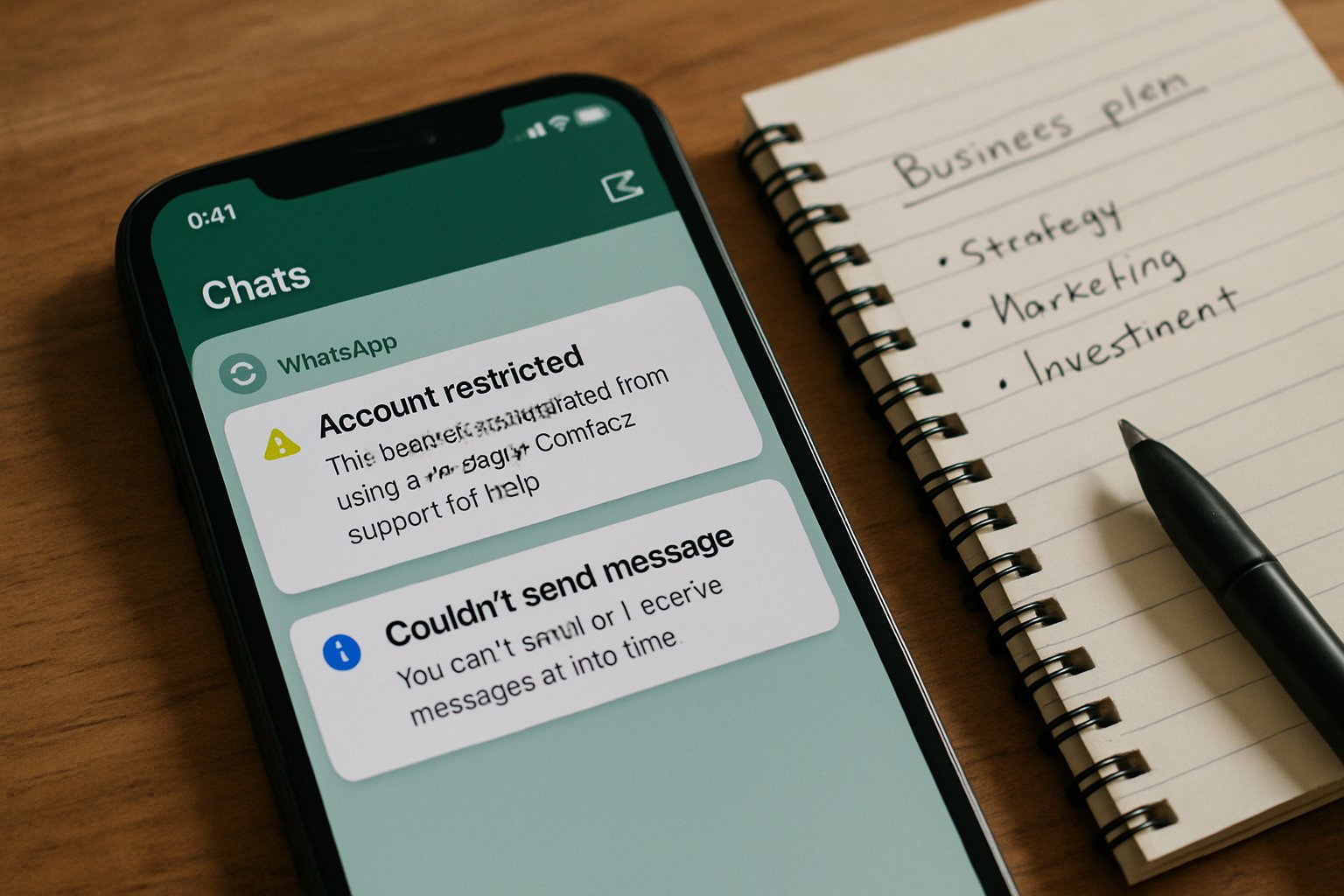
The timeline demonstrates how fast contractual tweaks can cascade into geopolitical clashes. Therefore, attention now shifts from dates to deeper regulatory dynamics. That context leads directly into the emerging flashpoints among global authorities.
Regulatory Flashpoint Emerges Quickly
European officials suspect the ban could foreclose competition for conversational AI services. Consequently, the Commission will test whether the company leverages gatekeeper status on WhatsApp to promote its own assistant. National agencies in Italy and Brazil echoed these concerns, ordering temporary reversals while comprehensive inquiries proceed. Additionally, potential fines may reach 10% of global turnover under EU rules. Meanwhile, privacy advocates critique data advantages the platform retains by integrating its assistant directly into messaging surfaces. In contrast, the company argues the Business API was never designed for unrestricted LLM traffic. Nevertheless, regulators interpret the broad discretionary language as evidence of unequal treatment. Therefore, the legal debate centers on market definition and competitive effects rather than technical feasibility.
Regulatory scrutiny underscores how quickly API Policy choices morph into antitrust flashpoints. Consequently, vendors now reassess risk when relying on private infrastructure. Vendor reactions illuminate those risks in practical terms.
Vendor Exit Responses Detailed
OpenAI notified users that ChatGPT would leave WhatsApp on 15 January 2026. Additionally, Microsoft Copilot issued similar guidance, urging history exports before the cut-off. Perplexity and several startups communicated comparable timelines, citing unavoidable compliance with the updated API Policy. Meanwhile, larger enterprises reviewed embedded assistants to ensure only ancillary AI remained. Consequently, integration roadmaps shifted toward native mobile apps, web interfaces, and SMS fallback channels. Open-source communities explored self-hosted bridges, yet few expect the platform to tolerate circumvention. Nevertheless, these workarounds highlight developer creativity when Platform Governance rules tighten suddenly. Microsoft’s blog even linked customers to a certification pathway for deeper AI fluency. Professionals can boost expertise through the AI Foundation Essentials™ certification.
Vendor exits confirm the concrete impact of a single contractual sentence. Therefore, competitive dynamics now hinge on substitution channels and user loyalty. Competitive analysis reveals wider market consequences beyond immediate service loss.
Competitive Impact Analysis Insights
WhatsApp reaches more than three billion monthly users, dwarfing standalone chat applications. Moreover, the in-house assistant reportedly engages one billion users, giving the host platform a massive data advantage. In contrast, startups relied on WhatsApp virality to reduce customer acquisition costs significantly. Consequently, the ban could raise barriers to entry and entrench incumbent market share. Analysts estimate losing WhatsApp distribution may cut daily active numbers for some bots by 40%. Furthermore, the policy prevents providers from using WhatsApp Business Solution data to train foundation models. That restriction limits iterative improvement, amplifying competitive asymmetry. Therefore, Platform Governance decisions directly influence innovation velocity and market diversity.
- WhatsApp monthly users: 3 billion plus.
- Grace period end date: 15 January 2026.
- Potential EU fine: 10% of Meta revenue.
- Meta AI monthly users: about 1 billion.
Nevertheless, regulators may impose remedies that restore third-party access. Such outcomes would recalibrate competitive dynamics swiftly. The numbers illustrate how scale magnifies governance effects. Consequently, business stakeholders must track enforcement outcomes closely. Affected enterprises also need practical guidance for immediate operations.
Business User Implications Explained
Most business accounts rely on the API Policy for customer support, not general chatbots. However, some retailers embedded ChatGPT for product discovery inside messaging storefronts. These flows must be re-engineered using approved automation or external links. Meanwhile, compliance teams should document data handling to avoid unintended training of external models. Furthermore, contracts with AI vendors require review to ensure fallback channels remain available. Operations leaders should schedule user communications before the grace period lapses. Consequently, clear migration roadmaps will minimize churn and reputational risk. Professionals may consult industry frameworks on Platform Governance to benchmark internal controls.
- Audit existing chatbot touchpoints.
- Identify ancillary AI functionalities.
- Draft migration communications for users.
- Update privacy disclosures accordingly.
Nevertheless, resource-constrained startups might struggle with simultaneous redesign and customer retention. Therefore, regulatory clarity could alleviate planning uncertainty for smaller firms. Business actions now pivot on final regulatory outcomes. Subsequently, attention turns to future enforcement possibilities. Scenario planning helps forecast operational expenditure under different rulings.
Future Enforcement Scenarios Forecasted
Analysts outline three plausible trajectories for the next 12 months. First, Meta could prevail and enforce the ban worldwide after appeals conclude. Second, regulators might mandate interim access pending full competition assessments. Third, a negotiated settlement could create certified gateways with strict data use limits. Additionally, the EU may impose behavioral remedies requiring nondiscriminatory API Policy clauses. Consequently, Platform Governance best practices would shift toward transparent sunset provisions and independent audits. Meanwhile, investors will price uncertainty into funding rounds for conversational AI startups. In contrast, incumbents may accelerate native assistant rollouts to lock in user bases. Nevertheless, cross-jurisdictional fragmentation could complicate uniform compliance engineering. Therefore, proactive scenario modeling remains essential for product and legal teams.
These scenarios reveal multiple forks in the strategic road. Subsequently, they feed into broader lessons about guarding innovation channels. Those lessons converge under the umbrella of Platform Governance.
Platform Governance Lessons Learned
The messaging episode demonstrates how contractual power can rival technical architecture. Moreover, outsized platforms can redefine competitive rules without legislative debate. Consequently, firms must evaluate dependency risk before embedding critical services in proprietary channels. In contrast, policymakers should craft interoperability mandates that balance innovation with security. Furthermore, transparent decision criteria could reduce uncertainty and build developer trust. Professionals can strengthen strategic foresight through systematic study of Platform Governance frameworks. Therefore, investing in organizational literacy pays dividends when sudden rule changes arise. Additionally, certifications provide structured knowledge that accelerates internal adoption of governance best practices. Teams pursuing leadership tracks should revisit the earlier linked AI Foundation Essentials™ course.
These lessons reinforce the importance of vigilance, diversification, and proactive policy engagement. Consequently, stakeholders remain better prepared for future disruptions.
The WhatsApp ban illustrates the outsized influence of private rules on digital competition. Consequently, Platform Governance emerges as a strategic discipline rather than a niche compliance task. Developers, regulators, and investors now watch the enforcement phase for signals about future platform behavior. Furthermore, businesses should audit dependencies and draft contingency playbooks before deadlines accelerate. Meanwhile, policymakers must balance innovation incentives with fair access to essential communication channels. Nevertheless, clear principles and transparent API Policy terms can align incentives across the ecosystem. Therefore, professionals who master Platform Governance concepts will guide organizations through inevitable rule changes. Boost your expertise by enrolling in the AI Foundation Essentials™ program today. Stay informed, stay prepared, and lead confidently through the next platform disruption.


