

AI CERTs
2 months ago
AI-Driven Assessment Proctoring Faces New Risks And Reforms
Institutions once rushed to deploy AI-Driven Assessment Proctoring during the pandemic. Today, decision makers face a more complex picture. Moreover, market growth collides with security breaches, legal headwinds, and equity debates. Consequently, leaders must balance scale with trust while keeping exam integrity intact.
Global Market Growth Unpacked
Analysts still predict robust expansion. Grand View Research values adjacent testing markets at about USD 13.85 billion for 2024. In contrast, niche reports place AI-Driven Assessment Proctoring revenues between USD 0.65 billion and USD 2.1 billion. Furthermore, projected compound annual growth often exceeds 15%. Institutions cite flexibility, reduced staffing costs, and round-the-clock access as drivers.
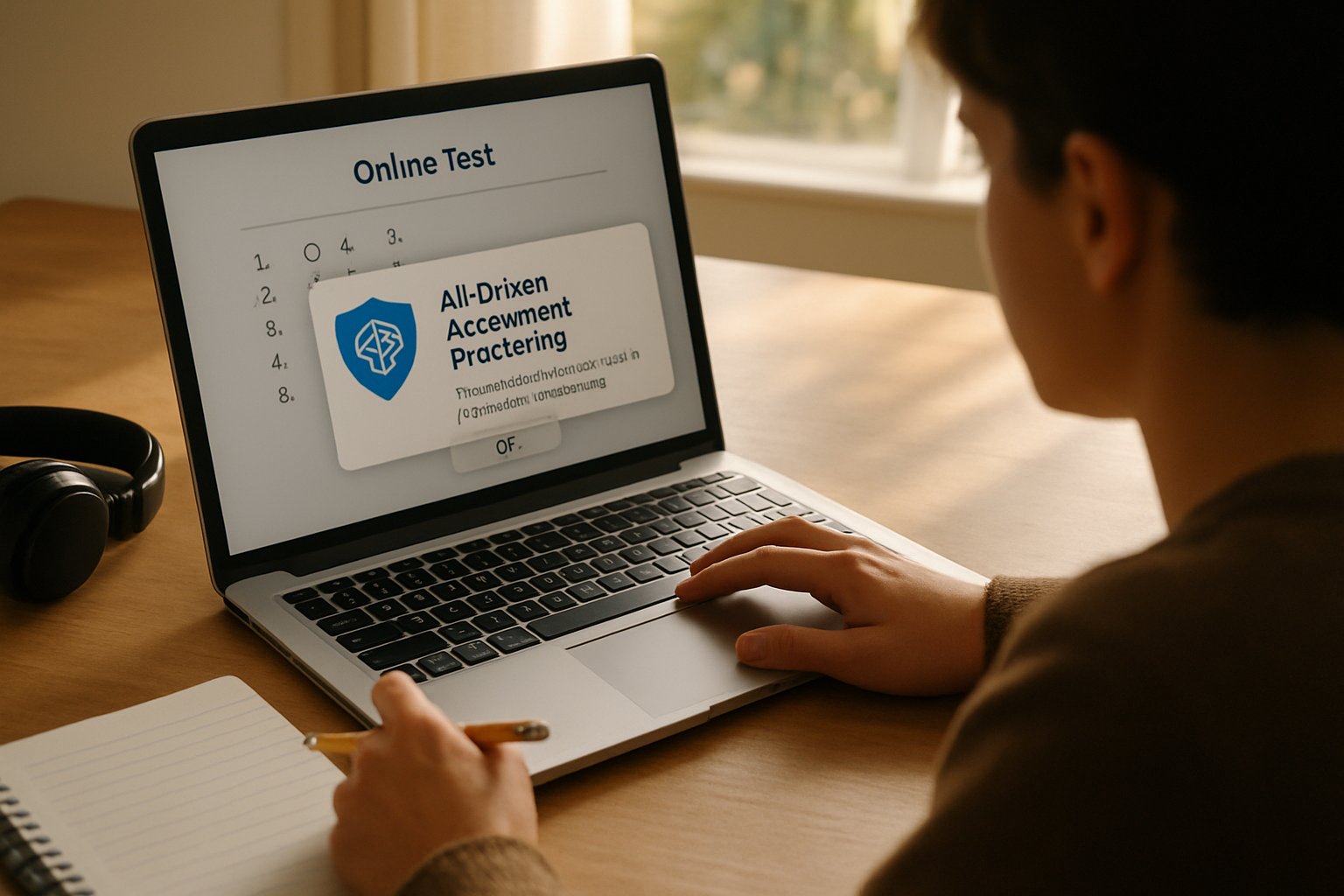
However, divergent methodologies complicate direct comparisons. Some studies include live proctor payroll, while others count only software subscriptions. Nevertheless, adoption remains widespread. Surveys suggest 40–70% of higher-ed campuses employ at least one remote proctoring tool. These numbers highlight commercial momentum. However, they also magnify exposure to scrutiny.
- Forecast range 2024: USD 0.65–2.1 billion
- Estimated CAGR: 10–20%+
- Higher-ed adoption: 40–70% of institutions
These figures confirm strong demand. Nevertheless, market gains invite tighter oversight. Therefore, financial optimism must align with edtech compliance priorities.
Mounting Legal Risk Landscape
Illinois’ Biometric Information Privacy Act drives much litigation. Courts refused to dismiss consolidated BIPA claims against Respondus in 2022. Meanwhile, Northwestern University still faces a class action over alleged facial-scan retention. Additionally, new state bills in Colorado and California propose similar safeguards.
Plaintiffs argue that AI-Driven Assessment Proctoring captures sensitive data without proper consent. Consequently, universities confront reputational and financial threats. Recent rulings suggest judges accept these arguments, at least at early stages. Therefore, risk managers should review contracts, notice language, and retention periods.
Beyond biometrics, consumer-protection statutes also loom. EPIC and EFF have urged regulators to investigate unfair algorithms that jeopardize exam integrity. Institutions that ignore those warnings may incur severe penalties.
Litigation trends emphasize proactive governance. However, strategic compliance can reduce exposure before disputes escalate.
Security Breach Lessons Learned
Source-code leaks at Proctortrack unsettled campuses worldwide. Consumer Reports identified credentials embedded in public repositories. Moreover, researchers warned that student video and ID images could be vulnerable. Vendors disputed any personal data exfiltration. Nevertheless, the incident intensified security audits across the sector.
Lockdown browsers also introduce risk. Malicious extensions sometimes bypass restrictions, undermining exam integrity. Consequently, institutions are demanding penetration tests and third-party certifications. Vendors now showcase encryption protocols and zero-knowledge storage claims.
Despite assurances, IT leaders remain cautious. Therefore, layered defenses, including strict network segmentation, are gaining traction. Comprehensive breach disclosure clauses appear in new contracts.
Security incidents illustrate systemic fragility. However, transparent remediation can rebuild confidence and support edtech compliance goals.
Equity And Bias Concerns
Peer-reviewed research in Frontiers in Education reports lower face-detection accuracy for darker skin tones. Furthermore, students with disabilities or unstable internet often receive false flags. Consequently, stress levels rise, and academic appeals increase.
Automated gaze tracking may misinterpret neurodivergent behavior. In contrast, some vendors claim humans always review algorithmic anomalies. Critics counter that initial bias still shapes outcomes. Therefore, many campuses now mandate bias testing before deployment.
Equitable access underpins exam integrity mandates. Moreover, accreditation bodies increasingly link edtech compliance to inclusive assessment practices.
Persistent disparities harm learning trust. Nevertheless, targeted mitigation strategies can narrow gaps and reinforce fairness.
Evolving Vendor Response Strategies
Proctorio stresses “face detection, not recognition” and publishes encryption audits. Likewise, Honorlock promotes a blended model where humans validate AI flags. Additionally, Respondus enhanced consent prompts after recent court rulings.
Vendors now fund independent bias studies and bug-bounty programs. Furthermore, many shorten data retention to 30 days or less. Certification programs also surface. Professionals can enhance their expertise with the AI Prompt Engineer™ certification.
These moves aim to restore stakeholder trust and support edtech compliance. However, skeptics demand public audit reports and open-source model cards.
Corporate pivots reveal adaptive momentum. Nevertheless, continuous transparency will decide long-term credibility.
Emerging Reform Pathways Ahead
Some universities now favor authentic assessments over strict surveillance. Open-book exams, project portfolios, or oral defenses reduce reliance on AI-Driven Assessment Proctoring. Additionally, campus testing centers offer hybrid models that blend online flexibility with in-person validation.
Policy experts propose minimum technical standards, bias benchmarks, and mandatory human appeals. Moreover, procurement teams increasingly require accessibility certifications and documented edtech compliance roadmaps.
Regulators may shape outcomes through updated privacy frameworks and algorithmic-accountability rules. Consequently, a regulated ecosystem could clarify obligations for all parties.
Reforms are gathering momentum. However, careful implementation will determine practical success.
Strategic Buyer Checklist Guide
Decision makers should apply a rigorous evaluation matrix:
- Confirm biometric consent alignment with local laws.
- Review third-party security penetration results.
- Examine bias testing methodology and results.
- Validate data-retention and deletion timelines.
- Ensure accessibility and equity accommodations.
- Negotiate clear breach notification clauses.
- Cross-check vendor claims with independent audits.
Following this checklist strengthens exam integrity and fortifies edtech compliance. Furthermore, it equips institutions to defend decisions under legal scrutiny.
A systematic approach reduces procurement risks. Nevertheless, ongoing monitoring remains essential for adaptive resilience.
Final Insights And CTA
AI-Driven Assessment Proctoring continues to expand despite regulatory, security, and equity challenges. Moreover, litigation and breach events accelerate calls for transparency. Institutions can protect exam integrity by embracing thorough audits, inclusive design, and clear data practices. Consequently, proactive governance and skilled staff become decisive advantages.
Stakeholders seeking deeper expertise should pursue advanced credentials. Therefore, explore the linked certification and stay informed as standards evolve.


