

AI CERTs
3 months ago
How real-time pricing intelligence engines reshape U.S. eCommerce
U.S. eCommerce competition now hinges on real-time pricing intelligence engines. Moreover, retailers deploying these tools react to rivals within minutes. Consequently, speed delivers measurable profit advantages.
Consultants estimate gross-profit lifts around ten percent. Meanwhile, software vendors report high-teens growth rates for subscriptions. Additionally, investors see durable demand despite regulatory headwinds.
Yet scrutiny keeps rising. In contrast, New York will soon require algorithmic price disclosures on checkout pages. Therefore, boardrooms must balance innovation with compliance before missteps erode consumer trust.
Experts agree on one priority: governance. Nevertheless, many firms still treat pricing engines like ordinary SaaS utilities. Subsequently, they underestimate antitrust and fairness risk exposure. Such gaps create urgent reporting needs.
This article unpacks the technology, market forces, legal landscape, and mitigation playbooks. Moreover, it maps stakeholder positions using recent investigations and legislative texts. By the end, executives will grasp actionable levers for safer growth.
Key Market Momentum Drivers
Retail digital shelves change constantly. Consequently, static price audits cannot keep pace with hundreds of rivals. That gap propelled adoption of real-time pricing intelligence engines across categories from electronics to grocery.
BCG reports mid-single to low-double digit gross-profit gains after implementation. Additionally, vendor case studies echo similar benefits. Furthermore, the global software market already exceeds two billion dollars and climbs at high-teens CAGR. Retail giants treat dynamic pricing AI as core infrastructure.
Current momentum rests on five interconnected factors:
- Marketplace algorithms reward price agility
- Mobile shoppers compare prices instantly
- Cloud computing lowers entry costs
- Inflation pushes margin protection
- Investor pressure demands revenue optimization
Together, these drivers accelerate tool deployment. However, heightened adoption invites closer regulatory examination, explored next.
How These Engines Operate
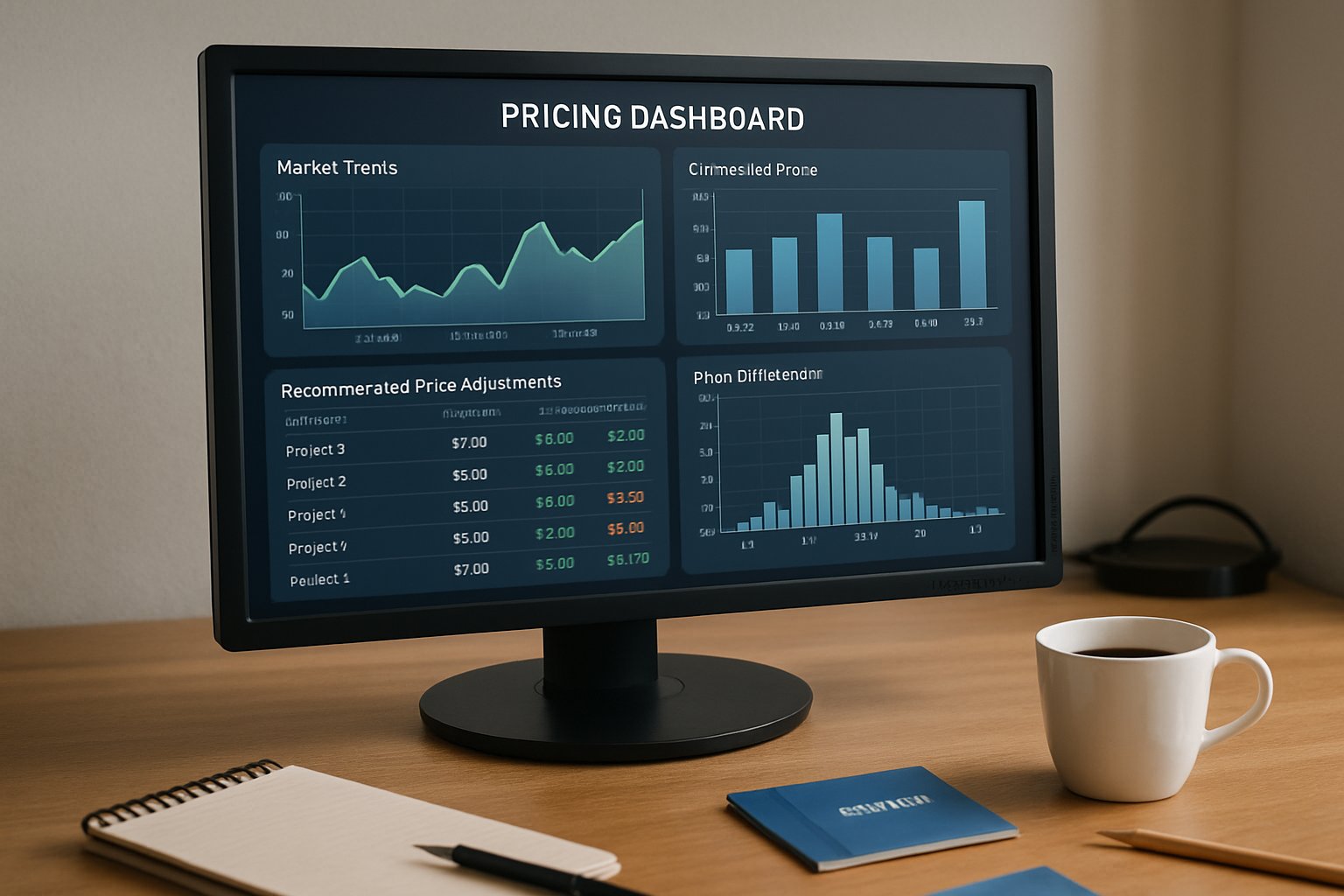
Real-time pricing intelligence engines ingest competitor prices, sales history, inventory, promotions, and sometimes customer signals. Subsequently, machine-learning models estimate demand elasticity for each SKU. Rules then constrain suggested prices within margin, MAP, and inventory thresholds.
Finally, APIs push updated prices to storefronts every few minutes. Moreover, dashboards surface alerts when anomalies exceed guardrails. As a result, operators blend automation with human oversight.
Professionals can enhance expertise through the AI+ UX Designer™ certification. Consequently, design teams better align price presentation with transparency requirements.
Thus, operational design feels mature. Nevertheless, legal turbulence now shapes investment decisions.
Regulatory Pressure Quickly Mounts
New York’s Algorithmic Pricing Disclosure Act targets real-time pricing intelligence engines that leverage personal data. Moreover, the law mandates conspicuous notices when personal data informs prices. Violations could trigger significant fines and public shaming.
Trade groups challenged the statute, yet courts upheld disclosure duties. Consequently, compliance projects must begin now despite unresolved enforcement details. Additionally, senators reintroduced the Preventing Algorithmic Collusion Act to expand federal oversight.
The FTC also gathers marketplace data, signaling near-term investigations. In contrast, lobbyists warn that overregulation may stifle innovation and revenue optimization. The debate remains fierce.
Compliance stakes therefore escalate. Next, we examine reputational risks amplifying those stakes.
Risks And Backlash Intensify
Consumer Reports exposed hidden Instacart experiments showing 13 percent average item variance. Subsequently, Instacart scrapped the test within days, fearing scrutiny of its real-time pricing intelligence engines. Nevertheless, headlines cemented a powerful narrative of surveillance pricing.
Academic models further demonstrate algorithmic collusion potential. Moreover, shared vendor tools could synchronize rivals inadvertently. Therefore, legal teams must audit data flows and algorithm settings.
Misconfigured repricers present operational hazards as well. In 2019, Amazon sellers saw accidental one-cent listings during a glitch. Consequently, marketplaces now require min-price safeguards.
Reputation can erode overnight. However, structured governance reduces exposure, as the following playbook shows.
Adoption Best Practice Playbook
Successful retailers embed cross-functional steering committees. They deploy real-time pricing intelligence engines within controlled workflows. Additionally, they set clear objectives such as revenue optimization, markdown efficiency, or price perception. Every metric receives baseline benchmarking before algorithm activation.
Experts recommend several governance controls:
- Document input data sources and permissions
- Apply min, max, and cooldown rules
- Retain audit logs for 10 years
- Perform quarterly bias assessments
Moreover, vendor contracts should prohibit sharing nonpublic competitor data. In contrast, some providers now advertise anti-collusion features. Evaluators must validate those claims during proofs of concept.
Retailers pursuing aggressive revenue optimization often integrate dynamic pricing AI with marketing systems. Consequently, campaigns respond to both price and inventory signals in near real time. Such orchestration requires tight API governance.
These practices balance agility and control. Finally, we look ahead to emerging signals.
Algorithmic Collusion Concerns Rise
Researchers like Calvano show real-time pricing intelligence engines interacting can sustain supra-competitive pricing. Furthermore, platform recommendation systems may amplify that effect. Therefore, regulators study structural remedies such as mandatory auditing APIs.
Skeptics argue real-world complexity prevents stable collusion. Nevertheless, proposed U.S. legislation suggests policymakers are unconvinced. Consequently, disclosure obligations could spread beyond New York quickly.
The policy trajectory remains uncertain. Future outlook concludes our analysis next.
Future Outlook And Actions
Market analysts expect continued double-digit spending on dynamic pricing AI despite turbulence. Moreover, integration with generative systems will drive deeper personalization. Consequently, firms using real-time pricing intelligence engines must strengthen transparency.
Real-time pricing intelligence engines now sit at the center of U.S. eCommerce strategy. Consequently, dynamic pricing AI and accompanying analytics promise durable revenue optimization when governed responsibly.
Nevertheless, regulators, consumers, and investors will judge outcomes rather than intentions. Therefore, leaders must blend transparent policy, technical guardrails, and certified design talent. Professionals should explore the AI+ UX Designer™ program to build that talent.
Adopt real-time pricing intelligence engines with rigorous ethics. Act now to secure competitive advantages before stricter laws arrive.


