

AI CERTs
2 months ago
Why Regulatory Model Audit Frameworks Dominate U.S. AI Compliance
Mounting liability fears are rewriting corporate AI playbooks. Consequently, U.S. enterprises are embracing regulatory model audit frameworks to survive escalating scrutiny.
Over the last 18 months, state laws, NIST guidance, and market forces converged. Moreover, insurers and customers now demand concrete proof that models behave responsibly.
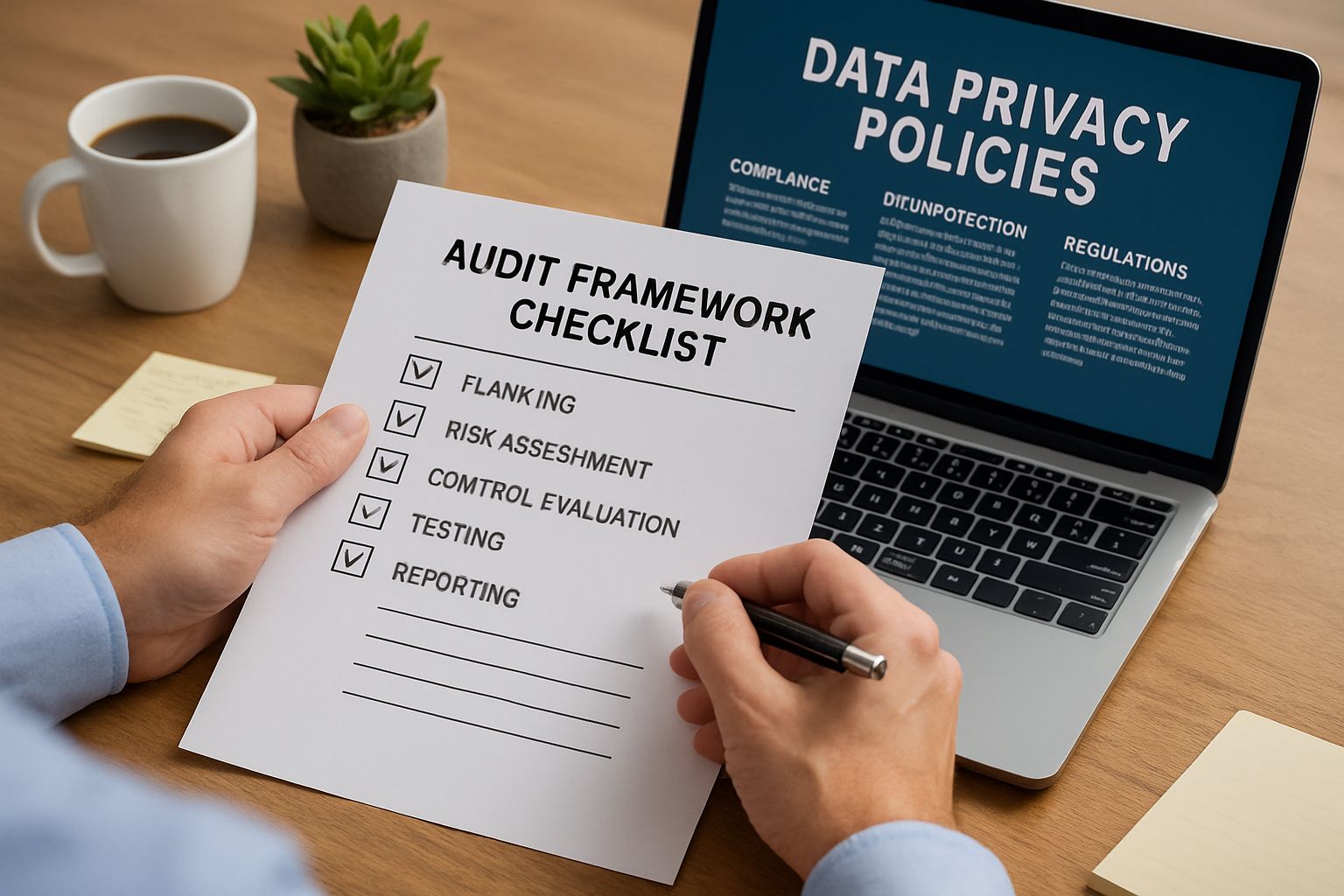
This article unpacks the drivers, sector impacts, and practical steps. Additionally, it maps emerging standards to help leaders strengthen AI risk governance.
Drivers Behind Framework Adoption
NIST released its AI Risk Management Framework in January 2023, supplying a voluntary yet influential baseline.
Furthermore, New York City’s Local Law 144 introduced mandated bias audits for hiring algorithms, setting a public precedent.
Insurers reacted quickly. Consequently, procurement teams now ask vendors for documentation aligned with regulatory model audit frameworks.
EU pressure compounds the shift, because the AI Act requires conformity assessments for high-risk systems selling into Europe.
Collectively, these forces accelerate audit adoption. However, enforcement realities determine how fast organizations move. Therefore, understanding the enforcement landscape is essential.
The Evolving Enforcement Landscape
State Attorneys General filled the federal vacuum through consumer-protection statutes.
Reuters counted actions in California, Texas, and Massachusetts targeting deceptive AI marketing.
Meanwhile, the FTC and EEOC issued warnings that unfair algorithms violate existing laws.
Regulated firms now treat audits as defensive evidence. Consequently, many adopt regulatory model audit frameworks before subpoenas arrive.
Enforcement remains fragmented yet aggressive. In contrast, sector-specific rules create sharper deadlines. Next, we examine insurance, the current pressure cooker.
Insurance Sector Audit Pressures
NAIC adopted its Model Bulletin in late 2023, urging insurers to document lifecycle testing.
Additionally, 23 jurisdictions had embraced the bulletin by late 2025, according to Fenwick research.
Surveys show 92% of health insurers already deploying AI, raising systemic exposure.
Therefore, carriers increasingly commission audits under recognized regulatory model audit frameworks to satisfy examiners.
- 92% health insurers use AI tools
- 88% auto insurers plan or deploy AI
- 23 U.S. states adopt NAIC bulletin
These numbers underscore sector urgency. Nevertheless, audit adoption also supports broader market and risk goals. Consequently, we turn to enterprise risk strategies.
Market And Risk Management
Investors and underwriters tie capital access to solid AI risk governance.
Moreover, cyber insurance riders now ask for bias testing evidence and red-team reports.
Procurement teams seek model transparency tools that translate technical metrics into business language.
Organizations deploying regulatory model audit frameworks integrate such model transparency tools into continuous monitoring dashboards.
Consequently, boards receive concise indicators covering fairness, robustness, and drift.
Risk management increasingly depends on audit artifacts. However, execution still challenges many teams. Implementation guidance therefore becomes critical.
Practical Implementation Playbook Steps
Successful programs start with an AI inventory mapped to impact tiers.
Subsequently, teams apply the NIST GOVERN, MAP, MEASURE, MANAGE cycle.
High-risk systems undergo full reviews using regulatory model audit frameworks, including TEVV, red-teaming, and documentation.
Core Audit Evidence Items
- Model cards and data lineage logs
- Bias metrics across protected classes
- Adversarial test results and mitigations
- Post-market drift monitoring dashboards
Teams also embed model transparency tools to automate evidence collection.
Additionally, governance committees schedule quarterly reviews, aligning outputs with AI risk governance policies.
Professionals can enhance their expertise with the AI Product Manager certification, which covers audit design fundamentals.
Structured playbooks shorten audit cycles and cut insurer questions. Nevertheless, gaps in standards and comparability persist. Emerging norms aim to close those gaps.
Emerging Standards And Gaps
ISO/IEC 42001 offers an AI management template, yet adoption remains nascent.
Meanwhile, NAIC pilots its AI Systems Evaluation Tool to harmonize insurer examinations.
In contrast, no federal body certifies auditors or metrics, limiting cross-industry comparability.
Therefore, companies still navigate overlapping regulatory model audit frameworks without unified checklists.
Stakeholders call for accreditation schemes, open benchmarks, and stronger model transparency tools.
Researchers also urge clearer AI risk governance taxonomies to reduce reporting noise.
Standardization debates will shape audit economics. Consequently, strategists need a forward view.
Strategic Outlook And Recommendations
Audit adoption will deepen as state AG actions multiply and European rules bite.
Moreover, regulators may embed the NIST RMF in procurement policies, cementing its influence.
Enterprises should institutionalize AI risk governance, assigning budget and accountability.
They should reference regulatory model audit frameworks tenets in contracts, insurance renewals, and public disclosures.
Investments in scalable model transparency tools will yield procurement and reputational dividends.
Consequently, early movers can negotiate better insurance terms and win trust.
Regulated AI demands evidence and agility. Nevertheless, disciplined frameworks unlock both outcomes.
U.S. liability scrutiny is rising faster than many predicted.
However, regulatory model audit frameworks give organizations a defensible shield and a competitive lens.
They align audits with NIST guidance, sector bulletins, and global norms while embedding AI risk governance across the lifecycle.
Furthermore, complementary dashboards keep stakeholders informed and reduce firefighting.
Organizations ready to lead should upskill talent quickly.
Therefore, explore the AI Product Manager certification to master audit-driven product strategy.
Adopting regulatory model audit frameworks today positions teams for tomorrow's compliance landscape.


