

AI CERTS
2 months ago
Meta Bets Big on AI Energy Infrastructure
Furthermore, the deals provide revenue certainty for Vistra, TerraPower, Oklo, and Constellation. Joel Kaplan, Meta’s Chief Global Affairs Officer, called the move “one of the most significant corporate purchases of nuclear energy in American history.” Nevertheless, execution risks remain, and regulators will closely monitor each project.
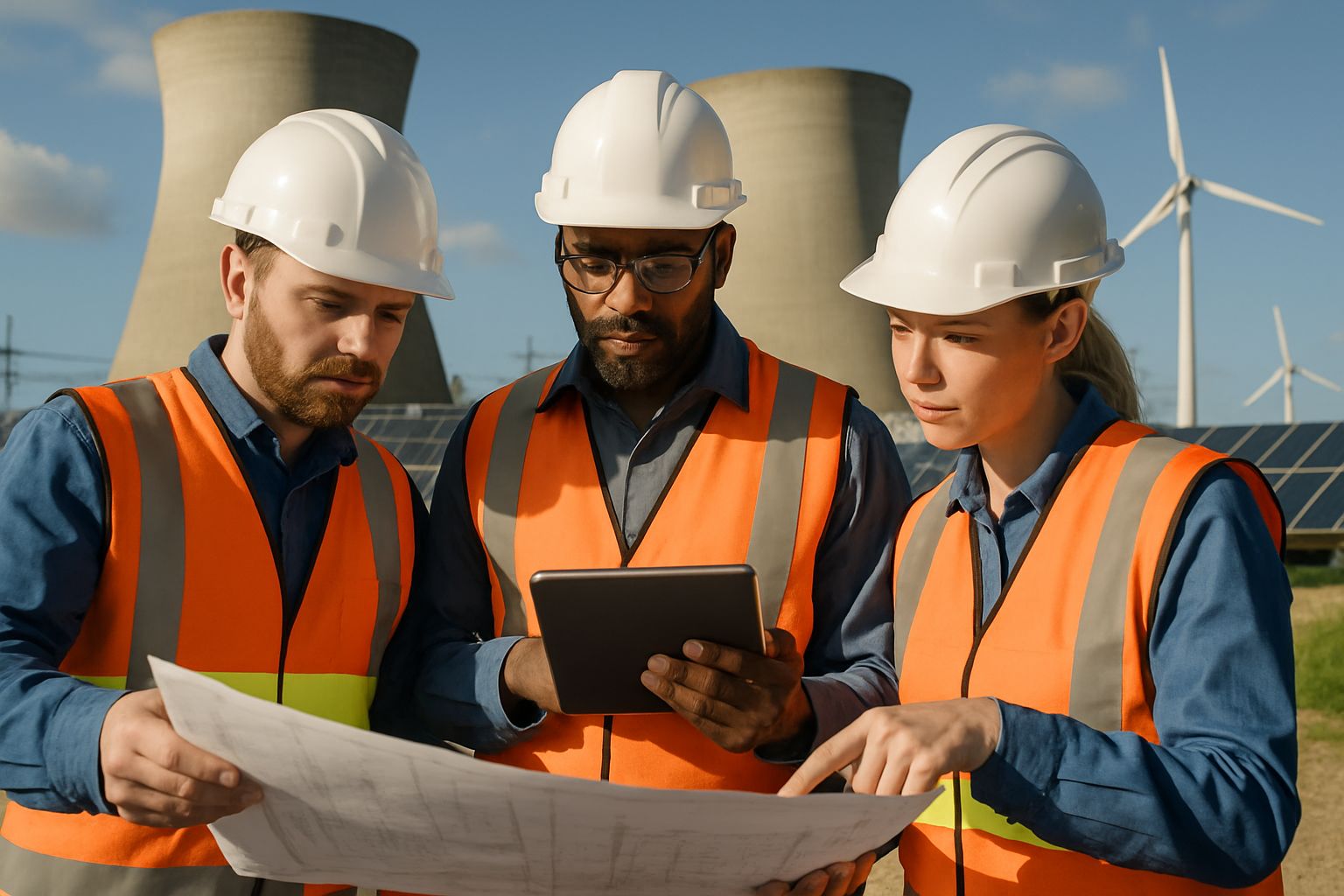
Meta's Nuclear Power Play
Meta first signaled its nuclear ambitions in June 2025 with a 20-year PPA for the entire 1,121 MW Clinton plant. However, the 2026 announcement catapulted the company into a new league. The Vistra agreement covers 2,176 MW from Perry, Davis-Besse, and Beaver Valley plus 433 MW of uprates.
Additionally, Meta obtained rights to eight Natrium units from TerraPower, totaling 2.8 GW of baseline output. Oklo secured offtake support for a 1.2 GW Aurora campus in Ohio. Therefore, Meta now holds contractual paths to 6.6 GW—roughly 7 percent of today’s U.S. fleet.
These figures underscore the firm’s pivot toward firm, zero-emission generation. Moreover, the primary keyword AI Energy Infrastructure appears at the heart of Meta’s public rationale. Meta insists that only constant nuclear supply can match the compute loads expected from future large-language models.
The scale dwarfs earlier renewable buys. Consequently, rivals must reassess procurement roadmaps. These milestones illustrate Meta’s strategic depth. In contrast, many peers still rely on spot power markets.
Meta’s early action demonstrates confidence in Nuclear Power durability. The company also gains political capital by supporting regional jobs and fuel supply chains. These advantages set the stage for the next discussion.
Capacity Deals and Timelines
Timelines matter because data-center loads arrive faster than reactors. Consequently, Meta’s package blends immediate supply with long-term bets.
Deal Highlights in Numbers
- Vistra operating plants: 2,176 MW under contract
- Vistra uprates: 433 MW planned
- TerraPower Natrium rights: 2.8 GW baseline, first units circa 2032
- Oklo Aurora campus: 1.2 GW, phased from 2030
- Constellation Clinton PPA: 1,121 MW starting 2027
Furthermore, Meta expects most uprates and the Clinton supply online by 2027. Advanced reactors arrive later, yet they provide optionality. Meanwhile, the PJM grid operator welcomes firm capacity that supports regional reliability.
Therefore, AI Energy Infrastructure planning hinges on staggered milestones. In contrast, renewables often deliver within two years but face intermittency. Meta’s hybrid schedule balances urgency and durability.
These timelines illustrate pragmatic engineering. However, first-of-a-kind risks remain for TerraPower and Oklo. A brief summary follows. Consequently, our next section explores data-center impacts.
Impacts on Data Centers
Hyperscale campuses already dominate regional load forecasts. Moreover, training frontier models can draw hundreds of megawatts per site. Meta’s Prometheus complex in Ohio exemplifies the trend.
AI Energy Infrastructure must therefore provide constant, low-carbon electricity. Nuclear Power fits that specification because it operates 24/7. Additionally, Natrium reactors integrate on-site storage, allowing flexible output during peak demand.
Data Centers also gain public-relations benefits from carbon-free supply. Consequently, community pushback over emissions and grid stress may soften. Nevertheless, water use, transmission upgrades, and local land impacts still require mitigation.
Meta will integrate the contracted power through long-term PPAs. Furthermore, load balancing across multiple grids reduces outage risk. In contrast, short contract tenors expose firms to volatile prices.
These dynamics reinforce why Meta references AI Energy Infrastructure in every investor briefing. Meanwhile, competitors such as Microsoft and Google track the experiment closely. The following section examines market risks.
Risks and Market Context
Every advanced reactor faces licensing hurdles. Moreover, federal regulators must approve novel fuel types like HALEU. Consequently, project delays could force Meta to hedge with gas or additional renewables.
Cost overruns represent another challenge. In contrast with historic gigawatt plants, SMRs promise modular efficiency yet remain unproven commercially. Therefore, analysts warn of budget creep that could erode projected savings.
Additionally, Nuclear Power critics highlight opportunity costs. Money directed at reactors might instead deploy solar-plus-storage today. Nevertheless, firm capacity remains scarce in many regions, especially during winter peaks.
Hyperscalers sometimes draw community scrutiny over water and land footprints. Meta has pledged local workforce investments to ease concerns. Furthermore, federal tax credits under the Inflation Reduction Act improve project economics.
These risks emphasize due diligence. However, Meta’s diversified portfolio and phased timelines mitigate many uncertainties. Subsequently, we consider strategic lessons for industry peers.
Strategic Lessons for Hyperscalers
First, lock in diverse supply early. Meta’s multiyear lead may secure priority reactor slots. Secondly, blend near-term uprates with long-term builds to match phased server additions.
Advanced Reactors Explained Briefly
Natrium units pair sodium cooling with thermal storage, enabling flexible dispatch. Meanwhile, Oklo’s fast reactors promise compact footprints. Both designs aim for factory production, lowering capital intensity.
Furthermore, corporate offtake can accelerate licensing by signaling bankable demand. Consequently, utilities gain confidence to file applications. Hyperscalers should engage regulators early to streamline review cycles.
Professionals can deepen expertise through the AI Prompt Engineer™ certification. Such knowledge helps evaluate AI Energy Infrastructure trade-offs during procurement.
Moreover, transparent community outreach builds social license. Meta’s PR playbook pairs economic messaging with environmental benefits. In contrast, silent development often breeds resistance.
These insights guide peers as competition for clean power intensifies. Therefore, leaders must act decisively while maintaining flexibility.
Meta’s nuclear gamble redraws corporate energy strategy. Firm, carbon-free supply now sits at the core of AI Energy Infrastructure planning. Moreover, the deals could jump-start advanced reactor commercialization. Nevertheless, regulatory approval and construction timelines will test execution.
Consequently, hyperscalers face a strategic fork: replicate Meta’s path or innovate alternative solutions. Readers should monitor filings, NRC dockets, and market prices to gauge progress.
Conclusion and Next Steps
Meta has rewritten the clean-power playbook. Its 6.6 GW portfolio blends immediate PPAs with ambitious reactor developments. Furthermore, the approach aligns persistent AI workloads with firm Nuclear Power while supporting domestic supply chains.
Nevertheless, execution risks and cost uncertainties remain. Stakeholders must track licensing milestones and budget updates. Meanwhile, professionals can strengthen decision-making skills with the linked certification.
Act now. Evaluate your organization’s energy roadmap, engage with regulators, and explore advanced reactor partnerships. The future of AI Energy Infrastructure will reward proactive strategies.


