

AI CERTs
3 months ago
Behavioral Biometric Fraud Detectors Boost Passwordless Security
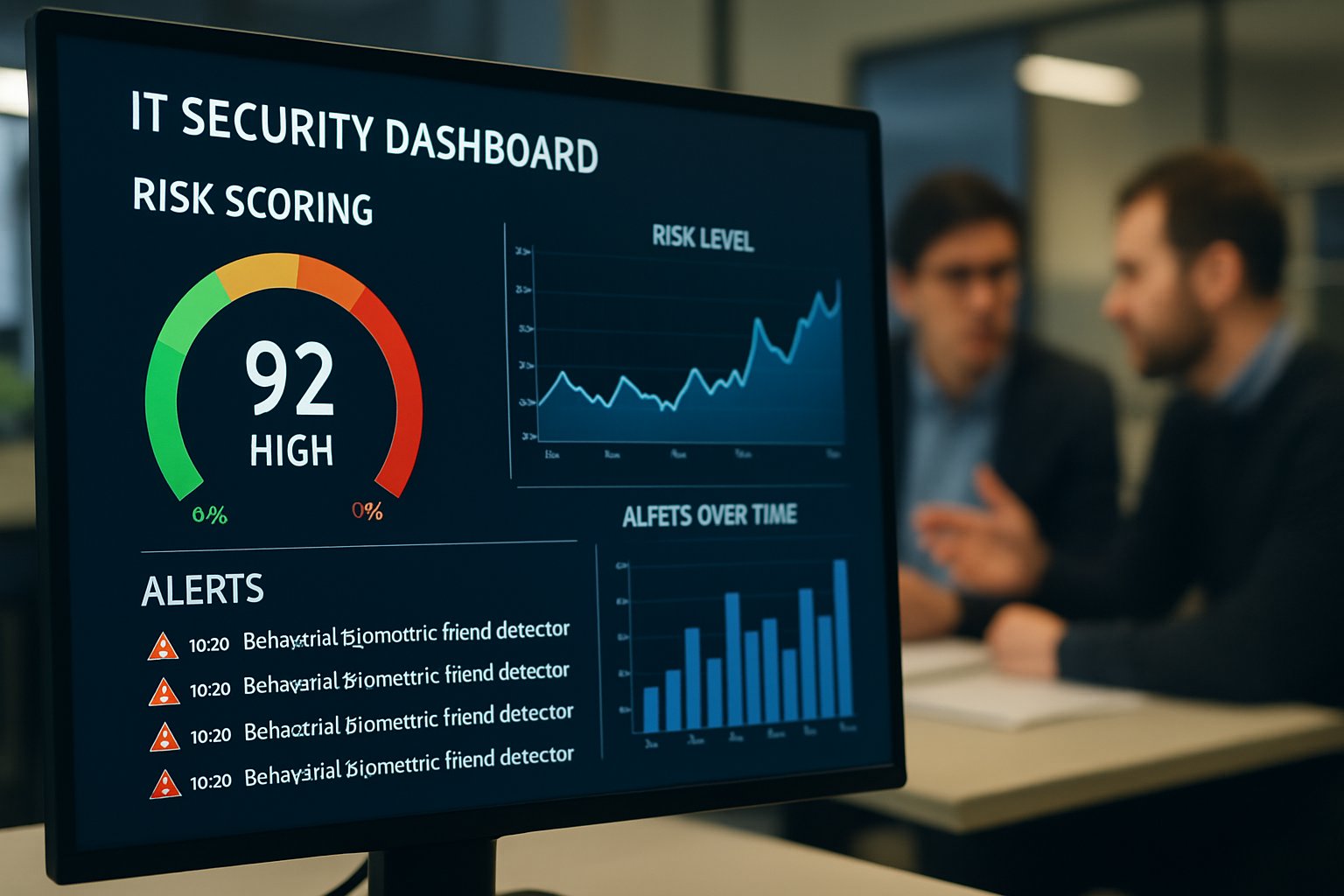
Passwordless adoption is surging, yet attackers remain persistent. Consequently, security leaders now pair passkeys with behavioral biometric fraud detectors. These silent guardians monitor keystrokes, gestures, and device handling without extra user steps. Moreover, they detect anomalies within 300 ms, enabling rapid step-up checks. The approach improves usability while raising barriers for impostors. As regulatory clarity arrives, the market momentum demands close attention.
Market Momentum Accelerates Rapidly
Industry metrics signal robust growth. Global reports valued the behavioral biometrics market near $3 billion in 2025 and forecast 20% annual expansion. Meanwhile, FIDO Alliance data shows 93% account eligibility for passkeys and 73% faster logins. Therefore, organizations seek complementary signals that keep sessions safe after login. Behavioral biometric fraud detectors answer that call by layering continuous scrutiny over phishing-resistant credentials.
Two forces drive acceleration:
- Standards upgrades such as NIST SP 800-63B now endorse syncable authenticators.
- World Passkey Day campaigns boosted consumer awareness to 74% in 2025.
These numbers illustrate mainstream readiness. However, stakeholders still question long-term accuracy and privacy.
Strong adoption metrics highlight real traction. Nevertheless, understanding vendor moves offers deeper insight into competitive dynamics.
Vendor Moves Signal Confidence
Strategic acquisitions underscore market validation. Ping Identity bought Keyless in 2026 to integrate zero-knowledge biometrics and thwart AI impersonation attempts. BioCatch reported $160 million ARR by mid-2025 after securing Nasdaq Verafin as a partner. Additionally, Transmit Security launched a fully passwordless platform that embeds behavioral risk scoring. These milestones prove serious investment behind behavioral biometric fraud detectors.
Key vendor announcements over the past year:
- Ping + Keyless: privacy-preserving re-verification under 300 ms.
- BioCatch: 18% onboarding fraud reduction in one public deployment.
- TypingDNA: Gartner Hype Cycle recognition for passive analytics.
Consequently, buyers gain diverse choices across SaaS and on-premise delivery models.
Capital flows and product launches confirm momentum. In contrast, technical specifics reveal how these tools actually strengthen defenses.
Technical Benefits For Security
Behavioral biometric fraud detectors complement cryptographic authenticators in three core ways. First, they supply continuous session assurance, spotting takeovers even after a valid passkey login. Second, they score risk silently, reducing reliance on OTP or push prompts. Third, zero-knowledge techniques keep raw biometrics private, aiding compliance.
Furthermore, signals assist identity verification during onboarding by flagging bots or synthetic applicants. Banks leverage cognitive patterns to uncover money-mule networks invisible to device fingerprinting alone. Meanwhile, security teams use similar analytics internally to expose insider threats before damage occurs.
Technical synergy yields tangible results without harming experience. Consequently, attention shifts toward managing new risks.
Benefits boost protection measurably. Nevertheless, emerging challenges demand vigilant governance.
Emerging Risks And Challenges
No tool is flawless. False positives can lock legitimate users when typing styles change due to injury or stress. Moreover, deepfake “repeater” attacks attempt to spoof behavioral baselines with automated scripts. Privacy advocates warn that continuous monitoring may reveal health or mood patterns, creating compliance burdens. Therefore, organizations must implement strict data minimization and explainability controls.
Adversarial machine-learning research shows models drift over months, reducing detection accuracy. Subsequently, regular retraining and auditing become operational imperatives. Failing to budget for these tasks may erode promised gains.
Challenges illuminate operational complexities. However, structured deployment patterns mitigate many concerns.
Deployment Best Practice Patterns
Early adopters follow phased rollouts. They start with fraud detection during onboarding, then expand to continuous authentication for high-value actions. Additionally, multi-layer architectures combine passkeys, device biometrics, and behavioral scores for adaptive step-ups. Professionals can enhance their expertise with the AI Security Compliance™ certification to master these integrations.
Implementers should:
- Set clear false-positive thresholds aligned with support capacity.
- Use privacy-preserving templates to ease international data transfers.
- Align behavioral metrics with insider threats monitoring where appropriate.
Consequently, teams strike a balance between security and convenience.
Best practices deliver measurable ROI. Meanwhile, regulators shape the boundaries of permissible use.
Regulatory And Privacy Landscape
NIST now recognizes passkeys at AAL2, encouraging federal adoption. GDPR, however, still treats many behavioral signals as sensitive data, imposing consent and minimization duties. In contrast, zero-knowledge biometric matching may avoid some classifications, yet legal opinions vary across jurisdictions. Organizations should consult counsel and adopt transparent notices.
Furthermore, industry coalitions propose voluntary codes to standardize feature extraction and reporting. These initiatives aim to reduce vendor lock-in and support independent audits. Consequently, alignment with regulators and standards bodies will dictate long-term success for behavioral biometric fraud detectors.
Regulators provide guardrails for innovation. Therefore, leaders must watch evolving guidance while planning future investments.
Conclusion
Behavioral biometric fraud detectors now sit at the core of modern passwordless strategies. Market growth, vendor consolidation, and strong technical benefits drive adoption. Nevertheless, privacy, accuracy, and adversarial threats require structured governance. By pairing adaptive risk engines with robust compliance frameworks, enterprises can protect customers, stop insider threats, and streamline identity verification. Moreover, continuous learning through programs like the linked AI Security Compliance™ certification empowers teams to deploy these technologies responsibly. Act now to secure frictionless futures.


