

AI CERTs
1 day ago
How Quality Defect Recognition Systems Slash Manufacturing Waste
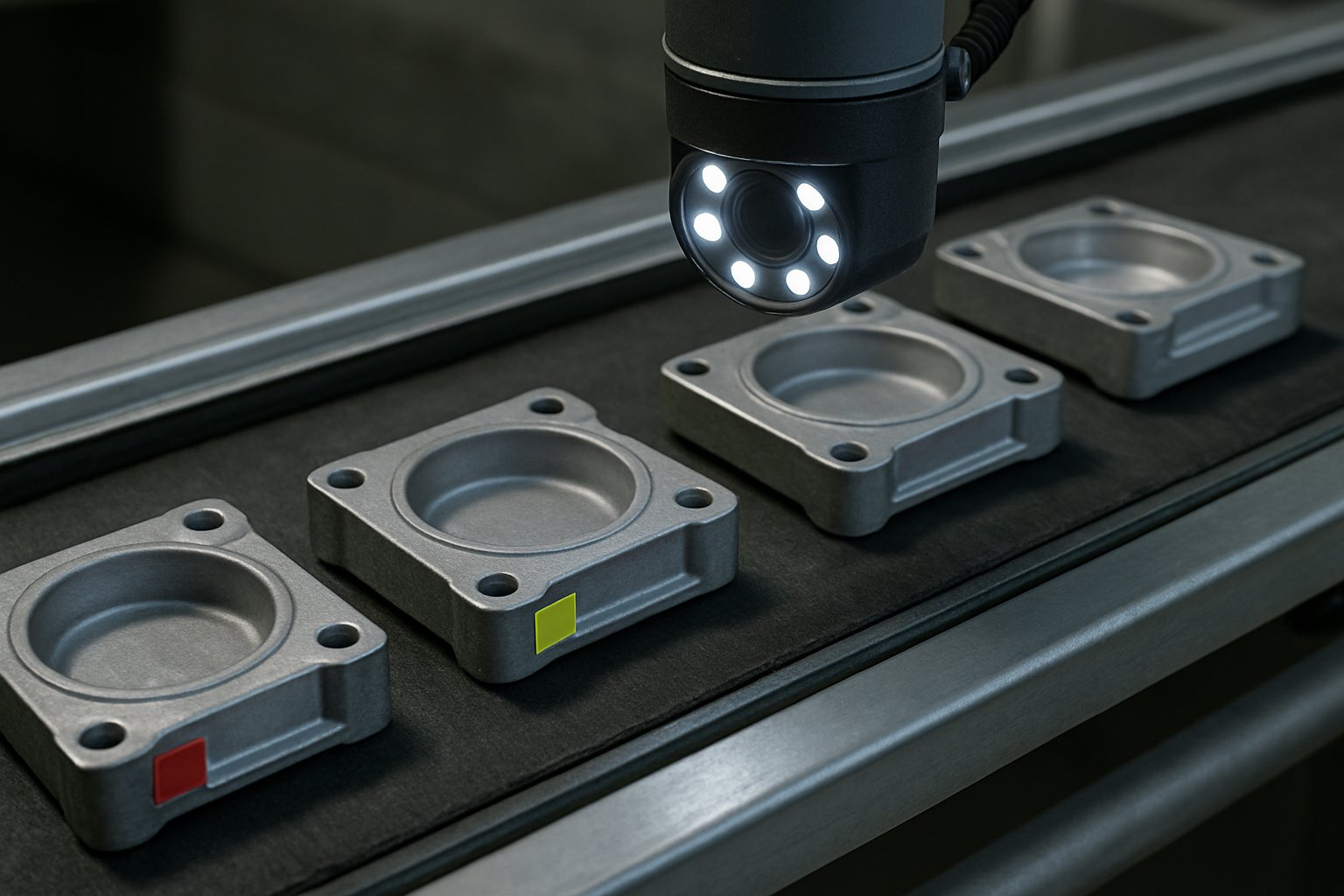
Manufacturers face relentless pressure to cut waste and protect margins. Consequently, many plants now pilot quality defect recognition systems that promise near-instant feedback on every part. These platforms pair cameras with machine-learning models to flag anomalies before scrap piles up. However, executives still ask whether early adopters truly bank savings at scale.
This feature examines current deployments, business impacts, and practical steps for repeatable wins. We draw on automotive, electronics, and pharma examples to show how factories turn pixels into profit.
Why Waste Still Persists
Traditional inspection relies on tired eyes and random sampling. Meanwhile, product variance, shorter cycles, and labor gaps raise escape risks. McKinsey estimates quality expenses can swallow 10-20% of manufacturing cost. Moreover, BCG finds only 5% of firms extract full AI value today. These gaps invite modern quality defect recognition systems to intervene.
Plants that miss subtle misalignments face downstream tear-downs, warranty hits, and environmental penalties. Therefore, leaders hunt data-driven safeguards that stop errors at line speed.
These pain points underscore the urgency for smarter tools. Subsequently, the narrative shifts toward computer vision innovation.
AI Vision Rapid Advances
Edge GPUs now crunch convolutional models beside conveyor belts. Furthermore, vendors such as Landing AI ship no-code labeling studios that let engineers tweak datasets in hours. Ford’s AiTriz platform inspects millimeter offsets across hundreds of stations, preventing costly door rework. Similarly, Siemens bundles closed-loop controls that automatically tune process parameters when defects spike.
These breakthroughs enable quality defect recognition systems to run with limited images and unstable lighting. In contrast, earlier machine-vision rigs demanded thousands of golden samples. Additionally, modern MLOps dashboards track data drift and schedule retraining overnight.
As capabilities mature, focus shifts from algorithm novelty to measurable business returns.
Documented Business Impact Benefits
Early adopters report tangible gains. Ford cites fewer recalls after integrating cameras with torque systems. Instrumental found 4.6% of electronics units carried hidden faults that slipped past three inspectors. Moreover, Bosch SDS claims up to 60% scrap reduction on pharma lines.
Key advantages appear repeatedly:
- Higher first-pass yield improvement across complex assemblies
- Lower rework hours and safer working conditions
- Rich defect telemetry that accelerates root-cause analysis
- Material savings that bolster sustainability metrics
Therefore, executives increasingly cite quality defect recognition systems during quarterly calls. Nevertheless, skeptics highlight selective vendor data and short pilot windows.
Balanced assessment demands a clear view of obstacles.
Key Deployment Roadblock Challenges
Data quality remains the lead blocker. McKinsey stresses that poorly labeled images cripple model accuracy. Additionally, brownfield factories often lack consistent lighting, making generalization hard. False positives also erode operator trust when alerts overwhelm dashboards.
Moreover, scaling one line’s model to dozens of SKUs requires disciplined MLOps, synthetic data, and governance. Workforce change management further complicates rollouts. Consequently, many pilots stall after initial excitement.
These hurdles highlight why only a fraction of plants unlock full yield improvement today. However, best practices are emerging.
Scaling Value Beyond Pilots
Successful leaders pair incremental milestones with robust KPIs. They measure scrap rate, first-pass yield, and warranty claims rather than raw model accuracy. Furthermore, they embed human-in-the-loop workflows so operators validate uncertain calls.
Ford’s team pipes camera flags into torque tools, letting techs fix misalignments immediately. Meanwhile, pharma lines divert suspect vials for secondary tests, preventing line stoppages. Such closed-loop logic turns alerts into action, sustaining confidence.
Importantly, repeatable wins require continuous learning pipelines. Landing AI’s edge orchestrator pushes fresh weights nightly, controlling drift. Therefore, quality defect recognition systems continue spotting new defect modes.
These lessons set the stage for structured rollout playbooks.
Practical Implementation Checklist Steps
Teams can follow a concise roadmap:
- Select high-cost defect families with clear baseline data.
- Adopt data-centric labeling and synthetic augmentation.
- Define business KPIs and monitor weekly.
- Design operator feedback loops for ambiguous cases.
- Plan edge retraining and governance processes.
- Upskill staff through relevant credentials such as the AI Network Security™ certification.
This checklist anchors transformations around measurable outcomes. Moreover, it supports continuous yield improvement as products evolve.
Consequently, factories gain confidence to expand quality defect recognition systems across global networks.
These concrete steps bridge strategy and execution. Ultimately, sustained diligence converts pilots into enterprise-wide impact.
Future Market Outlook Guide
Technavio projects double-digit growth for visual inspection AI over the decade. Additionally, automation giants now bundle turnkey packages, lowering adoption barriers. Consequently, analysts expect billions in avoided scrap and energy use.
Nevertheless, independent audits will shape credibility. Plants that publish transparent before-and-after KPIs will attract investment and regulatory goodwill. In contrast, firms that hide behind marketing slides risk stakeholder pushback.
Therefore, disciplined reporting, continuous learning, and skilled personnel remain essential for lasting yield improvement. The market’s trajectory depends on how quickly enterprises master these fundamentals.
These forecasts frame strategic priorities. Next, leaders must translate vision into day-to-day practice.
Consequently, momentum will hinge on execution quality rather than technology novelty.
Ultimately, factories embracing disciplined practices see durable gains. Moreover, continuous learning secures long-term competitiveness.
These insights wrap the discussion. However, action remains the final requirement for value realization.
Conclusion
Quality defect recognition systems now detect sub-millimeter faults at line speed. Consequently, early adopters report scrap cuts, faster root-cause discovery, and measurable yield improvement. Nevertheless, data quality, operator alignment, and MLOps rigor determine success. Moreover, certifications like the AI Network Security™ credential help teams build required skills. Therefore, leaders should pilot strategically, measure relentlessly, and scale confidently. Start today and transform waste into competitive advantage.


