

AI CERTs
3 months ago
How search visibility intelligence platforms reshape AI discovery
Generative AI answer engines are remapping online discovery. Brands now fight for citations inside ChatGPT, Gemini, and Perplexity. Consequently, marketers rush to new metrics beyond blue links. Among the hottest solutions are search visibility intelligence platforms. These tools monitor, score, and improve how AI systems surface branded content. Moreover, they provide workflows that blend SEO, PR, and data science. Gartner expects traditional search volume to drop 25% by 2026. Therefore, proactive teams are rethinking traffic, attribution, and reputation management. This article unpacks platform capabilities, vendor moves, and strategic implications. Readers will leave with practical steps to secure AI-era visibility.
AI Search Traffic Shift
Organic clicks are already eroding where AI Overviews appear. Ahrefs measured a 34.5% CTR decline on 300,000 informational queries. Meanwhile, Seer Interactive reports similar compression across paid placements. Consequently, traffic loss pushes executives toward alternative performance indicators.
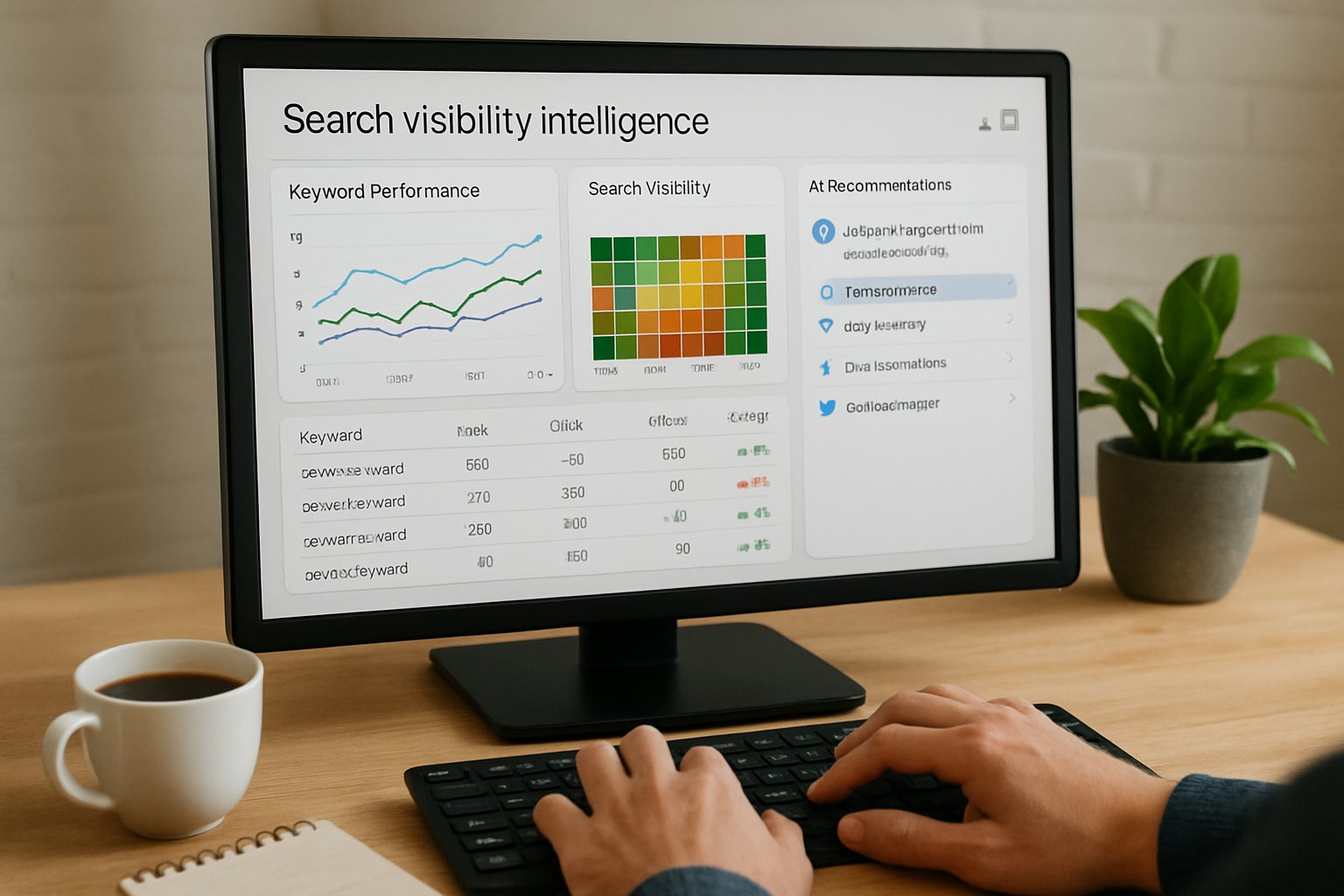
Visibility within the summary itself now shapes audience perception first. In contrast, citation placement can still direct high-intent users downstream. Zero-click surfaces therefore demand measurement of citation share, not only sessions. Marketers describe this shift as Generative Engine Optimization, or GEO.
However, many teams lack data on where their content appears inside AI answers. Traditional rank trackers seldom crawl conversational prompts or LLM chat windows. Consequently, new tracking categories emerged during 2024 and 2025.
Traffic patterns prove the urgency of new discovery metrics. However, specialized platforms are filling the insight gap.
Platforms Redefine AI Measurement
Search visibility intelligence platforms collect prompt datasets across major models. They compare brand mentions, citation frequency, and confidence scores across outputs. Semrush even built an AI Visibility Index using 2,500 enterprise prompts. Additionally, Akii and Indexly release freemium dashboards aimed at agencies.
BrightEdge, Wix, and Surfer embedded similar dashboards inside familiar SEO suites. Therefore, marketers can blend historic keyword data with emerging GEO signals. Platforms also recommend schema markup, llms.txt trials, and structured FAQs. Moreover, they score authority of linked sources to guide outreach priorities.
- Prompt share: percentage of test prompts citing a brand
- Answer rank: relative order of citations inside AI panels
- Confidence score: model probability attached to each citation
- Sentiment index: tonal analysis of summarized brand mentions
Together, these metrics translate AI behavior into actionable dashboards. Consequently, leadership can benchmark against rivals and track quarterly change.
These insights turn opaque AI outputs into measurable KPIs. Consequently, the vendor ecosystem merits closer examination.
Key Vendor Landscape Overview
The vendor map spans traditional suites and pure-play startups. Semrush positions its AI Visibility Index for enterprise benchmarking. Meanwhile, BrightEdge integrates GEO modules into its ContentIQ crawler.
- Semrush: benchmark dashboards for Fortune 500 marketers
- BrightEdge: integrated GEO tasks and survey research
- Akii: lightweight scoring for SMB and agency pilots
- Indexly: real-time LLM citation alerts
- Wix: CMS-level AI visibility guidance
Search visibility intelligence platforms differ in crawler coverage, model selection, and pricing. Consequently, teams often trial multiple tools before consolidation. Pricing ranges from free tiers to six-figure enterprise contracts.
Certification can support tool adoption by upskilling staff quickly. Teams strengthen skills via the AI for Everyone™ certification. Such training accelerates consistent GEO workflow adoption.
Vendor diversity offers choice but complicates procurement. However, strategic alignment remains essential moving forward.
Strategy Changes Required Now
AI answers reward clarity, authority, and machine readability. Therefore, content teams must expand schema coverage and supply canonical data. Publishers are building dedicated knowledge hubs with structured product specs. Moreover, PR teams pitch high-authority outlets to earn trusted citations.
KPIs also evolve from traffic volume to citation share and assisted conversions. In contrast, legacy dashboards undervalue zero-click engagement. Consequently, finance leaders require new attribution models quickly. Search visibility intelligence platforms feed those models with citation logs.
AI search optimization workflows now pair with content calendar decisions. Teams tag drafts for likely LLM inclusion before publication. Additionally, they monitor answer sentiment to refine messaging.
Effective strategy hinges on structured data and proactive measurement. Subsequently, organizations must balance opportunity with emerging risks.
Opportunities And Ongoing Challenges
Early adopters report smaller but higher quality referral streams. Moreover, agentic flows can trigger direct bookings inside chat interfaces. Brands appearing in top citations boost perceived expertise rapidly. Consequently, competitive moat widens for data-driven marketers.
Nevertheless, attribution gaps persist because Google hides AI Overview clicks. In contrast, llms.txt support remains inconsistent across leading models. Platform scoring methodologies also vary, complicating cross-tool comparisons. Therefore, pilot experiments are vital before major budgets shift.
- Validate metrics with server log sampling
- Run A/B tests on structured pages
- Compare multiple platform outputs monthly
Search visibility intelligence platforms facilitate these experiments at low cost. Additionally, they integrate with GA4 and CRM systems for revenue mapping.
Opportunities abound, yet hurdles require disciplined experimentation. Consequently, implementation guidance becomes the next priority.
Future Outlook And Action
Analysts expect vendor consolidation during 2026 as standards mature. Meanwhile, Google may release official AI Overview reporting APIs. Consequently, data completeness should improve for enterprise dashboards. Nevertheless, measurement lags will persist until major engines open click APIs. Organizations preparing today will outpace rivals during that transition.
Leaders should assemble cross-functional GEO task forces within marketing. Teams then audit existing AI search optimization processes quarterly. Additionally, deploy two search visibility intelligence platforms for validation. Regular war-room reviews keep stakeholders aligned and accountable. Document results and refine content indexing practices accordingly.
Prepared teams gain strategic headroom before measurement systems stabilize. Meanwhile, the following conclusion distills next steps.
Effective leaders now trust search visibility intelligence platforms over gut assumptions. Consequently, pairing those search visibility intelligence platforms with rigorous AI search optimization delivers measurable lift. Structured pages that follow strict content indexing guidelines surface more often inside AI answers. Moreover, continuous audits using two complementary search visibility intelligence platforms quickly expose emerging gaps. Teams should benchmark citation share, refine content indexing, and iterate monthly. Meanwhile, upskilling staff through the earlier certification speeds execution. Therefore, act now to evaluate search visibility intelligence platforms and recalibrate AI search optimization before competitors accelerate. Adopt pilot tools today, share findings, and lead your organization into AI-indexed dominance.


