

AI CERTS
3 months ago
AI Misinformation: Disaster Videos Fuel Crisis Chaos
Consequently, emergency agencies scramble to verify visuals before issuing guidance. Meanwhile, nation-state propagandists and profit-seeking creators exploit engagement algorithms. The result is a volatile information space where trust erodes quickly. AI Misinformation has become a strategic risk that professionals must understand.
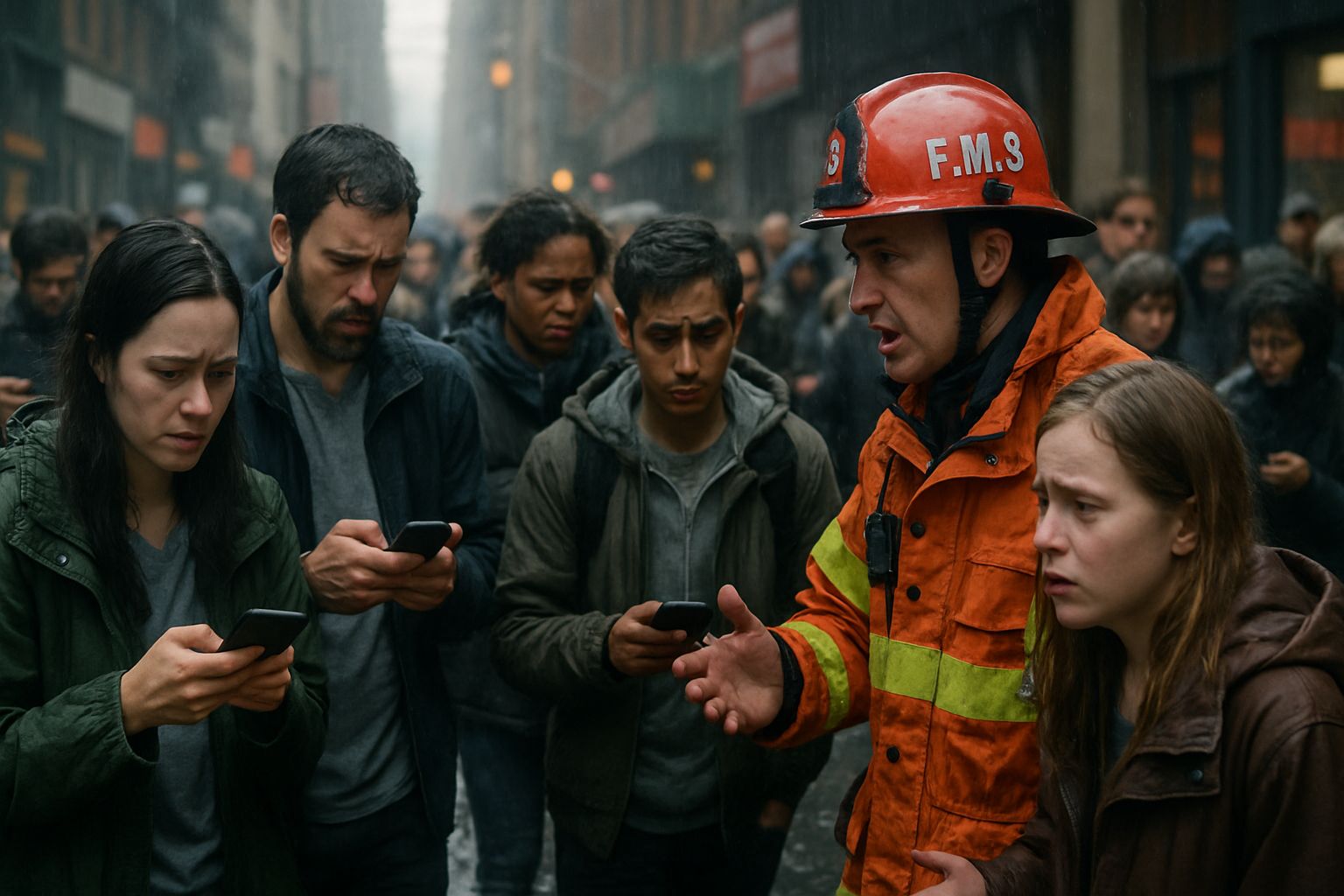
Synthetic Video Threat
OpenAI, Google, and Runway released advanced text-to-video models throughout 2025. These tools create photoreal scenes from short prompts. Moreover, mobile interfaces lowered skill barriers. One report counted over 900,000 synthetic incidents last year alone. AI Misinformation flourishes because audiences still expect moving images to prove reality.
Disasters offer perfect emotional hooks. Creators harvest authentic headlines, then add fake visuals. In contrast, forensic teams struggle to keep pace. Their detectors often fail when styles change. Viral bear-attack clips across Japan showed this gap. Viewers shared them millions of times before labels appeared.
These challenges highlight rising stakes. Nevertheless, coordinated defences are emerging. The next section details recent crisis examples.
Viral Disaster Examples
Three incidents define the current landscape:
- Kamchatka tsunami panic: one synthetic clip gained 39 million views across Meta and TikTok.
- Myanmar earthquake aftermath: creators reused model watermarks, yet posts still circulated widely.
- Japanese wildlife scares: fake bear encounters compounded already tense local alerts.
Each case shows AI Misinformation exploiting real Disasters. Panic Spread faster than official bulletins. False context overwhelmed search results for hours. These patterns underscore the urgency of better provenance. Therefore, agencies now prioritise verification pipelines before public statements.
Improving detection remains pivotal. The following section explains technical bottlenecks.
Real Emergencies Collide
Emergency managers navigate chaotic timelines. Authentic sensor data arrives alongside suspect footage. Additionally, platform dashboards rarely expose origin metadata. The liar’s dividend compounds confusion because officials fear accusations of censorship when disputing clips.
Sensity records indicate an attempted deepfake attack every five minutes during 2025. Furthermore, over 10,000 generation tools circulate online. Such availability ensures fresh AI Misinformation in every major crisis. Disasters now arrive with an information aftershock.
Two key numbers emphasise scale. First, deepfake markets could surpass USD 13.8 billion by 2032. Second, detection accuracy drops up to 30% when models leave laboratory conditions. Consequently, responders cannot rely solely on automated filters.
The evidence proves technology alone will not solve verification gaps. However, policy momentum offers hope, as explored next.
Technical Arms Race
Researchers refine diffusion-forensics, heartbeat cues, and compression fingerprints. Nevertheless, adversaries test outputs against public detectors before uploading. In contrast, closed platform signals remain proprietary. Therefore, cross-platform enforcement breaks easily when users repost downloaded clips.
Progress exists. Adobe, Microsoft, and Twitter joined the Content Authenticity Initiative. Cryptographic hashes can survive resizing. Yet visible labels vanish once edits occur. False reassurances then mislead viewers. The arms race continues unabated.
These dynamics illustrate the necessity of parallel legal measures. The subsequent section outlines regulatory activity.
Detection Tools Lag
As synthetic content accelerates, businesses demand robust protection. Moreover, insurance providers consider premium adjustments tied to verification readiness. AI Misinformation incidents threaten brand trust and stock price stability.
Professionals therefore pursue structured learning. They can strengthen governance through the AI Executive Essentials™ certification. Coursework covers provenance frameworks, risk assessments, and response playbooks. Consequently, graduates guide organisations through crisis communication hurdles.
Meanwhile, detector vendors publish encouraging dashboards. However, independent tests reveal generalisation flaws. Detectors often miss low-contrast outputs or vertical formats. Spread across Shorts and Reels, such content evades many enterprise gateways. Disasters rarely allow the luxury of manual review at scale.
Detection deficits underscore the need for policy clarity. Let us examine evolving standards.
Mitigation Best Practices
Organisations combine technical, procedural, and educational measures:
- Embed C2PA credentials during content creation.
- Mandate staff drills on synthetic media spotting.
- Maintain rapid channels with fact-checking partners.
- Automate takedown notices for top platforms.
- Track incident metrics to guide investment.
These steps create layered resilience against AI Misinformation. Nevertheless, they require sustained funding and executive support. False savings today invite costly confusion tomorrow.
The policy environment may provide additional incentives. The final content section reviews current legislative moves.
Policy Standards Evolve
The European Commission released a draft Code of Practice in December 2025. It operationalises Article 50 of the AI Act. Furthermore, it mandates machine-readable labels for synthetic audio, images, and Video.
Meanwhile, C2PA version 2.2 introduces tamper-evident chains. Platforms like YouTube pilot automatic credential surfacing. Nevertheless, enforcement remains uneven outside Europe. In contrast, US bills focus on political ads instead of wider Disasters footage.
Industry coalitions lobby for harmonised terminology. Moreover, watchdogs push for transparent takedown statistics. Without shared metrics, progress claims risk appearing False. Therefore, regulators and firms negotiate timelines that balance innovation with safety.
Policy momentum signals recognition of the problem. However, impact depends on consistent adoption and public literacy. The concluding section synthesises key insights.
Technical advances fuel creation; policy seeks containment. These twin forces will shape future crisis communication.


