

AI CERTS
3 months ago
Mobile Silicon Redefined: Inside Snapdragon X2 Elite Laptop Chip
Furthermore, Qualcomm touts superior performance-per-watt, claiming 31 percent CPU gains at equal power over its predecessor. The chip blends new Oryon CPU cores, an upgraded Adreno GPU, and an 80 TOPS Hexagon NPU in one SoC. Consequently, OEM partners hope to deliver thin, long-running laptops that still accelerate Copilot+ workflows locally.
However, vendor slide numbers require independent validation when retail units ship in 2026. In contrast, critics caution that Windows application compatibility and driver readiness remain potential roadblocks for mass adoption. Subsequently, early benchmarks and real battery tests will influence purchasing decisions more than any launch keynote.
High Arm Laptop Stakes
Windows on Arm has chased mainstream relevance for almost a decade. Consequently, each new processor cycle raises expectations for decisive progress. Snapdragon X2 Elite represents Qualcomm's most aggressive bid yet. Meanwhile, Apple’s M-series and Intel’s Meteor Lake keep raising the performance bar. Therefore, market analysts frame the 2026 launch window as a crucial tipping point. Mobile Silicon leadership could shift once enterprise buyers witness credible battery and AI advantages.
Nevertheless, that outcome hinges on seamless software experiences and competitive device pricing. Additionally, Microsoft has tied its Copilot+ roadmap to these chips, amplifying executive pressure. X2 raises stakes for Arm notebooks while competitors guard share fiercely. Next, we inspect technical changes driving the hype.
Wider Market Context Shifts
PC demand softened during 2024, yet premium models still commanded margin. Consequently, vendors now target differentiated experiences rather than pure specifications. Mobile Silicon built for AI aligns perfectly with that strategic pivot. Qualcomm positions X2 as the engine for responsive Copilot+ assistants, local transcription, and live translation. Moreover, Microsoft echoes this narrative during Windows 11 26H1 briefings. In contrast, Intel promotes Meteor Lake’s integrated AI engines while AMD showcases Ryzen AI upgrades.
Apple, meanwhile, already ships advanced on-package memory and swift NPUs in its M-series. Therefore, cross-platform competition will intensify as each vendor markets specialized silicon narratives. Market momentum favors differentiated AI workflows over raw frequency numbers. Subsequently, examining architecture details clarifies Qualcomm’s competitive positioning.
Key Core Architecture Highlights
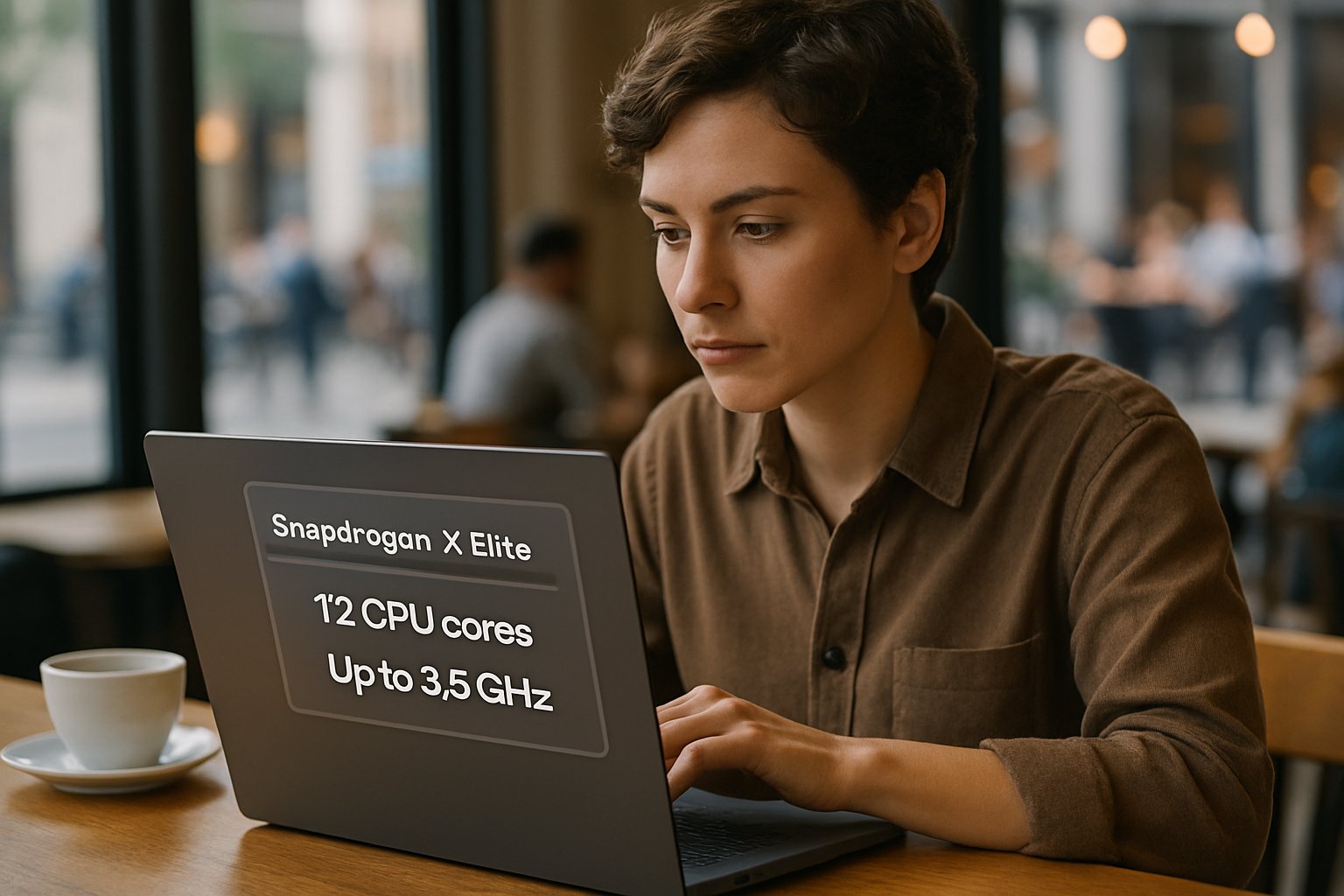
X2 uses new Oryon cores fabricated on TSMC’s 3 nm process for the Extreme SKU. Additionally, up to 18 cores combine two Prime, six Performance, and ten Efficiency variants. Prime cores can briefly turbo to 5.0 GHz, according to vendor demos. Snapdragon materials tout sustained 4.4 GHz on those same cores under multi-thread load. Moreover, integrated LPDDR5x memory in a SiP configuration delivers 228 GB/s bandwidth on the Extreme reference board. Other Elite bins use off-package memory, offering around 152 GB/s. Qualcomm claims this architecture achieves 31 percent higher CPU output at iso-power versus the first X generation. Nevertheless, reviewers will need prolonged render or compile loops to verify sustained headroom.
- 18 Oryon cores, 5.0 GHz boost
- 80 TOPS Hexagon NPU integrated
- Adreno X2-90 GPU with DX12 Ultimate
- 228 GB/s on-package bandwidth
Collectively, these specifications outline impressive headroom for future workloads. However, AI capability remains the marquee talking point, so we analyze it next.
Bold AI Performance Claims
Qualcomm rates the Hexagon NPU at 80 TOPS using INT8 precision. Furthermore, the company calls it the fastest laptop inference engine announced to date. Snapdragon slides even compare favourably against Apple M4 and Intel Lunar Lake projections. Procyon Vision tests on reference hardware scored roughly 4,150, surpassing prior X Elite numbers. Moreover, on-device large-language model inference hit 16 tokens per second with 7 billion-parameter weights.
Nevertheless, such headline figures require ecosystem support through Windows AI APIs and ISV plugins. Mobile Silicon ambitions rely on developers optimizing architectures, quantization, and memory usage for the Hexagon blocks. Consequently, early adopter feedback will determine whether promised latency savings reach production workflows. The raw NPU horsepower impresses on paper yet hinges on software maturity. Subsequently, enterprise security also enters the conversation.
Enterprise Platform Features Spotlight
Beyond raw speed, the vendor highlights platform capabilities designed for corporate fleets. Guardian introduces out-of-band management, secure boot metrics, and remote wipe within the SoC. Additionally, FastConnect 7800 supports Wi-Fi 7 with multi-link throughput exceeding 5 Gbps. Optional X75 modem extends always-connected coverage on compatible SKUs. Moreover, PCIe 5 lanes allow discrete GPU docks or high-speed storage arrays. Mobile Silicon reliability now intertwines with device management, not just performance charts. Consequently, IT administrators will scrutinize Guardian telemetry integration with existing MDM suites. Professionals can enhance their expertise with the AI Robotics™ certification.
Enterprise-grade features strengthen X2’s story beyond sheer benchmarks. Therefore, risk analysis shifts next to broader competitive doubt.
Competitive Landscape And Risks
Past Qualcomm laptop efforts struggled against entrenched x86 ecosystems. Nevertheless, power efficiency advances now grant Mobile Silicon a stronger narrative. However, Windows binary translation still reduces frame rates in some popular games. Anti-cheat services also lag, blocking competitive e-sports titles on Arm hardware. Furthermore, independent analysts worry about OEM thermals limiting 5 GHz boosts during sustained compilations.
In contrast, Apple leverages vertical control to ensure consistent MacBook performance under load. Intel and AMD, meanwhile, will respond with higher-stack Meteor Lake and Strix Point refreshes. Risks span software, thermals, and market inertia. Subsequently, timelines become vital, so we outline upcoming milestones.
What Happens Next Stage
CES 2026 will reveal the first X2 notebooks and detachable tablets. Qualcomm expects volume shipments during the second quarter. Meanwhile, Microsoft plans to ship Windows 11 26H1 with enhanced Arm drivers and Copilot+ features. Developers already receive updated ONNX runtimes and DirectML extensions for the new accelerator. Mobile Silicon validation labs will measure battery life across mixed AI, office, and streaming workloads. Consequently, early benchmark embargoes could lift before mid-year, guiding procurement roadmaps. Professionals interested in AI hardware strategy should follow IEEE P3100 committees and upcoming SPEC benchmarks.
Milestones arrive quickly, compressing validation schedules for enterprises. Therefore, reviewing final considerations now will support smoother adoption.
Qualcomm’s X2 project promises a generational leap for Mobile Silicon in Windows laptops. New Oryon cores, blistering GPU updates, and an 80 TOPS NPU target demanding creative and enterprise tasks. Furthermore, Guardian management and Wi-Fi 7 connectivity strengthen the platform’s corporate appeal. Nevertheless, software readiness, OEM thermal design, and real battery data will determine ultimate success. Consequently, professionals should monitor CES launches, early reviews, and Microsoft driver rollouts before committing budgets. For deeper insight into applied AI hardware, explore the AI Robotics™ certification today.


