

AI CERTS
3 months ago
Korean Won Turbulence: How Currency Risk Drives Capital Flight
In contrast, Seoul moved quickly, activating its so-called F4 crisis network to calm trading desks. Authorities promised unlimited liquidity and hinted at direct dollar sales. Meanwhile, foreign funds still questioned policy stamina because reserves had fallen from earlier peaks. Therefore, the tension between fire-fighting actions and structural imbalances remains the central narrative for 2025. Professionals monitoring cross-border allocations must understand how Capital flight pressures build, why they persist, and which tools can contain them. The following analysis unpacks recent data, evaluates policy choices, and maps actionable signals for hedgers confronting Currency Risk ahead.
December Capital Outflow Shock
December’s figures surprised even seasoned dealers. Foreigners withdrew more than $3.8 billion, according to Bank of Korea data. Furthermore, cumulative sales since August 2024 exceeded $14 billion, underscoring persistent Capital flight. The won closed the year near 1,472.5 per dollar after briefly touching 1,487. Nevertheless, officials argued fundamentals had not deteriorated as severely as markets implied.
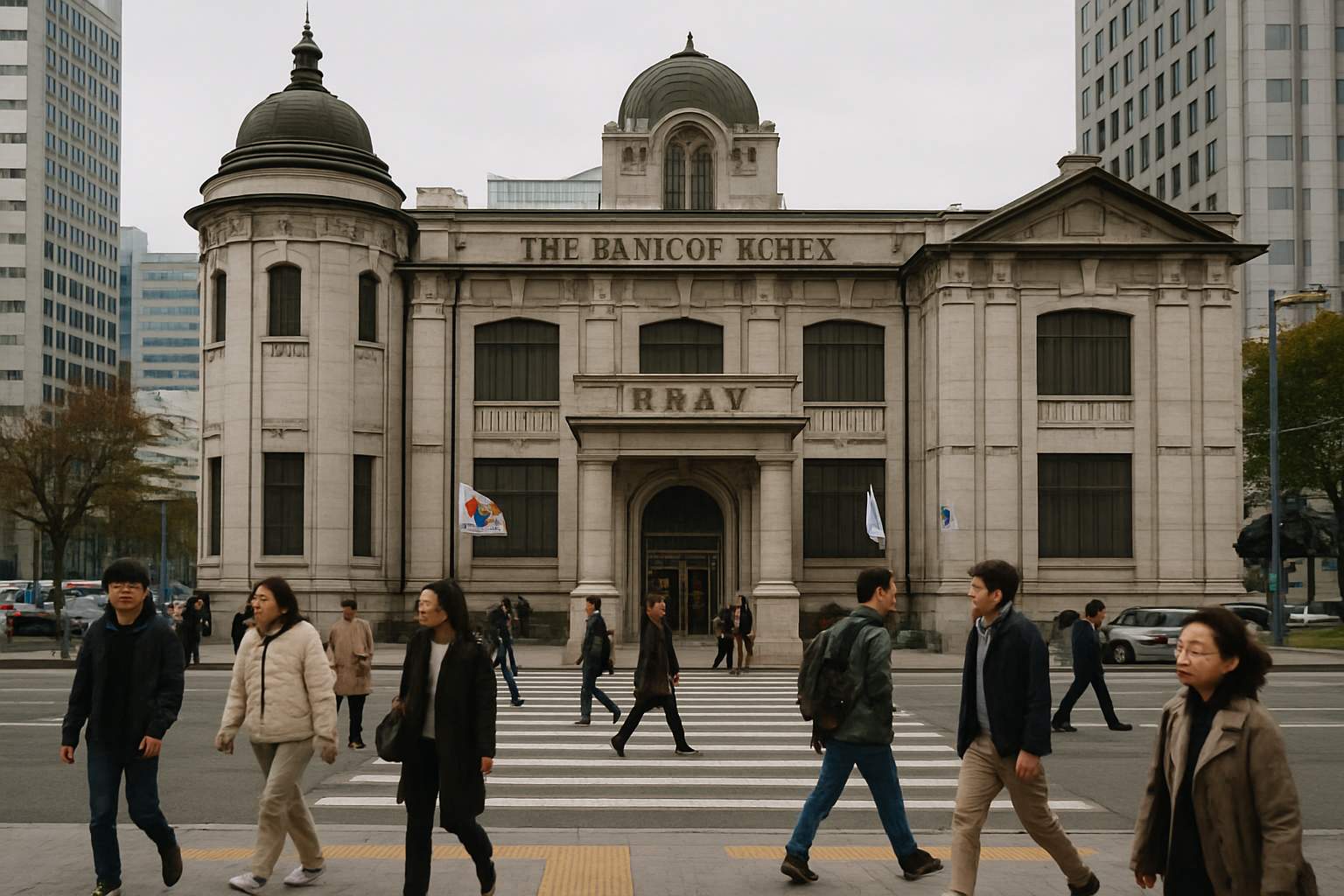
External comparisons support that claim. S&P regional currency indices showed softer moves elsewhere, yet Korea ranked among the worst performers. Moreover, Global funds cited political uncertainty and stretched valuations when explaining the accelerated exit. Consequently, domestic retail investors also rushed to overseas platforms, amplifying dollar demand.
These numbers illustrate how quickly sentiment shifts when Currency Risk narratives gain traction. However, data alone cannot predict the next move. Therefore, understanding policy reaction functions becomes critical.
Managing Currency Risk Pressure
The F4 coalition reacted within hours of the December shock. Additionally, the central bank pledged “smoothing operations” and prepared swap auctions to flood dollars into banks. Finance officials repeated that Currency Risk would be “contained decisively,” a phrase designed to deter speculators. Meanwhile, Bank of Korea Governor Rhee Chang-yong called recent won swings “a little excessive” during a CNBC interview.
Market participants took notice. Consequently, intraday volatility cooled, and the currency regained several figures within two sessions. Nevertheless, S&P futures traders still demanded wider hedging buffers when holding Korean exposure. Furthermore, Global asset managers trimmed position limits, citing lingering headline risk.
Professionals can enhance their expertise with the AI Customer Service™ certification. The program sharpens analytical communication skills that help teams explain Currency Risk scenarios to stakeholders.
Rapid statements helped, yet liquidity support carried costs. Therefore, reserve depletion concerns resurfaced quickly, forcing authorities to expand their toolkit, as the next section explains.
Official Crisis Firefighting Measures
Beyond verbal intervention, Seoul broadened mechanical defences. Moreover, it extended a swap line with the National Pension Service to $65 billion. Subsequently, the NPS received authority to deploy strategic hedges, reducing day-to-day dollar bids. In contrast, previous cycles relied almost solely on reserves, which now stand near $415.6 billion. Such liquidity shields aim to stem outflows by satisfying institutional demand at home.
The finance ministry also relaxed kimchi bond rules. Consequently, corporates can issue foreign-currency paper domestically, attracting Global investors and injecting offshore funds into local accounts. Officials framed these steps as medium-term shock absorbers rather than quick fixes.
Nevertheless, each intervention creates secondary effects. For instance, sterilized dollar sales may tighten local liquidity, pressuring bank funding. Furthermore, repeated actions might invite S&P downgrades if fiscal buffers erode. Therefore, balancing speed and sustainability defines the heart of contemporary Currency Risk management.
These layered measures stalled panic for now. However, structural factors still lean against the won, as our next section details.
Key Structural Pressure Points
Several deeper trends explain why pressure persists. Firstly, Korea’s current-account surplus narrowed as semiconductor exports slowed. Secondly, domestic savers increasingly diversify abroad, creating steady Capital outflow unrelated to headlines. Moreover, derivative hedges held by leveraged funds magnify every local move through stop-loss triggers.
External variables matter equally. U.S.–China trade frictions regularly shift allocation models toward safer U.S. assets. Consequently, the dollar strengthens, and Currency Risk in export-oriented economies spikes. In contrast, synchronized rate cuts could reverse some flows, yet timing looks uncertain.
S&P forecasts illustrate the dilemma. The agency expects modest Korean growth and sticky inflation, limiting scope for BOK easing. Therefore, yield spreads may stay unattractive relative to the United States, sustaining outward pressure on the currency.
These structural drivers cannot be solved overnight. However, effective scenario planning can mitigate shocks, as outlined next.
Practical Scenario Planning Steps
Risk teams need simple, actionable playbooks. Consider the following checklist:
- Track daily Bank of Korea FX reserve updates and spot volumes.
- Monitor NPS hedging announcements for sudden shifts in dollar demand.
- Compare Korean currency moves against regional currency indices for divergence signals.
- Use option implied volatilities to gauge near-term Currency Risk premia.
- Stress portfolios under 1,550 won per dollar to test liquidity buffers.
Additionally, communicate findings across desks quickly. Professionals with the previously mentioned AI Customer Service™ credential can translate technical alerts into clear client updates.
Executing this checklist reduces blind spots. Consequently, organisations stay ahead of Capital flight waves and maintain trust with Global partners. The next section lists hard data triggers worth adding to dashboards.
Key Monitoring Data Triggers
Timely information often prevents surprises. Moreover, Bank of Korea’s monthly “International Financial and Foreign Exchange Market Trends” report remains indispensable. Consequently, analysts should mark release dates and pre-build extraction scripts.
Meanwhile, NPS committee minutes occasionally reveal hedge activation thresholds. Additionally, finance ministry statements hint at swap auctions or reserve usage. Investor sentiment can change overnight, reshaping currency calculations instantly.
Consider a secondary watchlist:
- Net foreign holdings of KOSPI stocks and Korean government bonds.
- Forward points on three-month dollar-won contracts.
- S&P sovereign outlook updates or rating actions.
- Commodity import prices, especially energy, that affect trade balances.
Collecting these metrics builds an early-warning radar. Therefore, organisations can act before Capital flight accelerates again.
Strategic Takeaways And Outlook
Capital moves faster than ever in connected markets. Nevertheless, Korea’s diversified economy and substantial reserves offer breathing room. Moreover, layered policies, from swaps to kimchi bonds, have slowed panic without exhausting firepower. Consequently, market stress has moderated but not vanished.
Looking forward, external shocks will test current defences. Therefore, institutions should maintain dynamic hedging, subscribe to real-time data feeds, and cultivate cross-department communication. Additionally, upskilling teams through credentials like the AI Customer Service™ program strengthens outreach during volatile periods.
These strategies reinforce resilience today. However, continuous vigilance will decide who thrives when the next wave hits. Explore our coverage and consider the linked certification to strengthen your response to future Currency Risk events.


