

AI CERTS
3 months ago
Workday AI Leadership Drives Pragmatic Enterprise AI
CIO Spurs AI Adoption
Johnson framed adoption as a people challenge, not a tooling issue. Moreover, she paired learning campaigns with strict data controls. Therefore, employees felt safe exploring new agentic assistants. Workday AI Leadership appears in every executive town hall, signaling commitment from the top. Additionally, CEOs and CLOs reinforce the message during quarterly reviews. These coordinated messages built early momentum.
Johnson stated, “Driving AI adoption starts with action, not perfection.” The slogan resonated across teams and inspired sandbox sign-ups. Two years ago, pilot fatigue plagued the company. Today, measurable returns silence skeptics. These cultural shifts illustrate Workday AI Leadership in practice. However, success needed hard metrics, not slogans. The next section details those numbers.
Internal culture now prizes creative risk. Consequently, Experimentation no longer stalls in review loops. These gains set the stage for broader measurement discussions.
Experimentation Metrics Show Surge
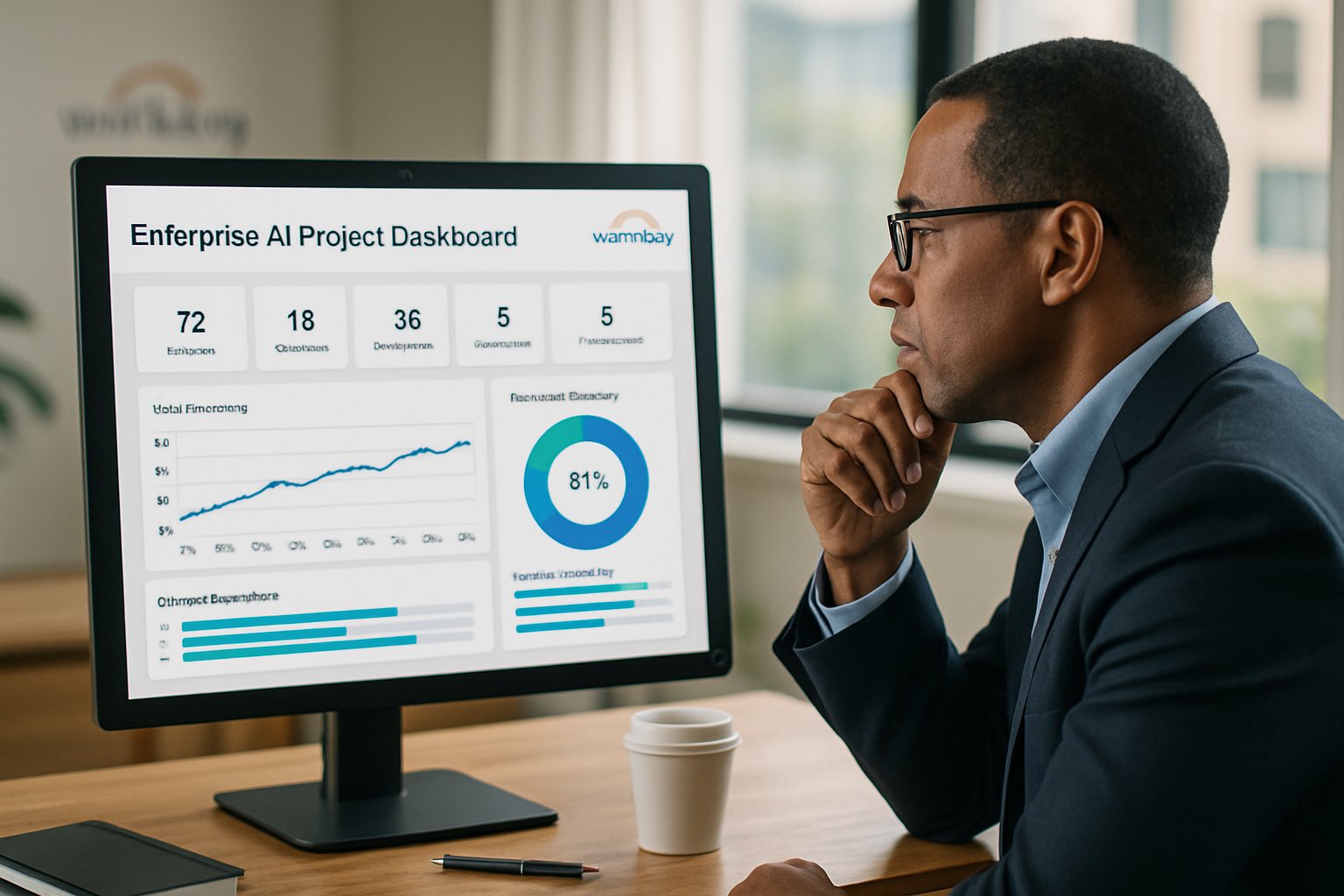
Workday published adoption data to prove progress. Monthly AI engagement reached 85%, up 45 points in twelve months. Meanwhile, 79% of employees now embed agents into daily workflows. Furthermore, leadership claims the pilot-to-production gap is shrinking fast. Independent validation remains pending; nevertheless, the trends appear promising.
- 85% monthly AI adoption company-wide
- 79% workforce integrates AI daily
- 11,000+ customers on Workday platform
- 65% Fortune 500 already subscribing
These statistics underscore Johnson’s insistence on Experimentation with measurable outcomes. In contrast, only 11% of global CIOs report enterprise-wide AI deployment, according to industry surveys. Therefore, Workday’s performance stands out. The numbers strengthen investor confidence in Workday AI Leadership. However, tools and data alone do not guarantee scale. Platform architecture also matters. That topic follows next.
Agentic Platform Strategy Explained
Workday’s Agent System of Record centralizes agent life-cycle controls. Consequently, IT teams gain unified visibility, permissions, and cost analytics. Access policies tighten automatically through role-based templates, reducing manual overhead. Moreover, Illuminate agents wrap domain context around large models, limiting hallucinations and boosting trust. Gerrit Kazmaier described agents as “digital colleagues needing supervision.”
The platform embeds responsible governance features. Audit logs, bias checks, and escalation paths appear out of the box. Therefore, regulators and customers see proactive diligence. Workday AI Leadership mentions governance repeatedly because compliance drives enterprise deals. Additionally, seamless integration with AWS, Google Cloud, and Accenture accelerates customer deployments.
Two primary benefits emerge. First, teams onboard agents within hours, not weeks, thanks to predefined access blueprints. Second, managers monitor performance in near real time. However, building such breadth organically would take years. Workday chose a faster route, explored below.
These architecture choices highlight technical depth. Consequently, acquisitions became the next lever to expand capability.
Sana Deal Accelerates Vision
In September 2025, Workday spent $1.1 billion acquiring Sana. The target offered AI knowledge graphs and learning agents. Moreover, Sana promised a “new front door for work,” aligning with Illuminate goals. Workday AI Leadership cited speed and domain depth as purchase drivers. Additionally, analyst Josh Bersin called the move “transformative” for employee growth.
Workday plans phased integration. Initially, Sana’s search boosts content discovery. Subsequently, learning agents personalize upskilling journeys. Therefore, employees find quick answers and curated courses inside the same interface. Access remains governed through existing ASOR controls, maintaining trust.
Sana also expands multi-modal capabilities, bringing video and voice summarization into HR workflows. Consequently, managers spend less time chasing policies. Workday AI Leadership expects rapid cross-sell among its 11,000 customers. However, competitive reactions are brewing, as the next section explains.
Integration progress will shape customer sentiment. Nevertheless, investor pressure already influences timelines.
Investor Pressures And Landscape
Elliott Management disclosed a $2 billion stake shortly after the Sana announcement. Consequently, the board authorized an expanded buyback. Activists praised current direction yet demanded sharper execution. Meanwhile, private equity snapped up Dayforce for $12.3 billion, signaling consolidation intensity.
Peers like SAP and Oracle double down on finance-adjacent AI suites. In contrast, Workday AI Leadership focuses on agentic governance and people adoption. Furthermore, consulting giants form specialized practices around ASOR rollouts, signaling ecosystem validation. Market watchers see a race to own the HR data layer. Access to clean data underpins model quality, reinforcing Workday’s advantage.
Nevertheless, faster monetization remains essential. Investors track subscription uplift from Illuminate bundles. Therefore, product teams face tight shipping windows. These competitive and financial dynamics increase execution risk, amplifying the importance of responsible controls, covered next.
Pressure for results reshapes roadmaps. However, unmanaged risk could derail progress.
Risks And Responsible Governance
AI hallucinations threaten payroll accuracy and employee trust. Therefore, governance sits at the strategy’s core. Workday embeds explainability dashboards and policy engines directly into ASOR. Additionally, human review checkpoints guard high-impact decisions. Nevertheless, no system eliminates risk entirely.
Legal experts warn about evolving regulations across privacy, labor, and bias. Moreover, multi-jurisdiction deployments complicate compliance. Workday AI Leadership responds with region-specific data residencies and granular access tokens. Customers can restrict model inputs to approved datasets, strengthening governance.
Despite safeguards, measuring ROI still proves challenging. Reuters analysts note unclear agent economics across the sector. Consequently, financial controllers demand transparent cost metrics. Workday now surfaces per-agent runtime charges within dashboards, bolstering trust.
- Strong governance boosts adoption velocity
- Clear cost visibility sustains executive support
- Continuous audits reinforce stakeholder trust
These mitigation steps address prominent concerns. However, sustained success depends on ongoing skills development and certification, discussed in the final section.
Next Steps And Actions
Practitioners seeking mastery can deepen expertise through the AI Cloud Leader™ certification. Moreover, Workday offers sandbox workshops that mirror internal Experimentation sprints. Consequently, professionals build hands-on insight into agent design, access control, and governance testing. Industry events now feature live demos of Illuminate agents inside payroll close workflows.
Organizations evaluating Workday AI Leadership should pilot targeted use cases, measure time savings, and expand iteratively. Furthermore, cross-functional steering committees sustain momentum while maintaining trust. Finally, tracking investor sentiment provides context for roadmap pacing.
Workday’s blended approach unites Experimentation, governance, and strategic M&A. Therefore, it provides a template for enterprises confronting AI scale challenges. Acting now positions teams ahead of fast-moving competitors. Explore certifications and begin structured pilots today.


