

AI CERTS
3 months ago
ByteDance AI Device Faces App Pushback Over Security
However, excitement collided with reality once critical apps began blocking automated actions. WeChat access errors, payment freezes, and frantic forum threads quickly overshadowed the initial buzz. Moreover, platform owners raised security, privacy, and liability questions about screen-level automation.
This article chronicles the complaints, industry responses, and the longer-term standards debate surrounding the ByteDance AI Device. Along the way, we examine how ZTE cooperation, rapid software patches, and cautious developers frame the next steps. Therefore, professionals gain insight into emerging risks before agentic assistants scale beyond prototypes.
Launch And Early Frenzy
Reuters tallied 159 million monthly Doubao users even before the handset appeared. Subsequently, ByteDance framed the launch as a technical preview rather than a foray into phone manufacturing. The ByteDance AI Device shipped through F-code channels, limiting production yet amplifying exclusivity. Meanwhile, ZTE supplied the nubia M153 chassis, reinforcing its OEM credentials without heavy marketing.
Early adopters praised snappy performance and seamless voice control across ordinary software. Nevertheless, signs of friction emerged within two days as resale prices spiked. That pattern signaled impending tension between curiosity and practicality. Early demand proves strong appetite for hands-free automation. However, upcoming sections reveal why enthusiasm soon met stubborn platform barriers.
App Barriers Surface Quickly
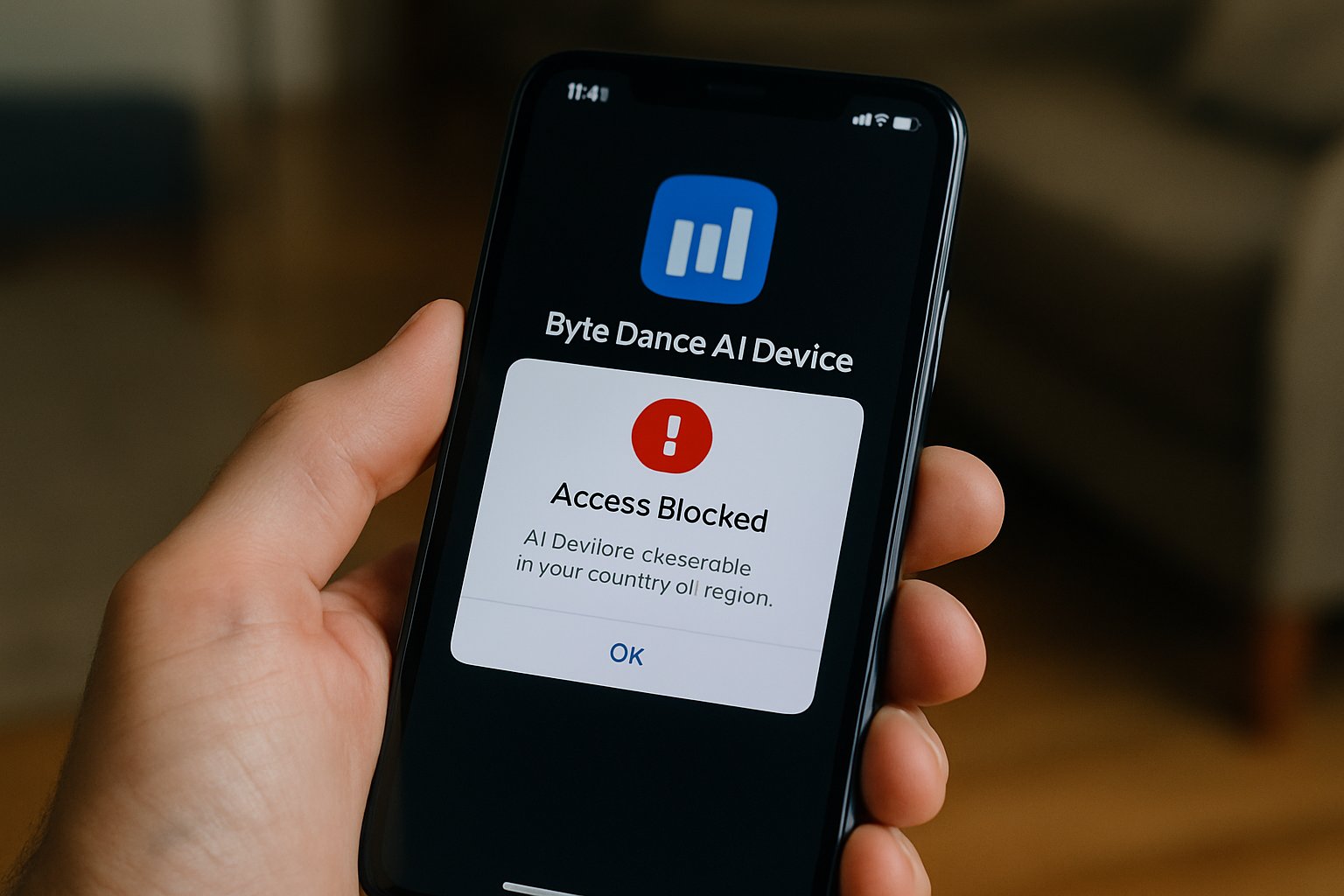
Users started sharing screenshots of WeChat access warnings labeling Doubao an abnormal login environment. Additionally, Tencent stated that standard risk algorithms, not manual blocks, triggered forced logouts. The assistant attempted screen-driven interactions, which resembled bots to existing security monitors. Consequently, bank and Alipay apps froze transactions, while Pinduoduo disabled coupon claims. The ByteDance AI Device now faced hostile territory inside essential Chinese software ecosystems.
Moreover, some developers feared liability if agent mistakes caused financial losses. Alibaba platforms echoed similar concerns, citing fair-play rules around reward distribution. These barriers highlight deep misalignment between agent autonomy and platform safeguards. Next, we inspect the security and liability debate shaping short-term fixes.
Security And Liability Debate
Security executives interviewed by Nikkei argued that Doubao held "excessively broad permissions" across apps. In contrast, ByteDance insisted that on-device processing minimized external data exposure. However, privacy advocates worried about the assistant's global memory quietly mapping user behavior. Banks stressed liability uncertainty if automated gestures misdirected transfers.
Therefore, regulators may eventually demand clearer audit trails and consent flows. The ByteDance AI Device sits at the center of this unresolved accountability triangle. Furthermore, independent researchers proposed standardized agent APIs to replace fragile screen scraping. Ongoing debate signals looming policy intervention. Subsequent sections discuss how ByteDance is containing damage while petitioning partners.
ByteDance Mitigation Action Steps
ByteDance issued nightly patches that throttled Doubao abilities inside financial software. Moreover, an update temporarily blocked WeChat access entirely to avoid cascading logouts. ZTE rolled firmware revisions to improve gesture timing and reduce false bot flags. Additionally, the company disabled reward-claim routines and game automation features.
Developers received invitations to test new permission APIs and offer feedback. Consequently, the ByteDance AI Device regained partial functionality while sidestepping the most sensitive flows. Professionals can enhance their expertise with the AI Writer™ certification. Mitigation reflects agile product governance under significant public scrutiny. However, broader industry consequences still demand attention, as the next section explores.
Broader Industry Implications Ahead
Platform resistance revealed structural tensions beyond one handset. Meanwhile, OEMs studying agentic assistants must anticipate similar pushback.
- Payment security rules penalize unverified automation, throttling WeChat access and comparable channels.
- High resale prices show market hunger, encouraging ZTE and rivals to iterate quickly.
- Developers crave stable APIs, yet fear unpredictable software changes damaging user trust.
- Regulators watch privacy controls, raising stakes for every ByteDance AI Device update.
Consequently, ecosystem fragmentation may worsen unless shared standards emerge. Some analysts predict cooperative frameworks resembling OAuth but tailored for agent permission granularity. The ByteDance AI Device therefore acts as a live testbed for those negotiations. Industry actors now weigh collaboration against competitive control. Next, we review potential regulatory paths and formal standards work.
Regulatory Outlook And Standards
Singapore Polytechnic researchers expect formal permission schemas within twelve months. Similarly, Chinese financial watchdogs may publish guidance on agent audit logging. Moreover, platform alliances could establish certification labels for compliant software agents. Developers would then integrate those labels to ensure consistent WeChat access and banking support.
ZTE representatives signaled readiness to embed such frameworks at firmware level. Consequently, the ByteDance AI Device might transition from prototype to blueprint for regulated autonomy. Nevertheless, failure to secure consensus risks protracted incompatibility and user frustration. Regulatory clarity remains the decisive catalyst for widespread adoption. Finally, we distill main insights and suggest practical next steps.
Key Takeaways
Lessons from the ByteDance AI Device extend far beyond one experimental handset. Firstly, app security rules will resist any agent lacking negotiated APIs. Secondly, ZTE collaboration proved hardware readiness, yet software diplomacy stays essential. Thirdly, developers need transparent guidelines before entrusting finances to autonomous taps. Consequently, the ByteDance AI Device symbolizes a crossroads where innovation meets platform governance.
Future releases of the ByteDance AI Device could thrive if standardized consent flows satisfy regulators. For readers crafting similar solutions, continuous education remains vital. Therefore, consider sharpening writing and analysis skills through the linked AI Writer™ certification. Adoption will favor teams who master policy, user trust, and resilient design.


