

AI CERTS
5 months ago
Viral AI Art: Inside the Ghibli Style Copyright Storm
However, the cheerful posts masked deep legal and ethical tensions. Moreover, artists warned of style theft while rights-holders prepared courtroom strategies. Consequently, the Ghibli trend now anchors wider debates about generative images and creator wages. This article traces the timeline, data, and policy fault lines behind the spectacle.
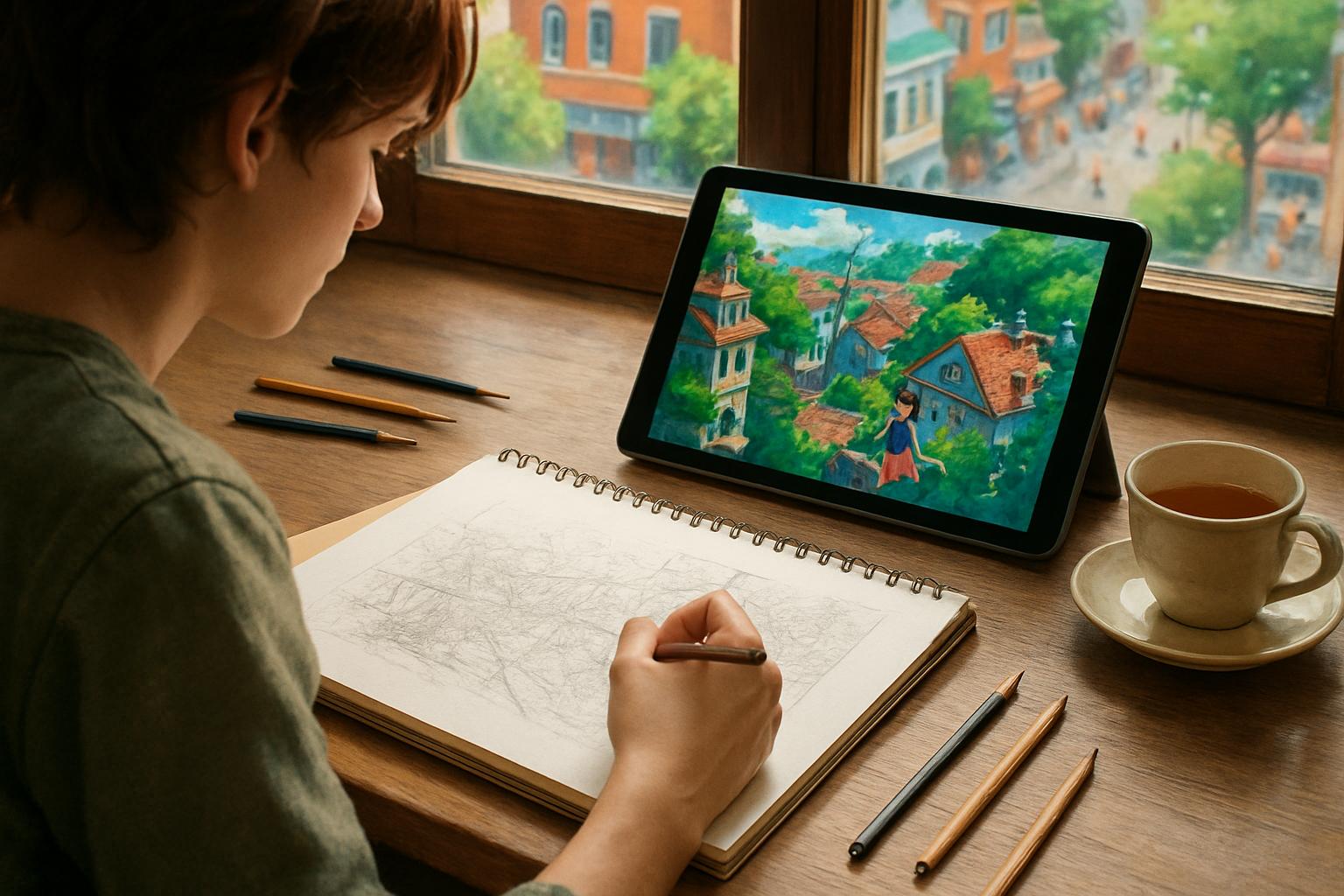
Additionally, it outlines mitigation steps and professional certifications to navigate the shifting landscape. Prepare for a concise, evidence-based tour through artistry, algorithms, and accountability.
Origins Of Ghibli Trend
OpenAI's system card revealed the model would reject prompts mimicking living artists. However, it allowed broader studio styles, including the cherished Ghibli aesthetic. That exception ignited creative experiments within minutes of release.
Sam Altman reported 'one million users in the last hour,' underlining unprecedented adoption speed. Furthermore, GPU limits forced temporary throttling as ChatGPT scaled capacity. Screenshots of soaring social engagement circulated on X, Reddit, and Discord.
Early enthusiasm cemented the label Viral AI Art for the movement. Nevertheless, rapid growth set the stage for mounting scrutiny discussed next.
Platform Usage Surge Metrics
Quantifying the craze reveals a staggering curve. Moreover, OpenAI's safety metrics showed Not_unsafe scores above 0.95 across test sets. These numbers indicated limited refusal while balancing policy constraints.
Meanwhile, several public indicators illustrate the platform spike:
- Altman cited one million new ChatGPT image users within sixty minutes.
- Midjourney logged roughly 21 million accounts, producing comparable stylized images revenue near $300M.
- Press analysis measured 500,000 social mentions of Ghibli art in two days.
- System card testing recorded Not_overrefuse scores up to 0.99 after mitigation tweaks.
Consequently, Viral AI Art proved more than a meme; it became a capacity benchmark. Up next, we explore how legal tensions amplified that pressure.
Copyright Battles Intensify Now
Legal salvos followed the aesthetic wave quickly. In June 2025 Disney and Universal sued Midjourney over alleged character replication. Similarly, Warner Bros Discovery filed its complaint in September.
In contrast, artists Sarah Andersen, Kelly McKernan, and Karla Ortiz expanded their class action. They argued that training sets ingested copyrighted panels, effectively cloning styles without consent. Moreover, plaintiffs said the Viral AI Art trend commercialised their labour while erasing attribution.
Court exhibits showcased near-identical images produced by text prompts. CODA's October letter then targeted OpenAI's Sora 2 video model, citing Japan's permission standard. Consequently, the list of defendants and jurisdictions keeps growing.
These intertwined lawsuits now define the compliance horizon for Viral AI Art creators. However, ethical stakes hit artists first, which the next section unpacks.
Ethics And Artist Impact
Beyond courtrooms, personal livelihoods face direct pressure. Freelancers report clients requesting instant Ghibli style drafts for minimal fees. Consequently, human sketches compete against algorithmic images finished in seconds.
Miyazaki Public Ethics Rebuke
Hayao Miyazaki's 2016 comment resurfaced as a moral compass. He called early machine animation 'an insult to life itself,' underscoring cultural unease. Additionally, artist Karla Ortiz labelled the Viral AI Art phenomenon exploitative of legacy brands.
Social networks amplified both admiration and pushback, fanning polarized commentary. Meanwhile, some creators embraced the tools for rapid ideation and color exploration.
Debate around dignity, credit, and compensation frames Viral AI Art as a turning point. Therefore, policy differences now command center stage, as the following section reveals.
Global Policy Divergence Grows
Regulators disagree on how to license training data. Japan's copyright law typically requires prior permission, not mere opt-out notices. CODA's letter to OpenAI exemplified that stance by demanding dataset disclosure and removal.
In contrast, United States guidance still leans on fair-use arguments and transparency commitments. Furthermore, OpenAI asserts ChatGPT complies through refusal policies and artist-style filters. European lawmakers meanwhile draft AI Act language that could mandate full licensing or hefty fines.
These fragmented rules complicate cross-border deployment of Viral AI Art platforms. Subsequently, developers must juggle regional obligations while planning future features.
Mitigations And Future Tools
Technology companies are rolling out additional safeguards. Moreover, OpenAI has expanded watermarking, hashed prompt logs, and tougher style checks inside ChatGPT. Midjourney added opt-out flags, while Stability AI signed pilot licensing deals with stock libraries.
Professionals can enhance their expertise with the AI+ UX Designer™ certification. Consequently, designers learn to audit datasets, craft transparent prompts, and negotiate licensing terms.
Analysts advise three practical steps:
- Limit style prompts to non-specific descriptors.
- Request lawful image sources or licences from vendors.
- Log prompt context for downstream audits.
Adopting these habits tempers Viral AI Art risks while preserving creative agility. However, lasting clarity depends on forthcoming litigation outcomes, which our final section summarizes.
The Ghibli moment revealed generative power and peril in equal measure. Moreover, usage metrics confirm mass appetite for rapid visual storytelling. Simultaneously, lawsuits, trade letters, and cultural critiques demand firmer guardrails.
Consequently, technologists, policymakers, and artists must collaborate rather than litigate endlessly. Viral AI Art will survive only if creators receive recognition and consumers gain transparent tools. Therefore, now is the moment to upskill, secure ethical workflows, and monitor global regulation.
Explore certification paths and stay engaged to shape the next chapter of creative innovation.
Disclaimer: Some content may be AI-generated or assisted and is provided ‘as is’ for informational purposes only, without warranties of accuracy or completeness, and does not imply endorsement or affiliation.


