

AI CERTS
4 months ago
Nano Banana 3D: From Viral Figurines to Enterprise AI Power
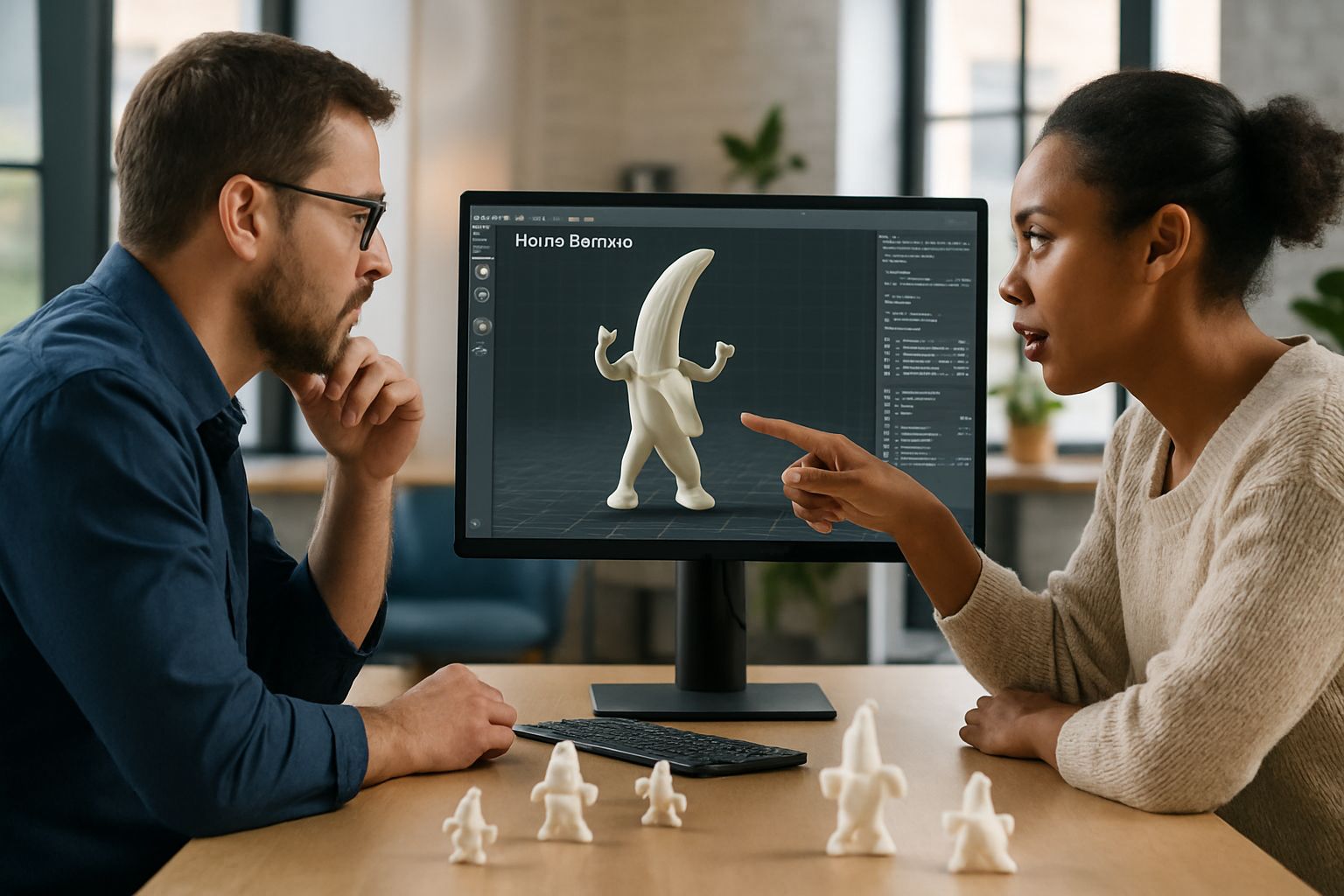
These prompt-driven results often appear as detailed 3D figurines posed like desk collectibles. Therefore, the phenomenon marries low friction with high shareability, a potent growth cocktail. Industry leaders now watch adoption metrics, watermarking safeguards, and looming enterprise opportunities. This article unpacks the technology, creative workflows, risks, and roadmap behind Nano Banana 3D. Moreover, readers will learn how to harness the trend for Personalized marketing, imaginative gifts, and scalable production.
Viral Launch Impact Data
Google announced Nano Banana 3D on 26 August 2025 during a Gemini blog update. Subsequently, usage rocketed beyond internal forecasts, according to VP Josh Woodward’s public posts. However, reporters caution that these metrics remain company-reported, not independently audited.
- 10M+ new Gemini users within the first week.
- 200M+ images edited during the same launch window.
- Top score on the LMArena likeness benchmark.
- App Store charts showed Gemini rising to number one in 23 regions.
As a result, the spike validated market appetite for lightning-fast image edits. Nevertheless, deeper technical insight clarifies why the system scales so well. Let us examine the architecture powering that performance.
Technology Under The Hood
Gemini 2.5 Flash Image, marketed as Nano Banana 3D, runs on optimized TPUs with lower latency. Therefore, creators receive near-instant previews at consumer scale. The model fuses text-to-image, in-paint, and multi-image conditioning within one chat loop. Consequently, iterative edits maintain subject likeness even after dozens of changes. Google embeds SynthID directly into output pixels, enabling downstream verification by platform scanners. In contrast, visible watermarks remain optional for Pro tiers, according to documentation.
Collectively, these design choices deliver speed, stability, and enforceable provenance. Next, we explore how users turn technical muscle into tangible creativity.
Crafting Creative Figurine Prompts
Social feeds overflow with miniature figurines created by Nano Banana 3D artists. Moreover, prompt writers discovered repeatable syntax that guides the model toward toy-box aesthetics.
Consider the common prompt formula:
- Render my selfie as a 1/7 scale vinyl figure.
- Position on a clear pedestal with frontal studio lighting.
- Add branded window packaging on a wooden desk.
Additionally, users tweak wardrobe, poses, and accessories for Personalized branding. This flexibility fuels endless creativity and meme longevity. Stylized outputs become eye-catching digital gifts and marketing teasers. However, adoption extends beyond playful posts into professional pipelines.
Platform Integrations Growing Fast
Adobe quickly shipped a Photoshop beta featuring Nano Banana 3D within Generative Fill options. Additionally, developers call the same model through the Gemini API or Vertex AI service. Consequently, e-commerce platforms embed Personalized product shot generation directly into order flows. An official @NanoBanana account on X shares template prompts and showcases limited-time creativity challenges.
These integrations broaden reach and embed the tool where professionals already work. Nevertheless, provenance concerns grow alongside distribution.
Provenance And Risk Management
Experts applaud SynthID yet warn invisible marks mean little without accessible detectors. In contrast, Hany Farid states the scheme is resilient but still undervalued by consumers. Ben Colman argues that determined actors may strip or spoof marks, complicating takedowns. Therefore, platforms must pair watermark checks with policy enforcement and user education.
- Deepfakes exploiting stable likeness for political manipulation.
- Copyright disputes over unlicensed celebrity images used in campaigns.
- Phishing sites mimicking official generators to harvest selfies.
Robust policy, tooling, and literacy remain essential companions to Nano Banana 3D deployment. Next, enterprises weigh benefits against such risks.
Enterprise And Future Roadmap
Large teams employ Vertex AI to batch product renders, training marketing models overnight. Meanwhile, Google teased a Nano Banana 3D Pro tier promising higher fidelity and adjustable watermarks. Additionally, licensing talks hint at headset and AR integrations for Nano Banana 3D assets. Professionals can enhance expertise with the AI Educator™ certification to guide responsible deployments.
In summary, enterprise adoption rests on cost, control, and regulatory clarity. Consequently, stakeholders seek balanced innovation and governance.
Key Takeaways
Nano Banana 3D has transformed quick image editing from novelty to strategic tool. Moreover, enterprise pipelines, Photoshop plugins, and playful figurines all ride the same latency breakthrough. User momentum proves demand for Personalized content that balances speed, creativity, and brand control. Nevertheless, watermarking gaps and deepfake threats keep risk departments engaged. Consequently, leaders should pair SynthID checks with strong disclosure policies before shipping customer gifts. Professionals seeking structured guidance can pursue the linked certification and elevate governance conversations. Act now, experiment responsibly, and keep your competitive edge while standards evolve.


