

AI CERTS
4 hours ago
Amazon Ring Update Redefines Home Security
Smart Doorbell Market Trends
Analysts value the smart-doorbell sector in the low billions for 2025. Moreover, high double-digit CAGR figures underline rapid adoption. Amazon remains a dominant vendor, while competitors like Google Nest, Arlo, and Eufy accelerate feature releases.
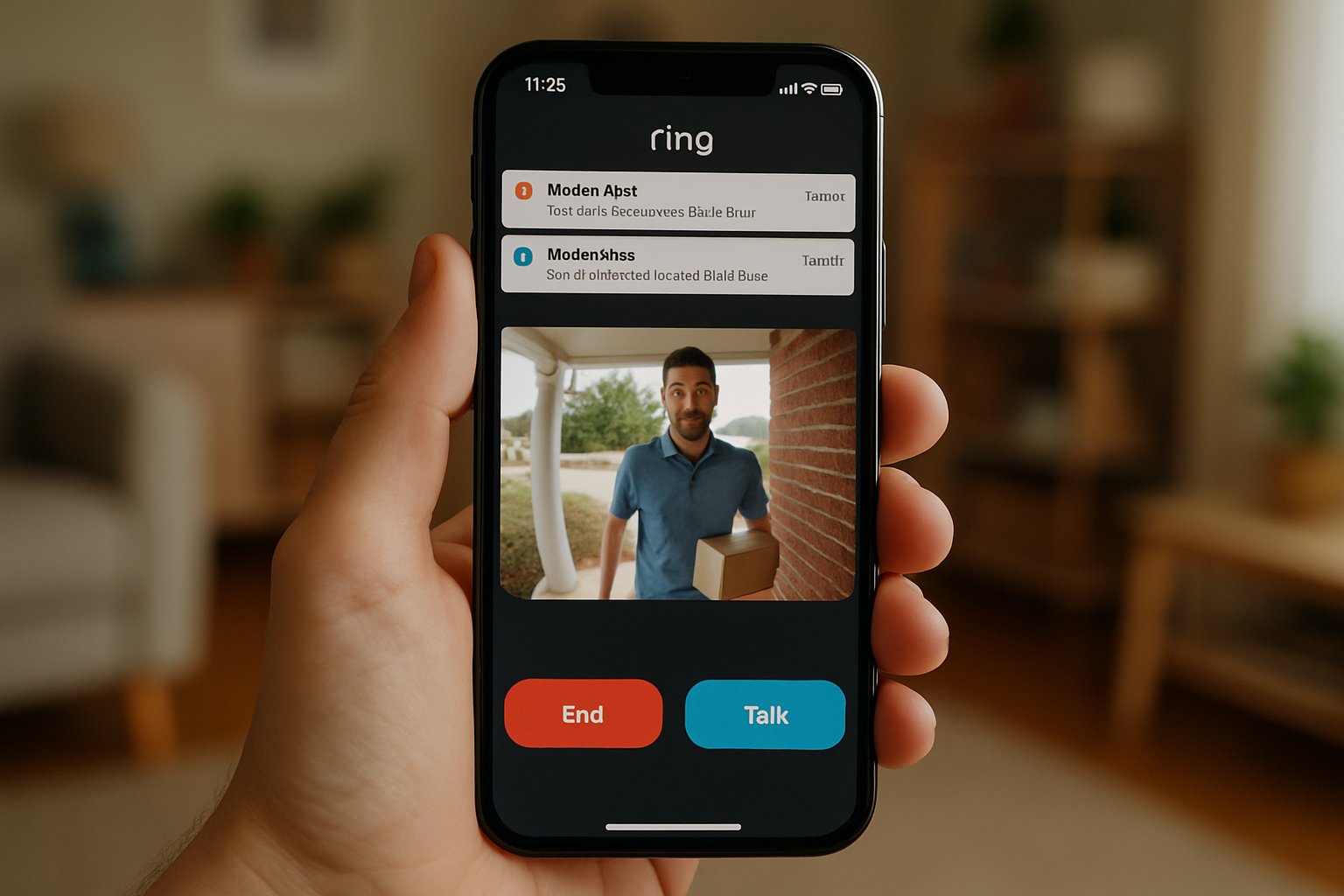
Market researchers cite three accelerating forces:
- Demand for integrated video, audio, and AI analytics
- Subscription models that bundle cloud storage and automation
- Growing consumer expectation of quick visitor verification
These dynamics intensify product differentiation. However, privacy regulation now shapes design roadmaps.
The market momentum illustrates strong appetite. However, legal headwinds may dampen expansion.
Therefore, understanding momentum helps frame innovation risks ahead.
How Familiar Faces Works
Familiar Faces is an optional cloud service that creates a private library of up to 50 profiles. Additionally, recognition happens off-device, allowing servers to label visitors like “Chris at Front Door.” Ring cameras can detect five people at once and work best within 3–4 meters.
Setup remains owner-controlled: the toggle is off by default. In contrast, end-to-end encryption users cannot enable the feature because cloud analysis is mandatory.
Key benefits flow to busy households:
- Fewer generic alerts boost attention spans
- Named event filtering speeds evidence reviews
- Combined with Alexa+ Greetings, deliveries face fewer missed contacts
These functional gains delight enthusiasts. Nevertheless, they come with unavoidable trade-offs.
Consequently, operators must weigh convenience against regulatory exposure.
The Technical Limits Explained
Ring restricts Familiar Faces to its latest 2K and 4K hardware tiers. Furthermore, a Protect or Home Premium subscription is required. Cloud servers retain unnamed biometric data only for the user’s video retention window, typically 30–180 days. Moreover, profiles vanish 30 days after a subscription lapses.
Ring states that stored vectors never train corporate models. Nevertheless, external audits are absent. Sen. Ed Markey and advocacy groups demand independent validation of demographic accuracy. Meanwhile, Ring confirms the system is disabled in Illinois, Texas, Portland, and Quebec because of strict statutes.
The limits clarify performance boundaries. Yet uncertainty over accuracy metrics persists.
Therefore, full transparency remains a pending obligation for Amazon.
Privacy And Legal Concerns
Facial data collection triggers global scrutiny. EFF warns that scanning every passer-by may breach consent rules. Additionally, some laws grant statutory damages per violation, elevating litigation threat.
Ring counters that owners must secure necessary permission. Nevertheless, critics recall historic Ring incidents involving employee access and law-enforcement partnerships. Consequently, skepticism persists despite new encryption and isolation claims.
Regulatory oversight continues evolving: Europe debates updated AI Acts, while several U.S. states draft biometric bills. Moreover, municipal bans could proliferate, restricting market coverage further.
These legal frictions emphasize compliance urgency. However, proactive audits could rebuild trust.
Therefore, corporate engagement with regulators must intensify before wider rollout.
Competitive Market Players Map
Google Nest pioneered familiar face alerts years earlier. In contrast, Amazon delayed a similar step until its 4K launch. Arlo and Vivint explore on-device AI to sidestep cloud concerns. Furthermore, smaller brands highlight local processing to court privacy-minded buyers.
Differentiators now include:
- Edge versus cloud inference architectures
- Granularity of user profile controls
- Published third-party fairness audits
Vendors betting on cloud scale gain frequent model updates. Nevertheless, they accept heightened data-governance duties.
Competitive analysis shows innovation paths diverge. However, consumer education will decide traction.
Consequently, product teams must align features with evolving trust expectations.
Future Adoption Unknowns Addressed
Several gaps complicate forecasting. Firstly, Amazon has not disclosed opt-in rates or active profile counts. Secondly, independent labs lack demographic error data. Additionally, delivery fleets have no unified stance on employee scanning rights.
Industry observers suggest three priorities for clarity:
- Publish third-party audit results annually
- Detail retention timelines by subscription tier
- Negotiate workforce opt-out workflows
Professionals can deepen policy expertise through the AI+ Human Resources™ certification, gaining tools to manage AI governance in field deployments.
Unresolved issues obscure risk assessments. Nevertheless, structured transparency could unlock broader acceptance.
Therefore, future disclosures will shape both investor confidence and user trust.
Conclusion
Amazon’s facial upgrade signals a pivotal chapter for Home Security technology. Moreover, the cloud approach delivers convenience yet amplifies privacy stakes. Regulators, vendors, and professionals must collaborate to balance innovation with protection. Consequently, readers should follow upcoming audits and consider specialized training to navigate emerging compliance duties. Explore the linked certification and stay prepared for the next wave of intelligent perimeter tools.


