

AI CERTS
4 hours ago
Rising Code Churn Challenges DevOps Teams
Fresh studies reveal conflicting signals. GitClear projects short-term churn could double versus pre-AI baselines. Meanwhile, GitHub’s controlled trial touts faster delivery and higher unit-test pass rates. Moreover, Uplevel and Apiiro expose significant bug and vulnerability spikes within enterprise pull requests.
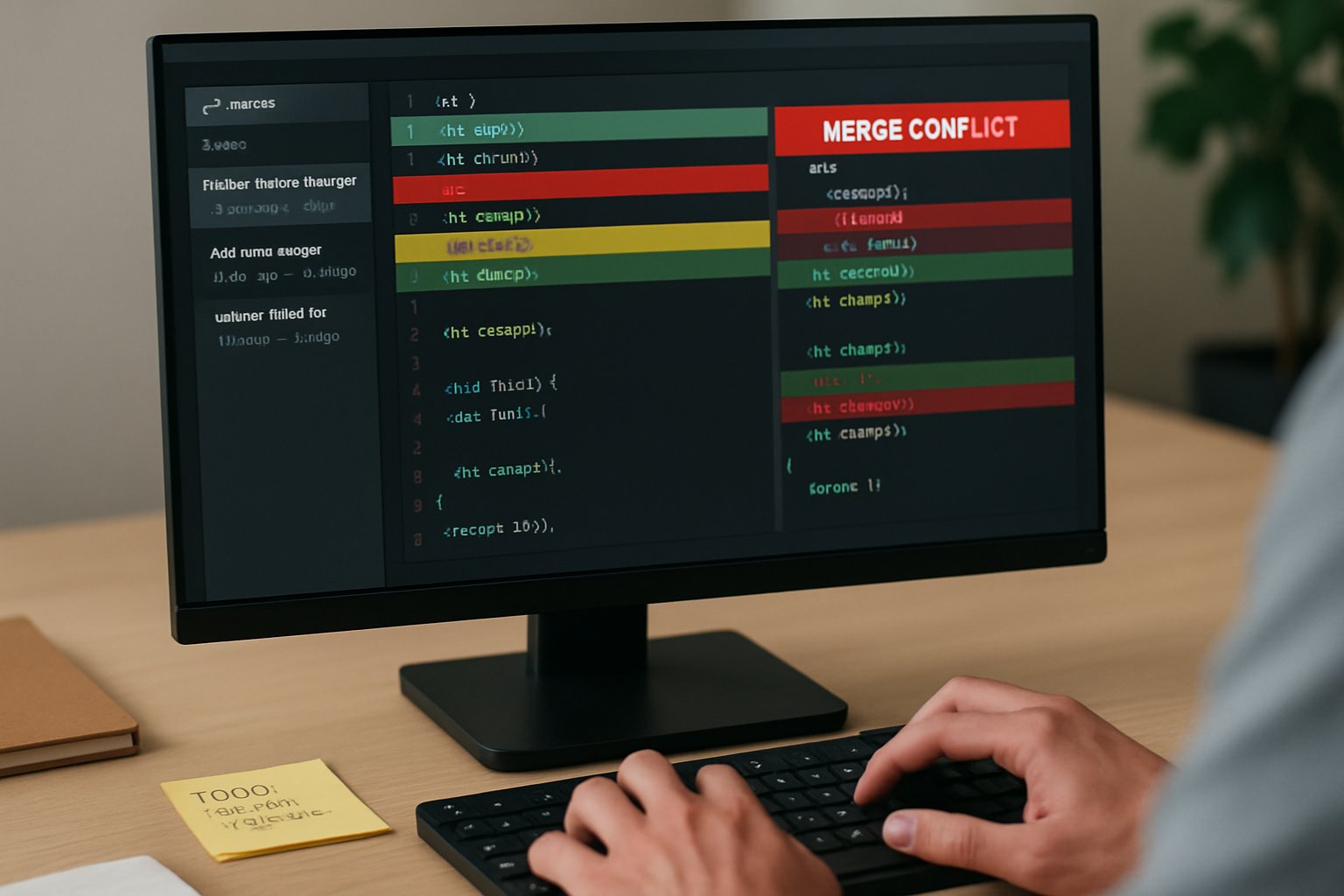
This article distills the numbers, debates, and practical safeguards. Readers will understand causes, impacts, and mitigations across development pipelines. Additionally, certification pathways appear for technical leaders seeking future-proof skills. Let us examine the data with care.
Why Churn Is Rising
GitClear analyzed 153 million changed lines spanning 2020–2023. Their Q1 2024 whitepaper shows added and copy-pasted code multiplying. Consequently, refactoring and file moves declined, violating DRY principles.
AI assistants accelerate initial drafting. However, they often propose boilerplate or redundant blocks. Developers accept suggestions quickly, yet revisit them within days. Therefore, churn surfaces as swift revisions and reversions. Modern DevOps pipelines magnify the effect.
Rising code churn also reflects larger pull requests. Apiiro notes AI users commit more, but merge fewer PRs. Larger batches delay review, inviting late-stage rework.
These patterns reveal root mechanical causes. Nevertheless, organizational factors deepen the trend. Next, we evaluate the concrete impact numbers.
Rising Code Churn Impact
Rising code churn metrics differ across studies, yet the direction aligns. GitClear forecasts a near-doubling of churn compared with 2021. Meanwhile, Uplevel saw a 41% bug surge in AI-enabled teams despite flat cycle times.
GitHub offers a counterpoint. Their randomized trial shows Copilot developers were 55% faster and more likely to pass quality tests. Moreover, readability scores improved slightly.
The discrepancy stems from metric focus. GitHub measures isolated tasks, while GitClear examines live production repos. Consequently, teams must triangulate both viewpoints when budgeting AI investments. DevOps leaders face stark trade-offs between throughput and stability.
- GitClear: churn projected to double versus 2021 baseline.
- Uplevel: 41% bug rate increase in AI pull requests.
- Apiiro: 10× more security findings by June 2025.
- Veracode: 45% of LLM outputs carried OWASP vulnerabilities.
Cost accounting adds another layer. Incident response analysts at Fortune-50 firms estimate each high-severity churn incident burns twelve engineer hours.
Unchecked churn destabilizes development roadmaps and incident budgets. Data confirms material operational risk when velocity lacks guardrails. However, productivity upside remains attractive. We must therefore weigh rework against saved effort.
Productivity Versus Rework Gap
Developers love instant completions. Additionally, assistants slash mundane typing, raising perceived speed.
Yet rising code churn erodes those savings. Each reverted line cancels earlier acceleration. In contrast, smaller human-written commits historically required fewer fixes.
Apiiro reports syntax errors fell 76%, but architectural flaws jumped 153%. Consequently, review cycles lengthen despite the initial burst of speed. Reviewers spend additional minutes decoding unfamiliar autogenerated identifiers.
Academic evidence mirrors industry numbers. Students finished tasks 35% faster with Copilot yet absorbed less knowledge about the codebase. Therefore, supervisors later faced greater mentoring overhead.
Short-term velocity masks hidden toil. Nevertheless, leaders can contain the rework gap. Security risks illustrate the stakes further.
Security Findings Explosion Trend
Veracode’s 2025 study alarmed CISOs. Nearly 45% of generated snippets violated OWASP standards. Java projects suffered a 72% failure rate.
Apiiro detected over 10,000 AI-induced vulnerabilities monthly by mid-2025. Moreover, privilege escalation paths ballooned 322% within six months. These high-risk issues demand specialized review beyond simple linters. Penetration testers confirmed several generated APIs leaked verbose error traces.
Veracode’s Jens Wessling labels the phenomenon “vibe coding.” Developers trust AI suggestions without explicit security prompts. Consequently, bugs propagate until production.
Security statistics overshadow rising code churn metrics. However, methodological nuances still matter. Let us inspect those limitations next.
Measurement Caveats Discussed Widely
Studies vary in scope, window, and attribution. GitClear tracks churn within two weeks, whereas Apiiro tallies monthly security findings.
Additionally, several reports measure Copilot access, not actual usage depth. Therefore, causal links can blur.
Repositories also differ. Open-source samples mix greenfield and hobby code, while enterprise monorepos hold legacy patterns. Consequently, cross-study comparisons require cautious normalization.
For analysts, rising code churn complicates longitudinal baselines. Variance also arises from language ecosystems and branch policies. Sampling bias persists across retrospective code scans.
Understanding these caveats prevents overgeneralization. Nevertheless, actionable mitigation exists. Teams can adopt targeted tactics immediately.
Mitigation Tactics For Teams
Progressive engineering groups integrate rising code churn metrics alongside throughput dashboards. Furthermore, they monitor defect density per pull request.
Automated SAST and SCA scanning runs in CI pipelines. Apiiro recommends repository-level context analysis to catch architectural flaws. Moreover, Veracode highlights prompt engineering with explicit security constraints.
Policy also matters. Developers must tag large AI-generated diffs for senior review. In contrast, small isolated fixes follow standard paths.
- Track churn, bug, and security metrics per PR.
- Mandate contextual SAST with every merge.
- Rotate reviewers to avoid fatigue on huge diffs.
- Provide AI prompt training for junior staff.
- Enforce quality gates before merge.
Integrating AI guardrails into DevOps chatops channels keeps enforcement transparent.
Professionals can enhance their expertise with the AI Cloud Practitioner™ certification. The program covers secure AI pipelines and DevOps integration.
These tactics convert raw speed into resilient delivery. Therefore, strategic planning becomes essential. We conclude with forward actions.
Strategic Actions Moving Forward
Boards should link incentives to both velocity and quality outcomes. Additionally, quarterly audits must review churn, defects, quality metrics, and security findings.
Engineering leaders can stage limited pilots before wide rollout. Meanwhile, metrics dashboards provide rapid feedback loops. Dashboards should trigger alerts when churn surpasses five-day moving averages.
Vendors experiment with embedded guardrails that block insecure generations in real time. Consequently, assistant usage should gradually mature from vibe coding to governed workflows. Vendors presently pilot automatic SBOM tagging for each generated snippet.
Rising code churn will persist as assistants evolve. Nevertheless, disciplined observability and AppSec integration can transform its energy into sustainable innovation.
Organizations that balance speed with safeguards gain competitive advantage. However, complacency invites expensive rework.
AI assistants are reshaping repositories at unprecedented pace. Rising code churn, security findings, and enlarged pull requests show the double-edged nature of the change. Teams cannot ignore the empirical evidence any longer. The tension between throughput and stability has never been clearer.
Nevertheless, data-driven metrics, contextual AppSec, and stronger review policies can harness the surge. Moreover, continuous developer education ensures prompts reflect explicit quality and DevOps goals. Clear metrics foster executive trust during quarterly business reviews.
Take proactive action today. Evaluate your pipelines, adopt the suggested guardrails, and pursue the AI Cloud Practitioner™ credential to lead responsible, high-speed engineering tomorrow. Strong governance today prevents emergency rewrites tomorrow.


