

AI CERTS
5 months ago
Breast Imaging AI powers Novarad MammoIQ launch
The company claims its framework embeds Breast Imaging AI to accelerate reads while meeting stringent U.S. regulations. Meanwhile, clinicians face mounting pressures from larger datasets, denser tomosynthesis stacks, and tightening reimbursement. This article examines how MammoIQ positions itself, the market forces driving adoption, and the potential hurdles ahead.
Market Growth Drivers
Global demand for advanced breast imaging is expanding rapidly. Grand View Research values the 2025 market at USD 5.88 billion, projecting almost USD 12 billion by 2033. Moreover, annual U.S. screening now tops 39 million exams, intensifying Mammography Quality Standards Act (MQSA) workloads. Digital breast tomosynthesis volumes are also climbing, with forecasts hitting USD 8.39 billion by 2032. These dynamics amplify interest in tools that combine Breast Imaging AI with efficient workflow orchestration.
Several structural forces sustain momentum:
- Broader payer coverage for 3D mammography encourages center upgrades.
- Radiology staffing shortages heighten the need for decision support.
- Regulators continue clearing new AI devices at a brisk pace.
These trends outline a fertile landscape. Therefore, vendors integrating imaging, data, and compliance stand poised for growth. However, consolidation alone will not guarantee success.
Clinical demand is clear. Nevertheless, execution quality will decide winners in this expanding arena.
Platform Feature Highlights
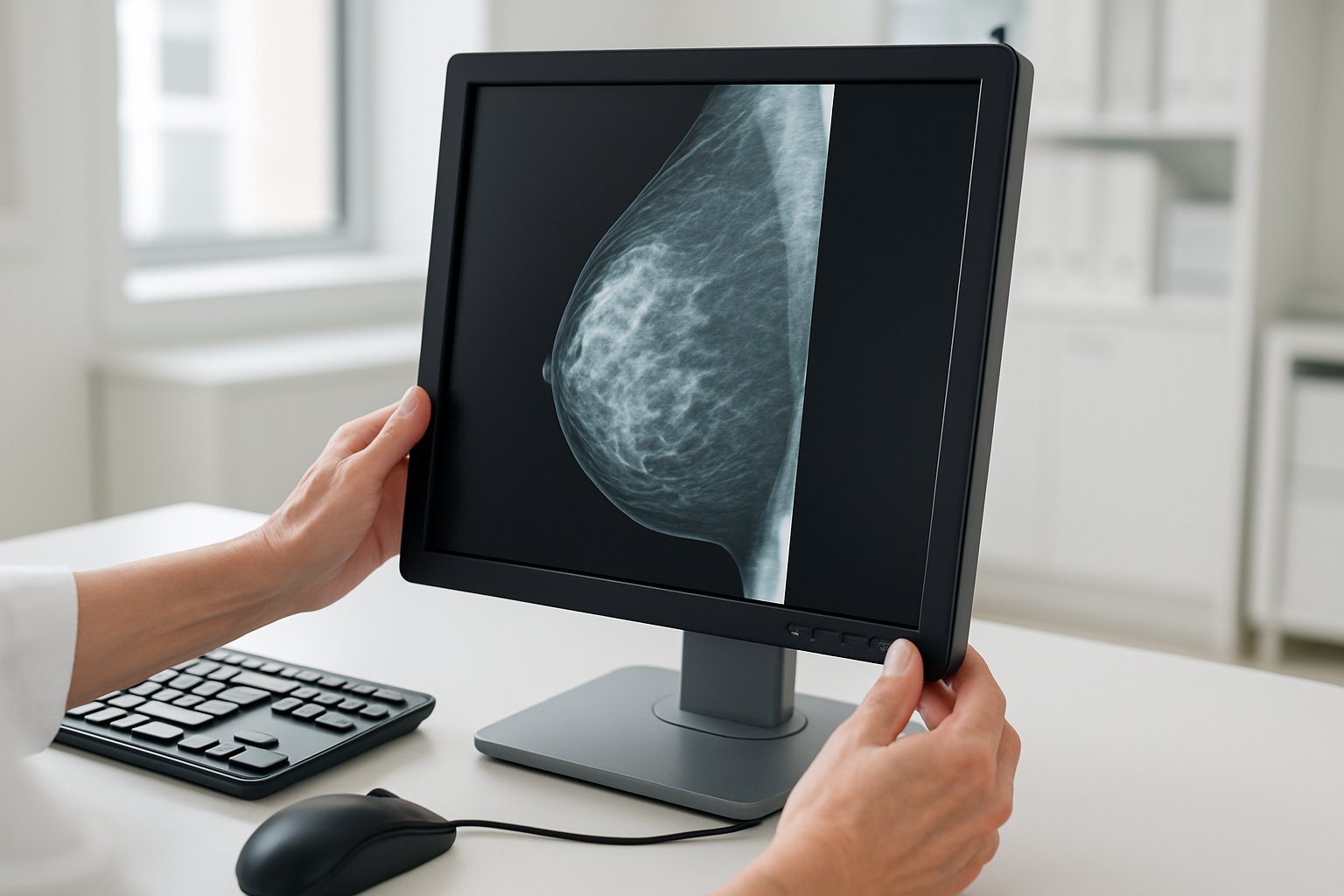
MammoIQ bundles multiple capabilities under one interface. Radiologists can toggle between 2D mammography and 3D tomosynthesis slices while simultaneously displaying ultrasound, MRI, or PET data. Furthermore, contralateral magnification sync and longitudinal region tracking help monitor subtle interval changes. Novarad promises ultra-fast preprocessing with local caching that minimizes wait times.
Embedded algorithms provide Breast Imaging AI support for quality assurance and cancer screening triage. The vendor’s historic partnerships with CureMetrix and Ikonopedia suggest FDA-cleared modules may underpin early releases. Additionally, volumetric density estimation and automated BI-RADS abstraction arrive pre-configured. David Grandpre, Vice President of Product at Novarad, said, “This framework addresses critical regulatory requirements while providing an end-to-end, integrated platform for mammography.”
Feature depth is impressive. Consequently, users may reduce context switching between separate viewers and reporting tools. The real-world payoff, however, hinges on smooth integration inside existing enterprise stacks.
Rich functionality drives interest. Yet integration efficiency will dictate sustained satisfaction moving forward.
Compliance Workflow Gains
MQSA inspections generate heavy documentation burdens for imaging centers. MammoIQ automates audit preparation by tracking exams, outcomes, and physicist quality checks. Moreover, the platform crafts patient letters and structured reports, then logs each communication for inspectors. Built-in dashboards surface key metrics before deadlines arrive.
Breast Imaging AI also flags studies needing repeat imaging or technologist retraining, shortening feedback cycles. Facilities can therefore address deviations before surveyors visit. Meanwhile, structured data capture simplifies submission to cancer registries and value-based care programs.
Time and staffing constraints remain severe. Consequently, any reduction in repetitive tasks can boost morale alongside margins.
Automation eases regulatory pain. However, proof of sustained accuracy will remain under scrutiny from auditors.
Competitive Ecosystem Snapshot
Novarad competes against device titans such as Hologic, Siemens Healthineers, and GE HealthCare, each promoting proprietary workstations and AI modules. In contrast, pure-play firms like iCAD and ScreenPoint focus solely on Breast Imaging AI algorithms. Novarad differentiates by wrapping third-party AI and multi-modality viewers inside a single framework.
The vendor also courts Oncology service lines by supporting breast MRI and PET views within the same workspace. Radiology groups can therefore collaborate with surgeons and medical oncologists without exporting images elsewhere. Nevertheless, entrenched PACS contracts and migration costs give incumbents defensive leverage.
Industry momentum favors integrated ecosystems. Yet buyer caution persists around high-stakes data migrations.
Competition fuels rapid innovation. Therefore, continuous upgrades and open integrations will be essential for MammoIQ longevity.
Adoption Hurdles Ahead
Regulatory clarity represents a primary hurdle. If embedded Breast Imaging AI influences diagnostic decisions, each algorithm requires FDA oversight and ongoing change management. Furthermore, independent peer-reviewed validation remains scarce for MammoIQ today. Health systems may request multicenter evidence before large-scale deployments.
Data interoperability challenges also loom. Radiology archives often span decades and multiple vendors, complicating clean migrations. Additionally, bias risks persist when AI models encounter populations underrepresented during training. Novarad must therefore document diverse datasets and external validations.
Prospective buyers value innovation. Nevertheless, strong governance and transparent evidence will shape purchasing committees.
Barriers deserve attention. Consequently, vendors that address them proactively can accelerate commercial traction.
AI Certification Path
Professionals evaluating MammoIQ may also pursue specialized credentials. Clinicians and informatics leads can sharpen strategy skills through the AI Healthcare Specialist™ certification. The program explores regulatory, ethical, and technical facets of Breast Imaging AI deployment, complementing platform training.
Upskilling supports informed decision making. Moreover, certified leaders often champion smoother change management across departments.
Education underpins sustainable innovation. Therefore, continuous learning should accompany every technology rollout.
Strategic Takeaways
Novarad’s MammoIQ seeks to unify image interpretation, AI assistance, and MQSA automation. Market tailwinds, rising tomosynthesis adoption, and staffing constraints favor such consolidation. Competitive pressure, however, will intensify as giants and startups alike refine their offers.
Healthcare organizations should gauge integration effort, regulatory status, and validation evidence before committing. Meanwhile, pursuing relevant certifications can strengthen governance frameworks and boost staff confidence.
Unified platforms promise efficiency. Yet rigorous due diligence remains essential for long-term success.
Breast imaging continues evolving quickly. Consequently, decisions made today will shape diagnostic quality and operational resilience for years.
Disclaimer: Some content may be AI-generated or assisted and is provided ‘as is’ for informational purposes only, without warranties of accuracy or completeness, and does not imply endorsement or affiliation.


