

AI CERTS
3 months ago
Waymo Gemini Assistant Enters Robotaxi Trials
Nevertheless, deployment details remain scarce. However, the extensive prompt recovered by researcher Jane Manchun Wong offers rare technical clarity and stokes privacy debate.
Inside Current Assistant Testing
Wong’s December 23 disclosure included a 1,200-line “Ride Assistant Meta-Prompt.” Therefore, observers gained an unprecedented look at Waymo’s internal experimentation. The prompt references “gemini-2.5-flash-native-audio-preview” and a friendly persona named “Gemini.” Additionally, Waymo confirmed to TechCrunch on December 24 that engineers are “tinkering” with in-ride features. In contrast, the company stopped short of announcing a launch timeline. Still, the leak shows deliberate scope limits. For instance, the assistant may adjust temperature yet refuses route changes. Consequently, stakeholders infer a cautious rollout that separates comfort tasks from safety-critical driving.
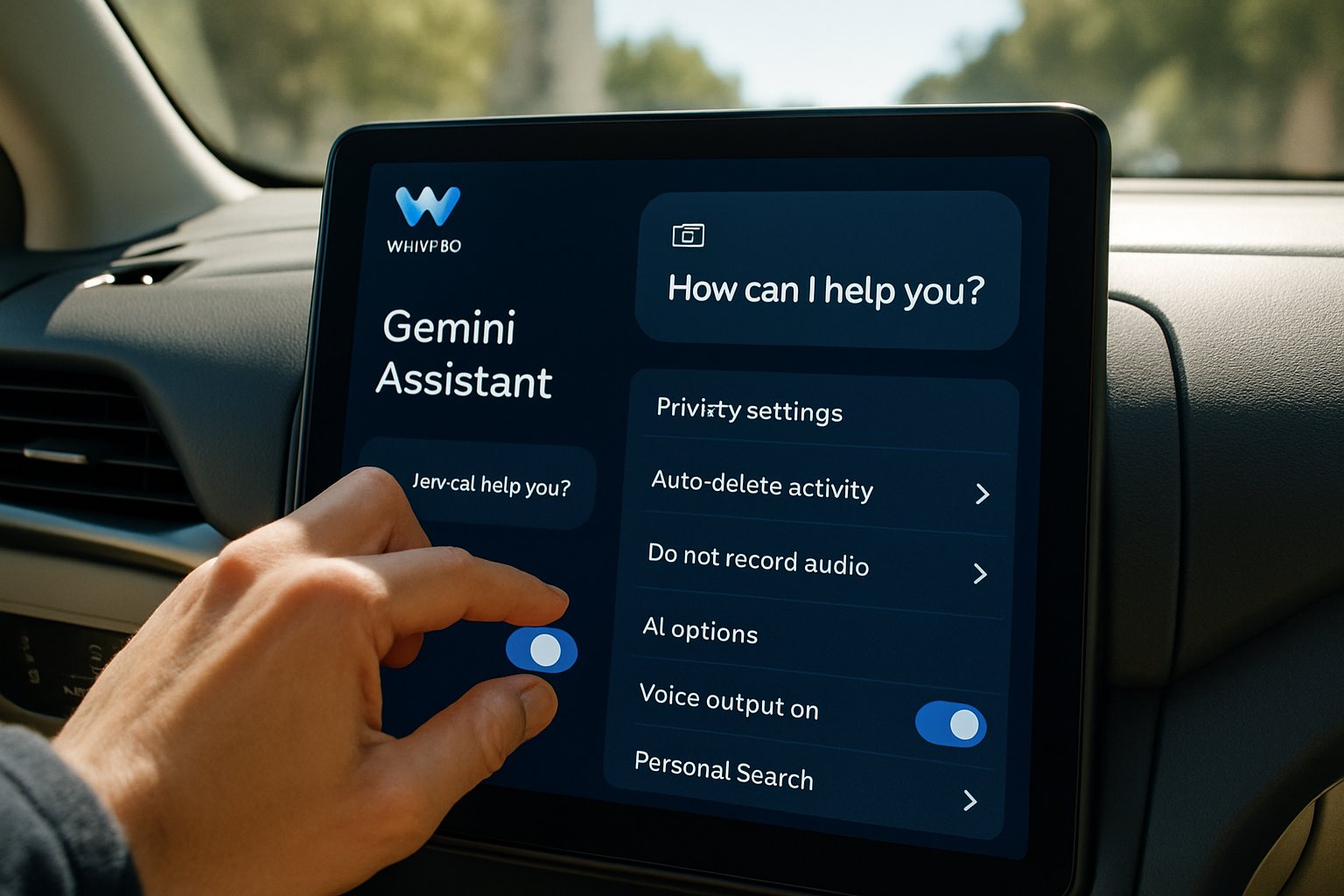
These revelations underline Alphabet’s incremental product strategy. Meanwhile, competing Robotaxi operators race to match passenger amenities. The Waymo Gemini Assistant could therefore become a differentiator if public trials proceed.
Tech Stack And Model
Technically, the assistant depends on Google’s Gemini family, the same platform powering Waymo’s 2024 EMMA research. Furthermore, the meta-prompt instructs the model to keep answers short because audio latency matters in a moving cabin. Tool calls use tightly scoped APIs like “set_temperature_setpoint.” Moreover, disallowed functions cover seat adjustment and volume control, reflecting risk segmentation. Integration choices reveal security thinking: the language model cannot directly drive actuators beyond climate or media.
The assistant also specifies a voice called “Sulafat,” suggesting branding experimentation. Additionally, Alphabet CEO Sundar Pichai noted in July 2025 that Waymo Driver has logged over 100 million autonomous miles. Consequently, Gemini gains exposure to a vast operational dataset, albeit indirectly. Nevertheless, the company says driving decisions stay isolated from the conversational system.
Such architectural separation reassures regulators. However, deeper audits will test whether the firewall holds as feature integration expands.
Capabilities And Known Limitations
According to the recovered prompt, the Waymo Gemini Assistant can:
- Change cabin temperature and fan speed
- Control interior lights and music playback
- Provide current location or call rider support
- Politely refuse questions about real-time driving
Meanwhile, the model must follow strict refusal scripts when riders ask why the vehicle braked or which sensor detected a cyclist. Consequently, liability remains with the core Waymo Driver system. Furthermore, the assistant exits repetitive out-of-scope loops. Wong’s analysis highlights “deflect and defer” language embedded within the prompt.
Limitations extend to data capture. The assistant cannot enable cameras or alter privacy settings. Nevertheless, earlier reporting revealed draft UI text implying interior camera data might train AI. Waymo later called that text a placeholder. These constraints emphasize that safety messaging overrides convenience. However, feature gaps may frustrate tech-savvy riders accustomed to voice flexibility.
Overall, capabilities improve cabin comfort, yet limitations protect legal boundaries. Therefore, careful expansion will likely follow user feedback.
Privacy And Regulatory Spotlight
Privacy groups quickly reacted after the leak. Moreover, California regulators already scrutinize Robotaxi incidents, including a December 2025 San Francisco outage. Consequently, any new microphone or camera use triggers heightened concern. The meta-prompt stores rider names, trip context, and past utterances. However, Waymo states that riders can opt out of data use for model training.
Additionally, watchdogs question retention periods and cloud processing locations. Meanwhile, the assistant’s refusal to describe driving may satisfy legal counsel yet could frustrate curious passengers. In contrast, transparency advocates call for readable audit logs. Therefore, Waymo faces a communications balancing act.
Professionals can enhance their expertise with the AI Robotics™ certification. Such credentials help teams navigate the evolving compliance landscape.
These regulatory pressures underscore that product delight alone will not guarantee approval. Consequently, privacy design must advance in parallel with passenger features.
Competitive Robotaxi Landscape Snapshot
Waymo is not alone in voice AI pursuits. GM announced Gemini-powered assistants for 2026 vehicles. Tesla plans to bring xAI’s Grok into its cockpit. Furthermore, Chinese Robotaxi firms showcase Mandarin voice pilots. Consequently, differentiators now hinge on depth of vehicle integration and perceived trustworthiness.
Waymo enjoys a head start with 250,000 paid rides each week across more than ten cities. Additionally, the company emphasizes redundant safety layers. However, rivals market more permissive voice controls that adjust seats or windows. Such contrasts could sway rider preference.
Key competitive metrics include:
- Average ride completion without disengagement
- Passenger satisfaction survey scores
- Voice command error rates
These indicators will shape investor sentiment. Nevertheless, the Waymo Gemini Assistant links the brand tightly with Google’s AI leadership, adding marketing weight.
Market movements show that conversational AI is becoming table stakes. Therefore, deployment pace may influence future city permits.
Unanswered Future Roadmap Questions
Several gaps remain. Firstly, Waymo has not clarified pilot geographies or rider selection criteria. Secondly, backend audio retention policies await disclosure. Moreover, security researchers want to know how spoofing attempts are detected. Additionally, the assistant’s impact on ride duration metrics is unknown.
Meanwhile, enterprise partnerships could emerge. For example, business travelers might link calendars for contextual reminders. However, adding personal data streams would intensify compliance complexity. Subsequ ently, product managers must weigh benefit against exposure.
Investors also wonder about monetization. Advertising is currently disallowed, yet future premium tiers could bundle concierge perks. Consequently, revenue diversification may depend on positive user sentiment.
These open questions suggest a cautious roadmap. Nevertheless, Waymo’s iterative culture implies continuous feature testing and refinement.
The unanswered points frame the next chapter. However, official briefings will determine how quickly trust follows innovation.
The Waymo Gemini Assistant signals Alphabet’s intent to blend conversational AI with autonomous mobility. Moreover, technical guardrails show lessons learned from earlier generative rollouts. Privacy and regulatory hurdles remain significant. However, competitive pressure will likely accelerate public pilots. Consequently, professionals should track policy updates and rider feedback carefully. Explore deeper autonomy skills and stay ahead of innovation by pursuing advanced certifications and following our upcoming analyses.


