

AI CERTS
6 months ago
ServiceNow’s $7.75B Armis Deal Redefines Cybersecurity AI
Industry veterans recognize the cloud workflow giant's platform ambitions extend beyond workflow automation. Moreover, Armis brings deep device visibility across IT, OT, and IoT assets. These complementary strengths could reshape enterprise risk narratives during the coming decade. Nevertheless, execution risks remain significant. The following analysis unpacks key terms, rationale, market reaction, and future paths.
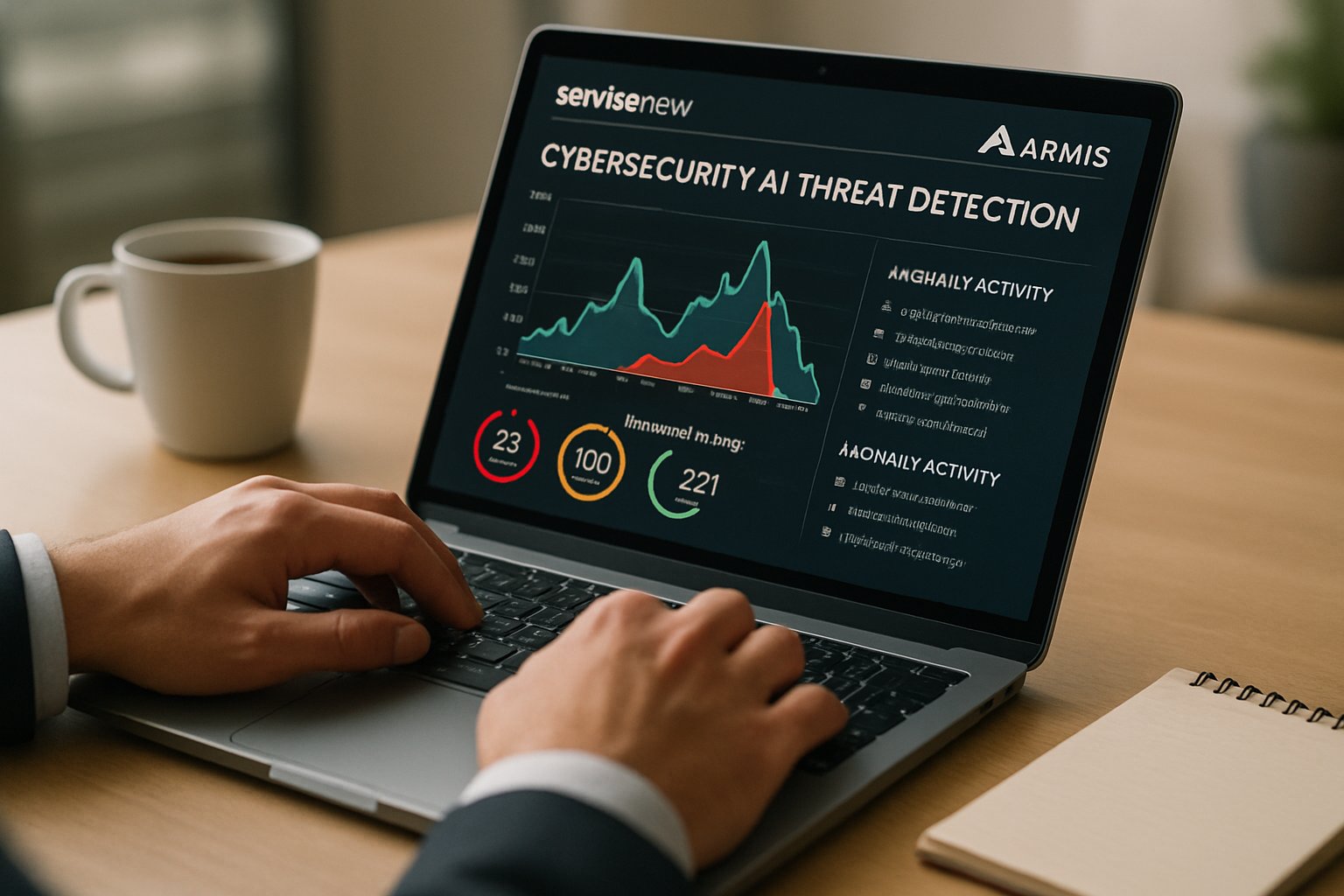
Deal Overview Snapshot Insights
Firstly, the deal stands among 2025's largest security M&A announcements. ServiceNow will pay approximately $7.75 billion in cash for Armis, subject to regulatory clearance. Consequently, close is projected for the second half of 2026.
Reuters reported the buyer's shares dipped around two percent on confirmation. Furthermore, the firm hit $340 million ARR and 50% annual Growth before signing. Below facts summarise core metrics:
- Deal value: $7.75 billion in cash
- Target metrics: 950 staff, 35% Fortune 100 footprint
- Financing mix: cash and new debt lines
Overall, the headline terms illustrate bold appetite for platform expansion. Stakeholders already brand the move a defining Cybersecurity AI moment for 2025. These figures set the stage; next, we detail financial mechanics.
Financial Terms And Details
In contrast, the November 2025 Armis funding valued the firm at $6.1 billion. Therefore, ServiceNow is paying roughly a 27% premium. Analysts debate whether the multiple reflects scarce OT security assets or bidding pressure. Moreover, CFO Gina Mastantuono insists the acquisition remains fiscally disciplined.
She stated that debt capacity and cash flows easily absorb the outlay. Cybersecurity AI valuations often command premiums, amplifying negotiation stakes. Nevertheless, critics warn serial M&A can distract leadership and dilute returns. Consequently, investor calls now center on pro forma margin trajectories.
Strategic Rationale In Focus
The buyer positions the deal as cornerstone for autonomous security workflows. Armis supplies agentless discovery while the platform contributes orchestration and business context. Consequently, combined data should feed an adaptive risk engine across clouds, devices, and models. Moreover, executives highlight rising attack surfaces inside manufacturing plants and hospitals.
Cybersecurity AI capabilities become essential when patching overloaded human teams is impossible. Therefore, the merged stack aims to sense, decide, and act without manual tickets. Professionals can enhance their expertise with the AI Engineer™ certification. Such credentials may ease talent shortages during post-close integration.
These motives outline strong logic. Further analysis explores that synergy in detail.
Technology Synergy And Potential
Unlike legacy scanners, the target platform inventories unmanaged sensors within seconds. Subsequently, the configuration database assigns business impact scores to each vulnerable asset. Cybersecurity AI models then prioritize remediation using contextual risk scores. Additionally, workflow bots dispatch tasks to network, OT, and application teams automatically.
In contrast, standalone visibility vendors still rely on manual triage queues. Therefore, customers could shrink mean-time-to-respond while boosting compliance reports accuracy. These technical gains support the broader strategic thesis highlighted earlier. Market dynamics, however, could influence adoption.
Market Context And Reactions
Global security spending will reach roughly $240 billion in 2026, Gartner projects. Consequently, vendors face intense competition for exposure management dollars. The acquirer hopes the purchase triples its addressable market. However, investors punished the stock during announcement week, citing price and execution doubts.
Bloomberg noted similar discounts during earlier M&A rumors in 2025. Meanwhile, analysts at KeyBanc and Morgan Stanley lowered near-term estimates. Cybersecurity AI narratives continue dominating conference keynotes and analyst briefings. Nevertheless, bulls argue accelerated Growth in OT security justifies the premium.
In contrast, Tenable, CrowdStrike, and Palo Alto Networks may feel pressure to respond. These reactions reveal a market balancing fear and opportunity. The next section examines integration hurdles shaping that balance.
Integration Risks And Challenges
Integration often kills value when cultures clash or product roadmaps diverge. Furthermore, retaining nearly 950 security specialists will test acquirer human resources playbooks. Therefore, generous retention packages and clear promotion paths appear essential. Regulators could also request concessions because critical-infrastructure customers rely on the target.
Moreover, cross-border data transfer rules remain fluid across allied nations. Effective documentation will anchor Cybersecurity AI trust discussions with regulators. Nevertheless, delayed approval would stretch integration timelines and inflate costs. Mounting costs could erode projected Growth synergies if markets tighten.
These risks underline the importance of disciplined execution. Yet strategic planning continues toward a unified roadmap.
Cybersecurity AI Roadmap Ahead
Post-close, executives promise quarterly platform milestones. Subsequently, customers should expect unified dashboards linking device exposure scores and workflow automation. Cybersecurity AI insights will drive prioritized recommendations within those dashboards. Moreover, GPT-style assistants could explain remediation steps in plain language.
The company also signals expanding predictive models toward insider risk and data lineage. Consequently, roadmap success could unlock durable Growth across new verticals. These ambitions remain aspirational until integration closes. The conclusion now distills practical lessons for stakeholders.
Every monumental platform shift begins with a bold decision. The acquisition represents such a decision. Cybersecurity AI promises faster detection, broader coverage, and autonomous workflows. However, premium pricing, integration complexity, and regulatory reviews could dilute projected synergies.
Nevertheless, disciplined execution may convert short-term scepticism into sustained Growth. Investors should track roadmap milestones, retention metrics, and cost savings during 2026. Professionals eager to lead upcoming transformations can validate skills through the AI Engineer™ certification. Now is the moment to align talent strategies with an accelerating security landscape fueled by strategic M&A.
Disclaimer: Some content may be AI-generated or assisted and is provided ‘as is’ for informational purposes only, without warranties of accuracy or completeness, and does not imply endorsement or affiliation.


