

AI CERTS
3 months ago
Kosmera Hypercar Unveils Autonomous Systems at CES 2026
Industry insiders are intrigued because the vehicle combines aerospace materials, AI coaching, and steer-by-wire. Nevertheless, most specifications remain unverified before the show floor lights up. Consequently, engineers, investors, and regulators will scrutinize every figure during the event. This report previews the prototype, unpacks headline claims, and frames key unanswered questions. Additionally, it outlines certification paths for professionals eager to shape next-generation mobility. Readers will gain clear context, data points, and suggested next steps. In contrast to promotional blogs, we focus on measurable facts.
Kosmera Prototype Highlights Overview
Kosmera released its first press statement on December 23, 2025. Subsequently, the note spread across tech wires within hours. It promises two static Hypercar prototypes on display inside the LVCC West Hall. Moreover, booth 7067 is slated to host walkthroughs every afternoon. Kosmera markets the car as dual-mode: comfortable commuter and track weapon. Key advertised figures sound bold despite missing validation.
For example, the company cites 350 kW per wheel peak output. If accurate, total power approaches 1,400 kW. However, curb weight, battery size, and thermal management remain undisclosed. The startup insists its software-defined chassis will harmonize performance and Autonomous Systems. These highlights excite enthusiasts yet raise questions about feasibility. Consequently, objective data gathering at CES becomes essential.
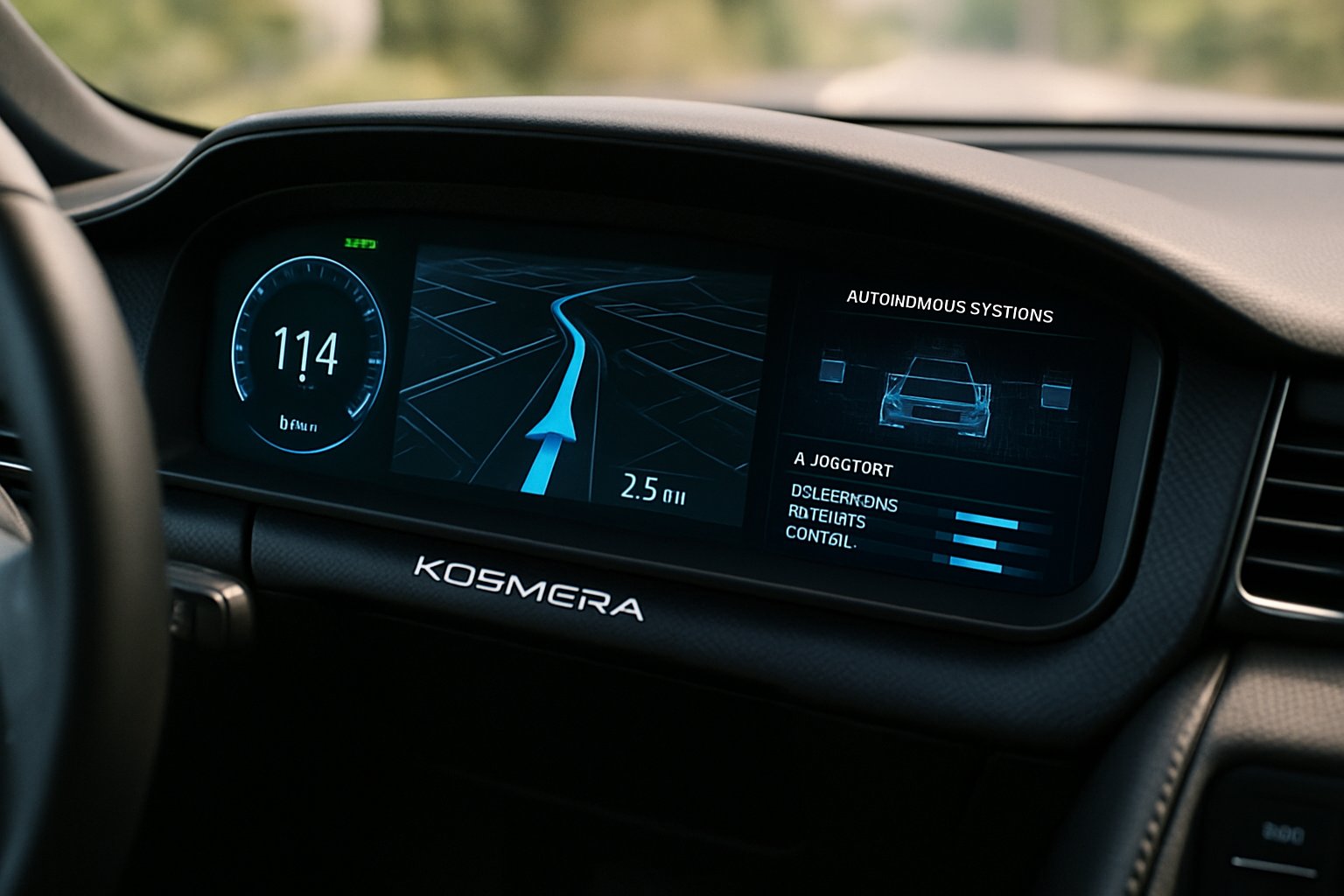
- 350 kW per wheel powertrain headline
- Active linear motor suspension with comfort and track modes
- Dual-steering wheels integrated with AI Coach guidance
- Aerospace composites and 3D-printed metal chassis
- AR HUD delivering racing lines in real time
These points outline a compelling vision. However, independent validation will decide market perception.
AI Powertrain Fundamentals Explained
Electric propulsion dominates premium performance discussions today. Kosmera follows that trend yet amplifies it. Additionally, each wheel will host a 350 kW motor, according to the release. In contrast, most present Hypercar competitors cap around 250 kW per wheel. Kosmera claims the architecture supports real-time torque vectoring managed by Autonomous Systems. Therefore, traction, yaw, and stability corrections should happen in milliseconds.
Meanwhile, active linear motor suspension promises to flatten body roll during cornering. Engineers will want sustained power curves, not only peak bursts. They will also request dyno graphs recorded under standardized test cycles. Without such data, marketing rhetoric risks overshadowing engineering substance. Nevertheless, Kosmera says predictive thermal control, guided by Autonomous Systems, keeps cells within optimal temperature. Consequently, range predictions cannot be validated yet.
Technical transparency will be crucial for investor confidence. Moreover, precise numbers help regulators assess compliance.
Steer-By-Wire Safety Questions Critical
Steer-by-wire removes the physical link between steering wheel and rack. Consequently, electronic redundancy must meet ISO 26262 safety targets. Kosmera cites aerospace-grade failsafes but discloses no certification evidence. Moreover, federal regulators still review production steer-by-wire proposals from larger OEMs. In contrast, a startup faces steeper scrutiny when requesting exemptions. Functional safety experts will demand dual power supplies, diverse controllers, and mechanical backups.
They will also ask how Autonomous Systems intervene during failure modes. SEC filings from peer EV firms outline potential civil liability linked to steering faults. Therefore, Kosmera must prepare transparent validation documents. Expect journalists to chase ASIL target levels and third-party audit dates. These details will determine investor confidence and consumer trust. However, current silence triggers skepticism.
Satisfying safety auditors will unlock production pathways. Consequently, timelines depend on documented evidence.
Immersive Driving Interface Details
Kosmera pushes experience features as hard as horsepower. Most intriguing is the on-board AI Coach delivering live feedback. An AR HUD projects ideal racing lines and braking markers onto the windshield. Furthermore, the system stores driver telemetry to tailor personalized drills. Modern gamers will recognize similar guidance from simulation titles. However, real-world implementation must account for liability during high-speed mistakes.
Consequently, Autonomous Systems must decide when to override or mute suggestions. Additional inputs include haptic cues within the dual-steering configuration. The interface supposedly shifts to comfort mode for daily Mobility errands. Voice control, gesture input, and cloud analytics remain rumored rather than confirmed. Therefore, CES demonstrations will either validate or undermine headline narratives. Two static cars may limit proof opportunities, nevertheless simulations could help.
A convincing UI demo could differentiate Kosmera. However, execution missteps would erode consumer trust.
Market Context And Gaps
Analyst reports show the AR HUD market valued near USD 2.3 billion in 2024. Moreover, compound growth projections exceed 14 percent through 2033. These numbers explain why suppliers like Bosch and Continental invest heavily. Similarly, compute leaders NVIDIA and Qualcomm target automotive edge workloads. Consequently, startups promise disruptive Autonomous Systems to attract funding. Yet history warns that hype fades without validation. Several EV hopefuls stalled after missing production milestones. Investors now request independent benchmarks before wiring capital. Kosmera’s messaging outlines ambition but skips measurable units such as curb weight.
Additionally, the prototype hasn't completed regulatory track testing. Media coverage therefore remains press-release centric. Autonomous Systems must eventually graduate from booths to public roads. That journey demands capital, supplier cooperation, and government approval. The coming CES window offers the first reality check. Outcomes will influence broader Mobility strategies across the industry.
Strong evidence could reposition Kosmera from hype to credibility. Conversely, vague answers may cool enthusiasm.
Talent And Certification Pathways
Building credible Autonomous Systems requires multidisciplinary talent. Software engineers, control theorists, and safety auditors must collaborate tightly. However, many professionals lack formal training in data-centric vehicle AI. Consequently, targeted learning programs gain traction. Professionals can enhance their expertise with the AI+ Data Robotics™ certification. The curriculum emphasizes sensor fusion, redundancy design, and functional safety. Moreover, it includes modules on AR HUD rendering pipelines and AI Coach ethics.
Graduates walk away equipped to audit Hypercar prototypes or mass-market crossovers alike. Kosmera and peer startups will hire aggressively after funding rounds close. Therefore, career timing looks favorable. Autonomous Systems expertise now commands premium salaries across Mobility suppliers. Contenders should document practical projects to stand out. Meanwhile, recruiters prefer candidates comfortable with rapid regulatory shifts. Certification signals commitment to continuous improvement. Such signals accelerate interviews, according to several Tier-1 managers.
Well-prepared talent accelerates innovation cycles. Therefore, ongoing education remains a strategic advantage.
Kosmera intends to wow CES visitors with disruptive performance and digital driver aid promises. Yet crucial figures such as weight, battery size, and safety audits await verification. Consequently, engineers and investors should approach the booth armed with pointed questions. The next four months will reveal if marketing headlines translate into homologated vehicles. Meanwhile, professionals can future-proof careers by pursuing advanced AI and data certifications. Taking that step ensures readiness to evaluate and improve every emerging Hypercar platform. Visit the certification portal today and transform curiosity into career momentum.


