

AI CERTS
3 months ago
Echo Funding Secures $35M To Reinvent Container Security
This article unpacks key numbers, technology claims, investor views, and potential pitfalls. Moreover, readers will learn how autonomous image factories could reshape vulnerability management within Docker pipelines. Meanwhile, we examine market forces that made a $35M check appear almost routine. Echo Funding underscores a broader capital shift toward proactive platform hardening. Nevertheless, questions about provenance, auditability, and long-term compatibility remain unanswered. The following sections deliver structured insights for engineering leaders evaluating Echo offerings.
Series A Funding Milestone
On 16 December 2025, Echo revealed its $35M Series A led by N47. The round follows a $15M seed round completed only five months earlier. Together, the financings bring disclosed backing to $50M, sealing Echo Funding's momentum. Additionally, N47 partner Moshe Zilberstein cited an accelerating “AI-versus-AI arms race” as rationale. Notable Capital, Hyperwise Ventures, and SentinelOne’s S Ventures also participated.
Consequently, Echo’s cap table now reflects deep cybersecurity expertise across investors. Company executives plan to expand headcount beyond the current 35 employees within months. Moreover, funds will support an aggressive roadmap for an AI-native operating system for cloud workloads.
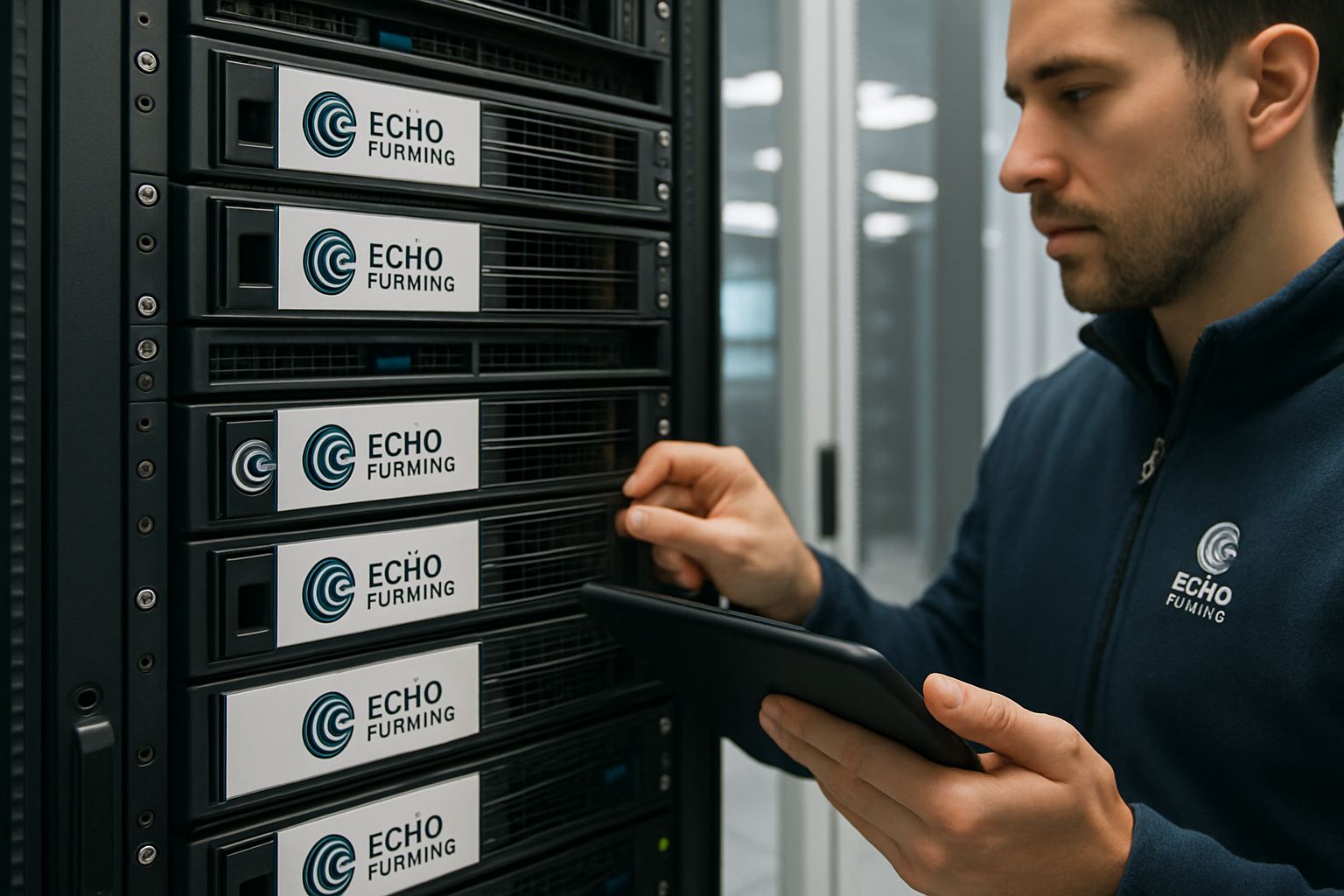
In summary, the $35M infusion validates market appetite for automated vulnerability elimination. Therefore, the next section examines why that problem persists at large scale.
Market Container Vulnerability Crisis
Vulnerabilities hiding inside base images overwhelm security teams. Studies referenced by CTO Eylam Milner attribute over 90% of container flaws to that layer. Furthermore, scanners often surface thousands of CVEs across a single microservices fleet. Consequently, remediation tickets flood backlogs, delaying releases and frustrating auditors.
The most pressing pain points include the following statistics:
- More than 90% of detected issues originate below the application code.
- Typical Docker scans reveal 800+ CVEs per service after each build.
- Teams lose 200 engineering hours per release chasing patches.
Additionally, many organizations lack Security Agents sophisticated enough to triage constant disclosure feeds. Echo Funding positions itself as the antidote to that operational chaos.
These data points highlight an urgent gap in existing workflows. Subsequently, we explore how Echo’s image factory claims to close it.
Echo Autonomous Image Factory
Echo’s platform orchestrates specialized Security Agents that rebuild base images whenever upstream dependencies shift. Moreover, the agents monitor disclosure feeds, apply patches, and open pull requests for human review. Docker compatibility remains central; the company advertises a single-line Dockerfile change for adoption. Therefore, migration friction stays minimal while compliance evidence improves.
Product marketing touts several outcomes:
- Zero CVEs visible in Trivy and comparable scanners at delivery time.
- Twenty-four-hour remediation service-level agreement after each new advisory.
- Over 600 maintained images managed by fewer than 40 people.
Professionals can enhance their expertise with the AI Architect certification. Echo Funding claims these advantages slash audit preparation effort for customers like Varonis and UiPath.
Overall, the factory approach promises scale previously unreachable with manual pipelines. However, investors also assessed execution risks, detailed next.
Investor Confidence And Signals
Moshe Zilberstein stressed that AI now writes more code than humans. Consequently, investors believe automated patching is inevitable. Echo Funding appears timed perfectly to capitalize on that sentiment. Furthermore, the $35M total dwarfs typical Series A checks in Israeli cybersecurity.
Notable Capital partner Marius Svane echoed confidence, citing early revenue growth. Additionally, several limited partners requested direct trials after diligence calls. The funding structure remains undisclosed, yet insiders hint at a valuation north of $150M. Echo Funding therefore, enjoys a war chest sufficient for a multi-year runway.
Investor enthusiasm underscores perceived product-market fit. In contrast, competitors are accelerating their responses, examined next.
Competitive Container Security Landscape
Google’s Distroless images pioneered minimal base layers years ago. However, those communities lack managed patch guarantees. Moreover, legacy CNAPP vendors depend on reactive scanning rather than proactive rebuilding. Security Agents embedded inside Echo’s factory give the startup a distinct automation edge.
Nevertheless, rival ventures like Chainguard, Aqua, and Wiz promote signed, hardened images. Docker itself recently previewed official slim variants to cut the attack surface. Consequently, enterprises now evaluate multiple offerings that promise similar outcomes.
Echo Funding must prove sustained zero-CVE performance to fend off these alternatives. Therefore, long-term differentiation will hinge on transparent provenance tooling.
Competitive dynamics raise the stakes for reliable delivery. The following section addresses associated risks.
Adoption Risks And Mitigations
Enterprises adopting third-party images must trust external build pipelines. Consequently, Echo provides signatures, SBOM files, and supply-chain attestations. However, independent audits remain limited. Security Agents generating code can introduce unforeseen logic defects. Additionally, subtle behavioral changes may break legacy integrations despite Docker compatibility promises.
Echo Funding offers service credits and regression SLAs to reduce perceived exposure. Moreover, customers can sandbox images before promotion using existing CI stages. $35M of backing also supports expanded compliance programs, including planned FIPS validations.
Risk awareness enables informed procurement decisions. Subsequently, we close with strategic takeaways for technology leaders.
Conclusion
Echo Funding reflects investor belief that automated, AI-driven hardening will dominate cloud security. Furthermore, $35M in new capital accelerates an ambitious roadmap for CVE-free container infrastructure. Echo’s Security Agents, Docker drop-in design, and rapid patch SLA deliver compelling value. Nevertheless, organizations must verify provenance, run pilot scans, and demand transparent audits. Professionals seeking to guide such evaluations should pursue advanced credentials, including the linked AI Architect certification. Ultimately, proactive teams that master these tools will ship software faster while meeting rising compliance expectations.


