

AI CERTS
3 months ago
Dell AI Factories Garner Record $12B Orders Amid Surging Demand
Analysts now track Dell as a central supplier of generative AI infrastructure. However, sharp revenue spikes arrive with margin headaches and unpredictable shipment rhythms. This feature unpacks the numbers, drivers, and risks behind the Dell AI Factories phenomenon. Additionally, we explore why marquee customers like xAI and CoreWeave choose Dell over nimble rivals. Finally, readers gain guidance on certifications that sharpen product leadership in this fast market. Prepare for a data-rich journey through the largest hardware land grab of the AI era. The stakes grow bigger each quarter. Therefore, executives must understand both opportunity and exposure now.
Record Demand Surge Continues
May 29, 2025 marked a new watermark for Dell's Infrastructure Solutions Group. The company reported $12.1 billion in AI server bookings for the quarter. Consequently, Servers and Networking revenue reached a Q1 record of $6.3 billion. Management described demand as unprecedented, citing multi-industry interest in large language model training.
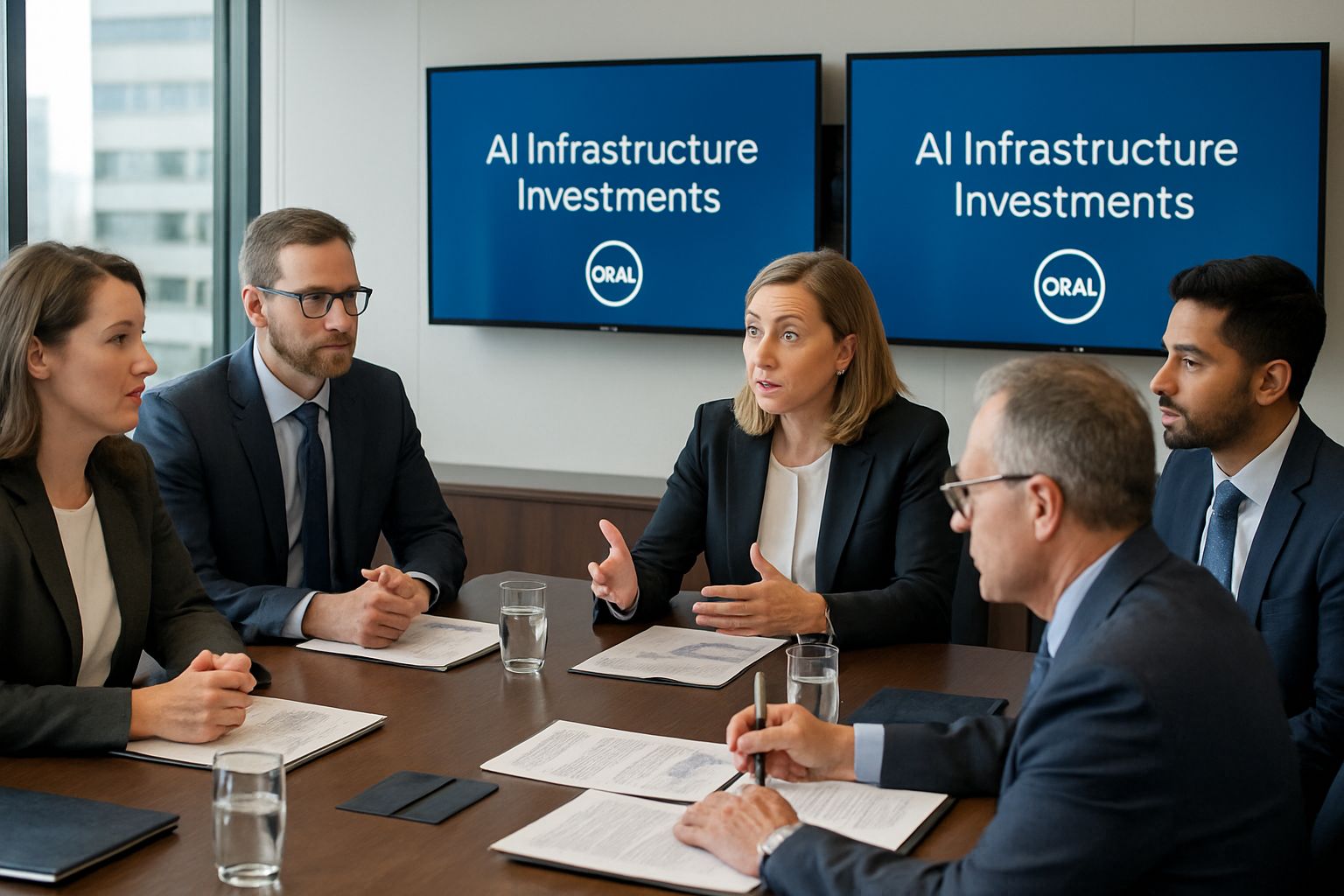
Moreover, customers accelerated purchase timelines to secure scarce NVIDIA accelerators inside pre-integrated racks. Many deals bundle storage, networking, and professional services, boosting average contract values. Dell AI Factories enable turnkey deployment, which reduces build cycles from months to weeks. Orders often cluster around fiscal year budgeting deadlines, explaining quarter-to-quarter swings. Nevertheless, management highlighted a five-quarter pipeline several times larger than current backlog. These figures confirm a demand surge that shows little sign of cooling.
Record bookings validate Dell's aggressive AI pivot. However, backlog dynamics warrant deeper analysis in the next section.
Pipeline And Backlog Dynamics
Backlog measures confirmed that demand materializes faster than data centers can absorb hardware. Dell exited Q1 with $14.4 billion in unshipped AI gear. Subsequently, backlog shrank slightly to $11.7 billion after record Q2 shipments. Nonetheless, executives reiterated that site readiness, power, and cooling often delay deliveries.
Furthermore, customers sometimes stage purchases across fiscal years to balance capital budgets. Dell AI Factories deals therefore arrive in chunky waves rather than smooth streams. Orders booked during early design phases may take six quarters to convert into revenue. Analysts caution that forecasting becomes harder when a single contract exceeds $500 million.
- $12.1B Q1 bookings surpassed total FY2025 AI shipments.
- Backlog peaked at $14.4B before Q2 deliveries.
- $8.2B shipped in Q2, trimming backlog yet lifting revenue.
- Management now guides nearly $20B in FY26 AI shipments.
- Pipeline reportedly tops $35B across five quarters.
- $12.3B represents Dell's estimated maximum quarterly production capacity by late 2026.
These numbers underline strong visibility despite shipment variability. Consequently, attention turns to profitability.
Margin Pressure Mounts Fast
Revenue growth rarely comes free. High-end GPUs and specialized cooling erode hardware margins, analysts warn. Q2 gross margin slipped to about 18.7%, down sequentially despite soaring volume. Analysts estimate each $12.3B in quarterly shipments shaves about 40 basis points from gross margin. ISG operating margin also fell near 8.8%, according to coverage.
Moreover, competitive price tension from Supermicro and HPE limits Dell's room to raise quotes. Dell AI Factories depend on NVIDIA supply, which remains scarce and expensive. Consequently, short-term profit dilution appears inevitable while capacity ramps. Nevertheless, services and storage attachments can offset hardware pressure over time.
Margin trends warrant close monitoring by investors. In contrast, customers focus mainly on speed and scale, not gross percentage points. Analysts expect services mix to climb, lifting blended margins by 2027. Consequently, long-term profitability may rebound despite near-term dilution.
Competitive Landscape Shift Intensifies
Dell faces rivals on multiple fronts. Supermicro courts hyperscalers with rapid design cycles and aggressive pricing. HPE promotes GreenLake models that bundle on-prem consumption and managed services. Meanwhile, cloud providers continue building custom accelerators to lower dependence on external OEMs.
Nevertheless, Dell AI Factories offer breadth few competitors match. Furthermore, Dell leans on a global manufacturing network that shortens lead times. The company also touts security certifications vital for sovereign deployments. Orders from governmental agencies therefore hold strategic importance beyond raw dollars.
Competitive dynamics remain fluid as supply constraints shift. Next, we examine real deployments to ground the narrative.
Customer Deployment Stories Emerge
CoreWeave selected Dell for an additional U.S. GPU cluster earlier this year. Engineers highlighted rack-level liquid cooling that slashed power use by 20%. In contrast, xAI purchased systems to host proprietary models for autonomous agents. Both customers valued accelerated delivery over discount maximization.
The Department of Energy's Doudna supercomputer also relies on Dell AI Factories infrastructure. Consequently, researchers expect earlier simulation results in climate and bioscience studies. Reports suggest Dell delivered the first racks eight weeks after contract signing. Such timelines illustrate the operational meaning behind the factory metaphor.
Deployments validate Dell's value proposition on the ground. Therefore, strategic questions shift toward sustainability and roadmap alignment.
Strategic Outlook Ahead Brightens
Guidance now targets nearly $20 billion in AI shipments for fiscal 2026. Executives also point to a five-quarter pipeline exceeding $35 billion. If realized, quarterly run-rate capacity could approach $12.3B by late 2026. Additionally, Dell aims to attach more software subscriptions through its APEX offering.
Dell AI Factories may therefore become higher-margin platforms once initial hardware base is installed. Moreover, Blackwell GPU availability should improve, easing supply bottlenecks and price premiums. Nevertheless, component cycles, tariffs, and currency swings remain persistent threats. Management pledges disciplined backlog conversion to mitigate those variables. Experts suggest three focus areas for technology leaders seeking advantage:
- Strengthen supply partnerships to secure accelerators and networking.
- Invest in modular site power and cooling upgrades early.
- Upskill teams through specialized AI product management credentials.
Professionals can enhance their expertise with the AI Product Manager™ certification. Forward-looking enterprises also pilot internal AI centers of excellence to spread best practices. Moreover, early budgeting for renewable energy offsets helps control long-term operating expenses. Subsequently, finance teams tie capital plans to staggered milestone payments. These governance moves reduce project delays and surprise cash drains. Such skills accelerate roadmap alignment with Dell AI Factories deployments across divisions.
Strategic execution will decide long-term winners in this infrastructure race. Finally, we summarize the key insights.
Final Action Steps Forward
Dell AI Factories have moved from concept to cornerstone of enterprise AI planning. Record bookings, deep backlog, and rapid deployments demonstrate sustainable demand. However, margin volatility, supply constraints, and competition maintain pressure on execution. Consequently, leaders must balance speed, cost, and risk when scaling workloads. Therefore, honing product management skills and securing forward contracts become decisive moves. Explore Dell resources, review certification options, and position your organization for the next $12.3B capacity wave. The opportunity is big; action today shapes tomorrow's competitive edge. Act decisively, and tomorrow's platforms will bear your company's brand.


