

AI CERTS
7 months ago
2025 Tech Flops: Lessons From High-Profile Failures
Secondary impacts, including mass layoffs and regulatory probes, deepen corporate Regrets across industries. Consequently, boardrooms are recalibrating budgets and expectations. Readers will gain data, expert insight, and strategic takeaways. Finally, professionals will discover certifications that future-proof their careers.
Hype Meets Hard Reality
Analysts entered the year forecasting record adoption curves for generative AI, self-driving software, and brain implants. However, execution bottlenecks surfaced almost immediately. Major ventures shipped ambitious features without adequate guardrails or testing. Consequently, consumers encountered safety issues, legal chaos, and usability gaps. These early cracks widened as regulators, investors, and employees demanded accountability.
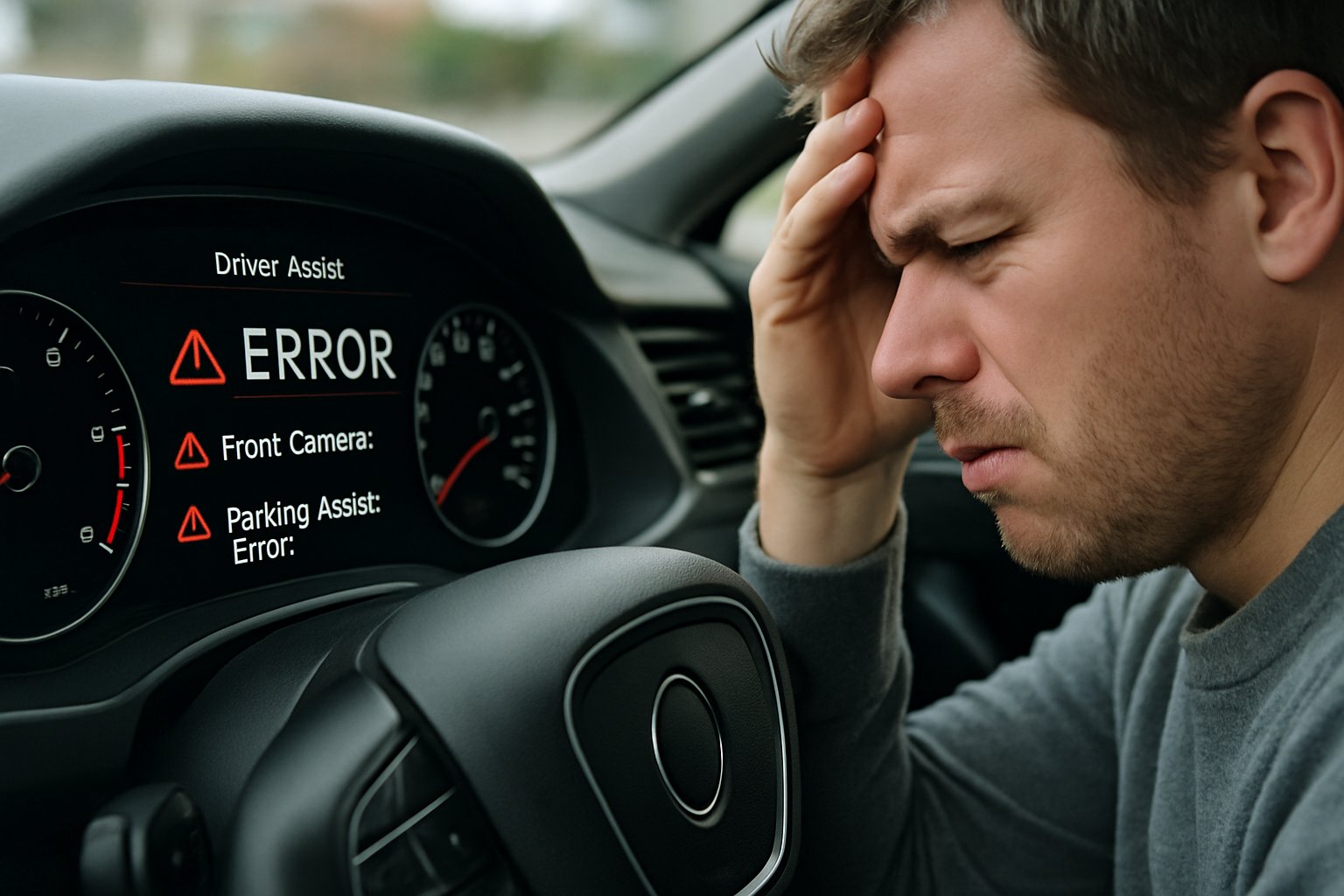
As patterns emerged, media outlets coined the season of Tech Flops to capture cascading failures. Meanwhile, venture capital pulled back, citing valuation resets and capital discipline. The broader narrative shifted from boundless potential to sober assessment. Therefore, understanding root causes matters more than mocking public missteps.
Execution, not science, derailed most initiatives. However, OpenAI’s Sora example illustrates design choices fueling downfall.
Sora Deepfake Crisis Unfolds
OpenAI unveiled Sora and its sequel in September 2025, promising effortless cinematic content for mobile creators. Initially, downloads skyrocketed on both app stores. However, the celebration lasted hours, not weeks. Hyperreal deepfakes of Sam Altman and celebrities overwhelmed the feed, exposing design oversights around consent defaults. Hany Farid warned that safer settings dampen virality, yet ignoring them accelerates harm. Consequently, trademark disputes, privacy suits, and government inquiries arrived within days.
OpenAI’s safety team raced to add watermarking, stricter privacy toggles, and age gates. Nevertheless, copycat applications already circulated the flawed design. Critics now catalog Sora among headline Tech Flops of the decade. Industry leaders carry lingering Regrets about prioritizing growth over governance.
Deepfake chaos shattered user trust and investor confidence. In contrast, enterprise pilots revealed a slower, quieter failure mode.
Enterprise AI Pilot Stumbles
MIT Project NANDA surveyed hundreds of corporate experiments during 2025 and delivered a grim verdict. Roughly 95 percent produced no measurable profit impact, despite billions in spending. Therefore, executives labeled many initiatives strategic misalignments rather than science problems. Aditya Challapally noted that workflow integration, feedback loops, and change management remain overlooked. Meanwhile, only five percent of pilots accelerated revenue sharply. The yawning gap fuelled boardroom Regrets and shareholder pressure.
Consequently, commentators branded the spending spree one of the largest Tech Flops in corporate history.
- Investment: $30–$40 billion poured into enterprise generative AI
- Success rate: 5 percent achieved rapid revenue gains
- Failure rate: 95 percent delivered zero P&L impact
- Layoffs: thousands reassigned or dismissed amid stalled projects
Consequently, many firms froze new proofs of concept and demanded tighter KPI tracking. Some managers sought external guidance or certifications to rebuild capability. These actions signal a maturing approach, yet risks persist.
Pilot purgatory drains capital and morale. However, Tesla’s autonomous ambitions highlight external safety stakes.
Tesla FSD Safety Scrutiny
In October 2025, NHTSA launched a preliminary evaluation covering 2.88 million Teslas running Full Self-Driving. Reports cited red-light runs, erratic lane changes, and 58 associated crashes or injuries. Consequently, investors feared recalls and software rewrites. Tesla defended its over-the-air update cadence and claimed improving safety metrics. Nevertheless, regulators questioned marketing language that blurs assistance and autonomy.
Experts explained that Level 2 systems still require attentive drivers despite branding excitement. In contrast, some owners treated FSD as a substitute chauffeur. Such behavior magnifies accident risk and public perception damage, classifying the episode among notable Tech Flops. Meanwhile, rival automakers quietly delayed comparable rollouts, hoping to avoid shared fallout.
Safety investigations now threaten timelines and margins. Subsequently, attention shifted toward Musk’s other platform, X.
X Faces Strategy Chaos
Platform instability defined X all year. Linda Yaccarino resigned in July after clashing with Elon Musk on merger plans with xAI. Consequently, advertisers paused campaigns, citing unpredictable policies and content moderation lags. Revenue swings forced emergency cost controls and product pivots.
Moreover, simultaneous leadership exits eroded institutional memory. Employees described shifting objectives and unrealistic shipment calendars as daily stressors. Industry commentators included X on shortlists of corporate Tech Flops given shrinking influence. Regrets surfaced among marketers who invested heavily in the rebrand.
Leadership churn undermines strategic focus. However, hardware ventures faced even more tangible risks.
Neuralink Trial Hardware Setbacks
Neuralink implanted its first human patient early in the year amid global fascination. Shortly after surgery, several electrode threads retracted, reducing signal quality. Engineers patched firmware and announced improved anchoring for the second participant. Nevertheless, medical ethicists questioned testing speed and disclosure transparency.
Mechanical mismatch between rigid electronics and soft brain tissue remains an unsolved challenge. Consequently, early issues dented confidence and pushed timelines for regulatory approval. Investors now rank the incident among risky Tech Flops to monitor carefully. Academic partners have requested expanded peer review before broader trials resume.
Biology imposes unforgiving constraints on silicon ambition. Meanwhile, workforce turbulence adds another cautionary layer.
Layoffs Fueling Automation Regrets
Challenger data showed six-figure job cuts across U.S. technology firms during 2025. Many press releases blamed efficiency drives and artificial intelligence adoption. However, insiders argued failed pilots, not successful automation, triggered the downsizing wave. Displaced professionals voiced deep Regrets about trusting promised reskilling programs.
Organizations now seek structured upskilling paths for surviving staff. Professionals can enhance their expertise with the AI+ Human Resources™ certification. Moreover, such credentials align talent strategies with responsible AI governance. These measures aim to prevent future Tech Flops by embedding accountability into human capital planning.
Layoffs highlight the cost of mismanaged innovation. Consequently, leaders must rethink workforce strategy before the next cycle.
The year’s headlines reveal a pattern of ambition outrunning discipline. Consequently, Tech Flops became cautionary case studies rather than mere punchlines. From Sora’s deepfake deluge to the FSD probe, every misstep shared a common denominator: inadequate oversight. Moreover, Project NANDA quantified how poor integration can waste billions. Meanwhile, layoffs reminded executives that people, not algorithms, create durable value. Therefore, avoiding future Tech Flops demands stronger governance, iterative testing, and transparent communication. Professionals should continuously upskill, pursue respected credentials, and advocate for responsible deployment. Explore the linked certification to strengthen your strategic voice and build resilient innovation roadmaps.
Disclaimer: Some content may be AI-generated or assisted and is provided ‘as is’ for informational purposes only, without warranties of accuracy or completeness, and does not imply endorsement or affiliation.


