

AI CERTS
3 months ago
Georgia Power’s AI Surge Reshapes Energy Grid Strategy
However, consumer advocates warn that customers could shoulder multibillion-dollar risks if projections falter. This article unpacks the approved blueprint, the costs, and the emerging technologies guiding the expansion.
Surge In AI Load
Hyperscale clients, including Microsoft and Meta, are signing contracts worth roughly 7,900 MW with Georgia Power. Furthermore, company filings forecast roughly 8,500 MW of additional peak capacity within six years. This step change in electricity demand exceeds growth rates seen during previous industrial booms. Consequently, the utility asserts that 70-80 percent of new capacity will serve data centers.
- Projected new capacity: 9,900 MW by 2031
- Estimated construction cost: $15-$16.3 billion
- Customers served: 2.8 million statewide
These figures underscore why the Energy Grid faces historic pressure. Nevertheless, advocates argue the utility’s models assume uninterrupted demand growth.
The demand boom defines the stakes. However, the regulatory response clarifies next steps.
These dynamics reveal soaring requirements. Consequently, the discussion shifts to the approved plan.
Approved 2025 IRP
In July 2025, the Public Service Commission endorsed the 2025 Integrated Resource Plan. Additionally, the settlement imposed quarterly “Large Load” reporting and a decade-long transmission roadmap. Therefore, Georgia Power can now pursue an all-source request for proposals covering 8,000 MW.
The IRP also commits to 4,000 MW of renewables and at least 1,500 MW of battery storage by 2035. In contrast, critics note extended coal operations and fresh gas turbines within the mix. Nevertheless, CEO Kim Greene celebrated the decision, stating the plan “reliably and economically meets future needs.”
The IRP formalizes expansion authority. Moreover, certification filings dictate how quickly projects advance.
This approval locks a strategic framework. However, financial questions dominate the next debate.
Cost And Controversy
Recent hearings placed a spotlight on lifetime customer costs ranging from $50 billion to $60 billion. Moreover, PSC staff flagged potential ratepayer exposure if data-center growth slows. In contrast, the utility insists long-term contracts shift risk away from households.
Advocates, including the Southern Environmental Law Center, warn fossil additions jeopardize climate targets. Meanwhile, transparency disputes persist because many contract details remain redacted. Consequently, some commissioners demand clearer safeguards before approving further spending.
Interestingly, several homeowners compared the plan to a Roommate Mortgage—great when everyone pays, disastrous when one partner exits. That analogy resonated through public comments. Furthermore, analysts argued that minimum-bill clauses might mimic joint mortgage guarantees, ensuring data centers keep paying.
Financial uncertainty colors every proceeding. Nevertheless, technology pilots signal possible savings.
These monetary concerns highlight accountability gaps. Therefore, operational innovation deserves equal attention.
Operational AI Pilots
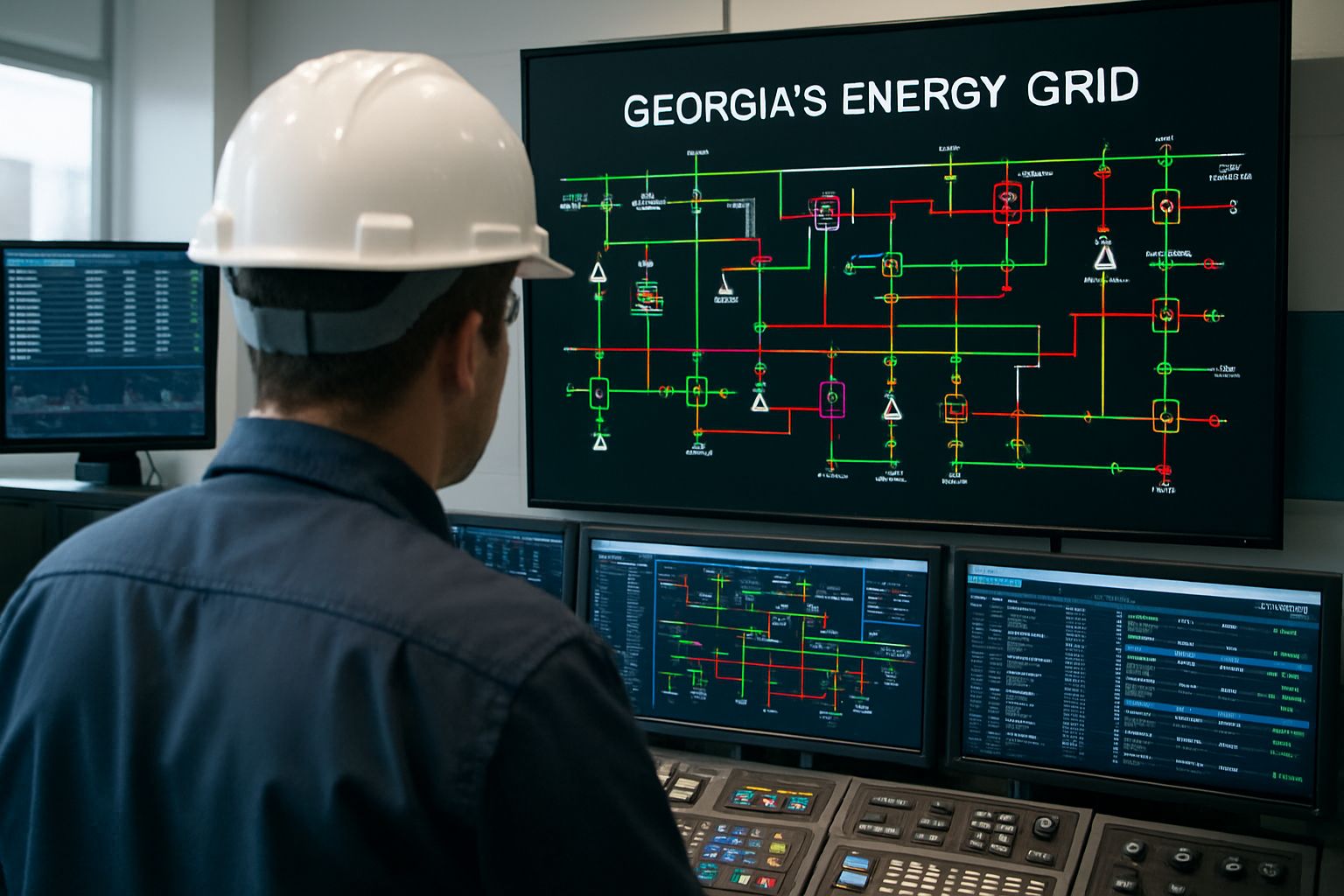
While building new plants, the company is deploying AI to optimize today’s Energy Grid. Additionally, drones now inspect transmission lines, cutting survey times by 40 percent. Urbint software predicts field hazards, reducing incident rates. Moreover, digital twins model grid behavior under volatile electricity demand scenarios.
Southern Company CEO Chris Womack emphasized, “GenAI must guide how we run the company.” Subsequently, Southern Nuclear adopted Copilot-style agents for maintenance tasks. Professionals can enhance their expertise with the AI+ Sales™ certification, aligning sales strategies with such advanced deployments.
These pilots illustrate potential efficiency gains. Nevertheless, broader decarbonization strategies remain contested.
Innovation improves reliability today. However, sustainable futures require clean resources.
Clean Energy Pathways
Renewable advocates urge faster solar, wind, and storage rollouts to modernize the Energy Grid. Furthermore, Form Energy’s 15 MW iron-air battery pilot will test multi-day storage. Consequently, longer storage windows could offset gas peaker plants.
Corporate buyers, organized through the Clean Energy Buyers Association, lobby for “customer-identified resources.” Moreover, this arrangement functions like a Roommate Mortgage for clean power: each party funds its share, limiting shared liability. In contrast, skeptics argue administrative complexity may delay urgent capacity.
PSC commissioners encouraged parties to refine the framework before the next rate case. Meanwhile, Georgia Power must balance reliability with decarbonization goals amid rising electricity demand.
Clean options could reshape supply choices. Nevertheless, stakeholder impacts remain pivotal.
These alternatives spotlight sustainable potential. Consequently, the focus turns to affected groups.
Implications For Stakeholders
Residential customers fear higher bills if forecasts miss. Furthermore, industrial users seek stable rates to plan expansions. Environmental groups push for rapid emissions cuts. Meanwhile, investors watch approval timelines because delays raise carrying costs.
Data-center operators crave near-term capacity and marketable green credentials. Additionally, the Utility needs regulator trust to secure financing. Therefore, each faction monitors contract enforcement, cost tracking, and technology performance.
Another public commenter compared shared grid investments to a Roommate Mortgage requiring transparent house rules. Consequently, PSC staff recommend publicly filed progress metrics.
Stakeholder views shape final outcomes. Moreover, credible reporting remains essential for accountability.
These perspectives illustrate complex trade-offs. However, collective action can align interests.
Ultimately, Georgia’s Energy Grid transformation intertwines AI ambition, fiscal prudence, and climate responsibility. Additionally, sustained oversight will determine whether promised benefits reach every customer.


